Cyprus proposes EU budget cut, setting up tough 2028-2034 talks
Cyprus put a 2% cut on the table for the EU’s 2028-2034 budget, forcing a clash over defense, farms and cohesion before talks even begin.
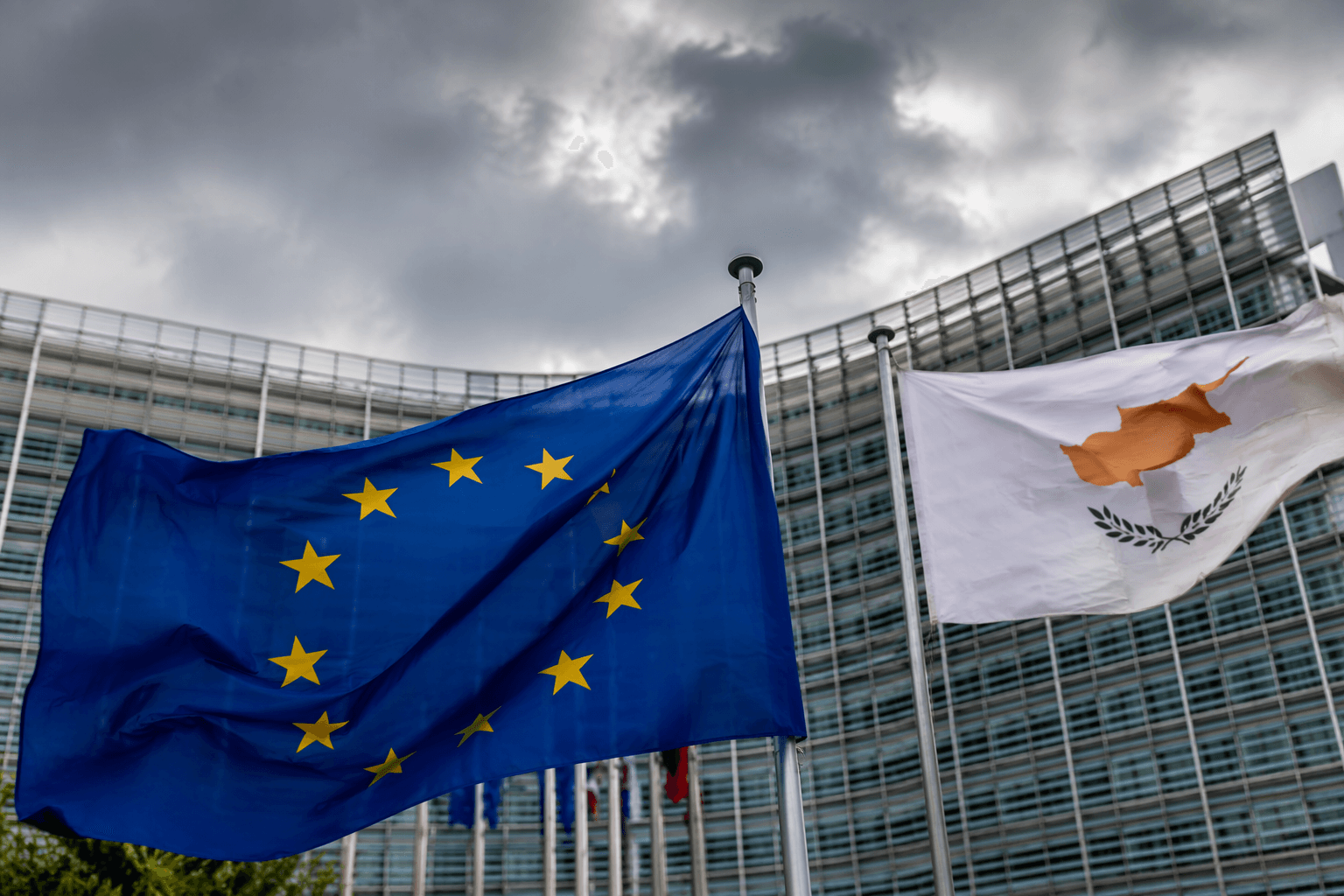
Cyprus opened the first formal bargaining round over the European Union’s next seven-year budget with a proposal to trim the package by 2%, a cut worth about €32.8 billion. The move lowered the opening figure from the European Commission’s near-€2 trillion plan and immediately exposed the central fight ahead: whether Brussels should put more money into security and competitiveness or keep protecting agriculture and regional support.
The Cypriot presidency’s negotiating box was designed as a starting point for the Council of the European Union after consultations with the bloc’s 27 governments. Marilena Raouna, Cyprus’s deputy minister for European affairs, cast the proposal as a compromise and said the presidency had to put the first numbers on the table while balancing countries that receive more from the budget than they contribute. Cyprus had already said in May that the multiannual financial framework was one of its top priorities and that it wanted to present a “reasonable and well-thought-out negotiating box” in June.
The draft pulled back on some of the Commission’s ambitions for defense and competitiveness, while allowing slightly more room for farmers and for efforts to narrow living-standard gaps across the bloc. That puts the budget squarely at the center of Europe’s broader strategic argument: how much to spend on military readiness, industrial policy and technology rivalry with China and the United States, and how much to preserve the traditional pillars of cohesion and the Common Agricultural Policy. The Commission has said the new framework would bring more flexibility, simpler programs, national and regional partnership plans, and ringfenced income support for farmers, including environmental measures, on-farm investment, support for young farmers and risk-management tools.

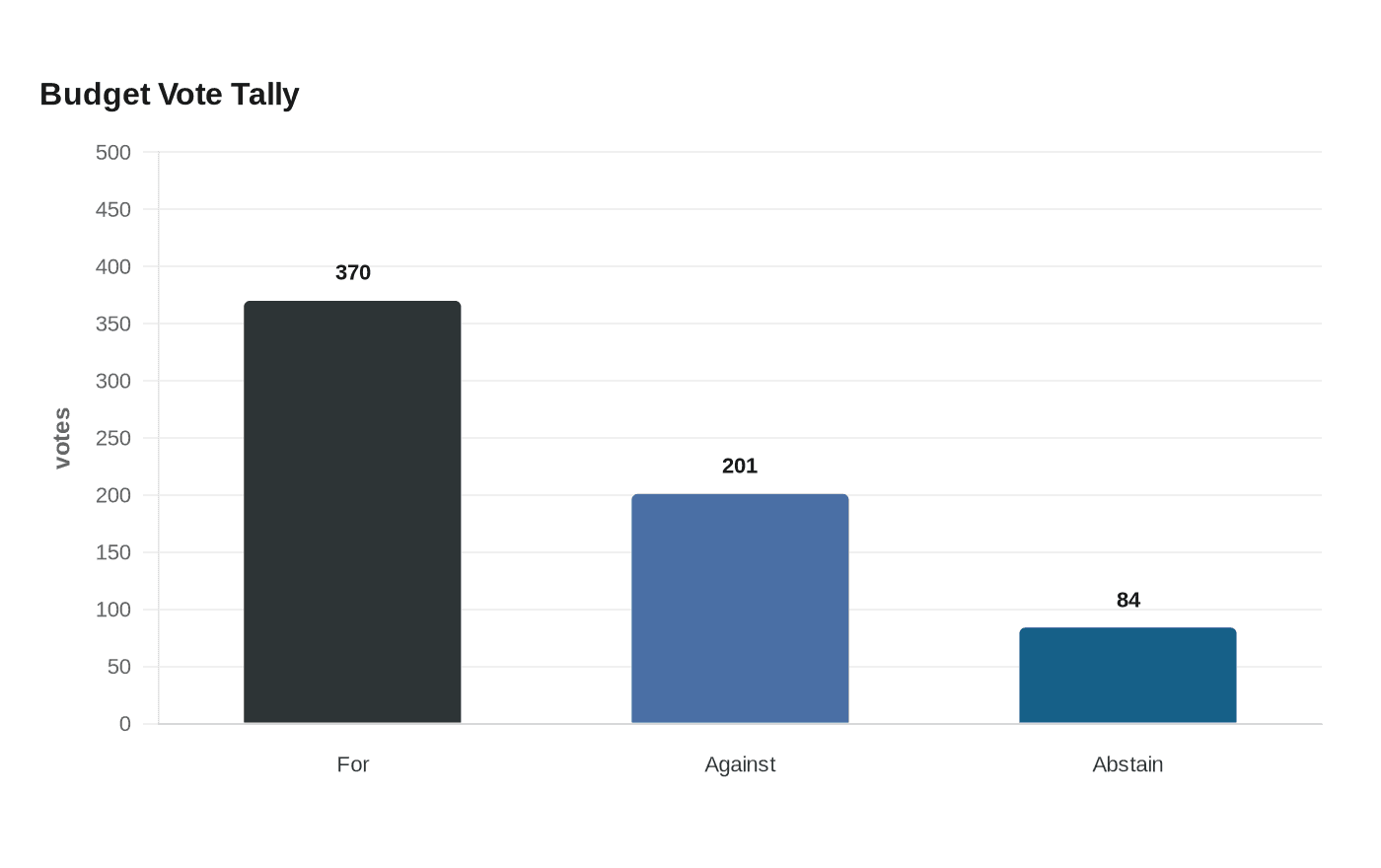
Resistance surfaced almost immediately. Dutch finance minister Eelco Heinen said the plan was unacceptable for the Netherlands, while European Parliament budget co-rapporteur Siegfried Muresan said the Council was sending the wrong signal and argued for a larger budget increase. The parliament had already set out its own stance on April 28, 2026, voting 370 to 201 with 84 abstentions for a mandate demanding a 10% larger budget than the Commission proposal, about €1.78 trillion in 2025 constant prices or €2.01 trillion in current prices.
The political map was clear before Cyprus moved. On May 26, 16 member states, including Italy, Spain, Poland and Hungary, signed a joint declaration pressing for more cohesion and agriculture funding. Fiscally conservative governments pushed in the opposite direction. Brussels now faces a race to settle its internal budget deal by December 2026, before France’s April 2027 elections add another layer of political risk. The Commission’s proposal had already placed nearly €166 billion in Covid-era debt repayments inside the headline figure, making the next phase less about accounting than about who in Europe will pay for security, who will protect the countryside, and who will be squeezed.
This article was produced by Prism’s automated news system from verified source data, official records, and press releases, then run through automated quality and moderation checks before publishing. The system is built and supervised by the people who set the standards it runs under. Read our full AI policy.
Know something we missed? Have a correction or additional information?
Submit a Tip