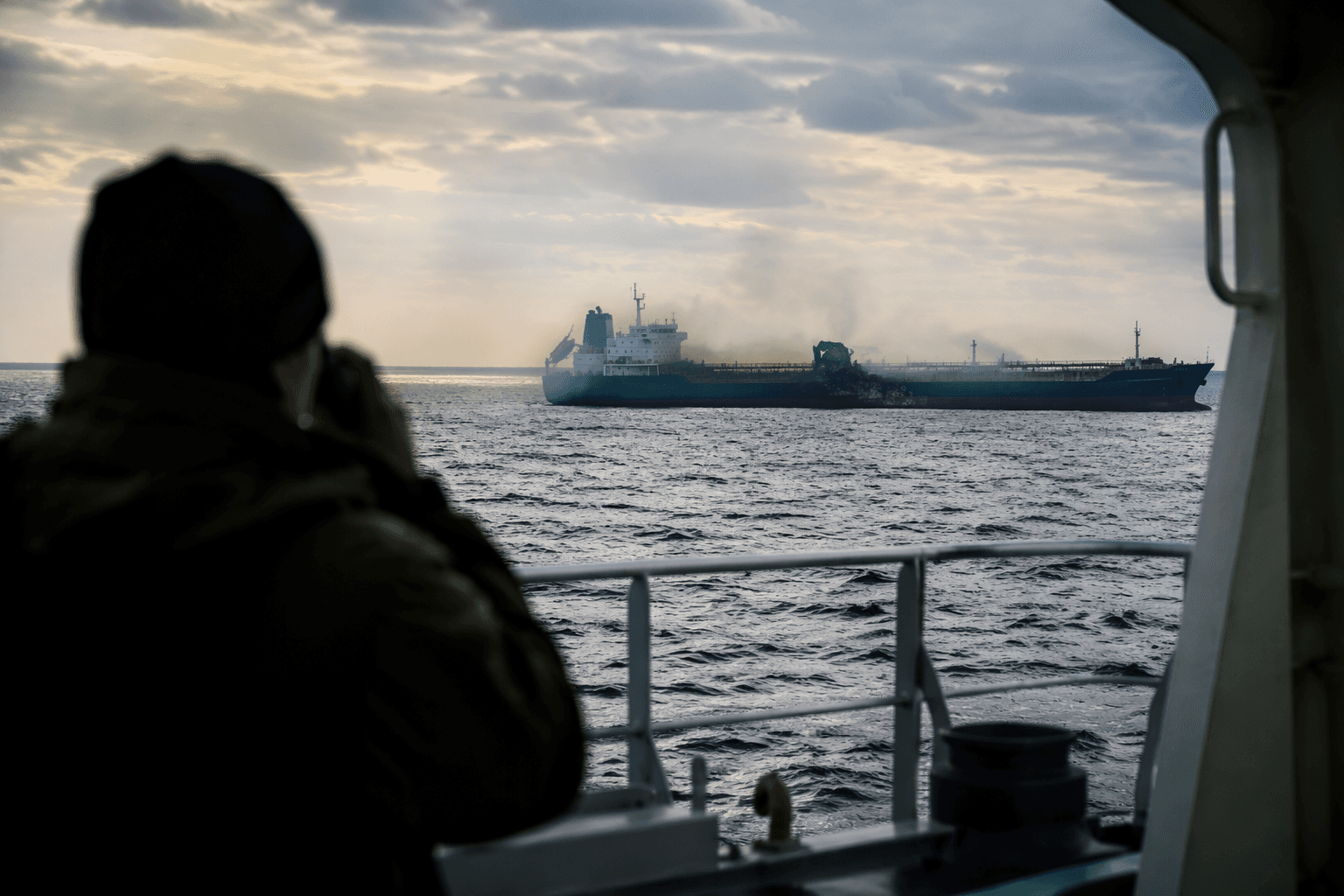
Trump administration blocks major fuel shipment to Cuba, citing lack of authorization
A Coral Gables trader planned Cuba’s biggest U.S. fuel cargo in decades, but the Trump administration said the shipment lacked approval.
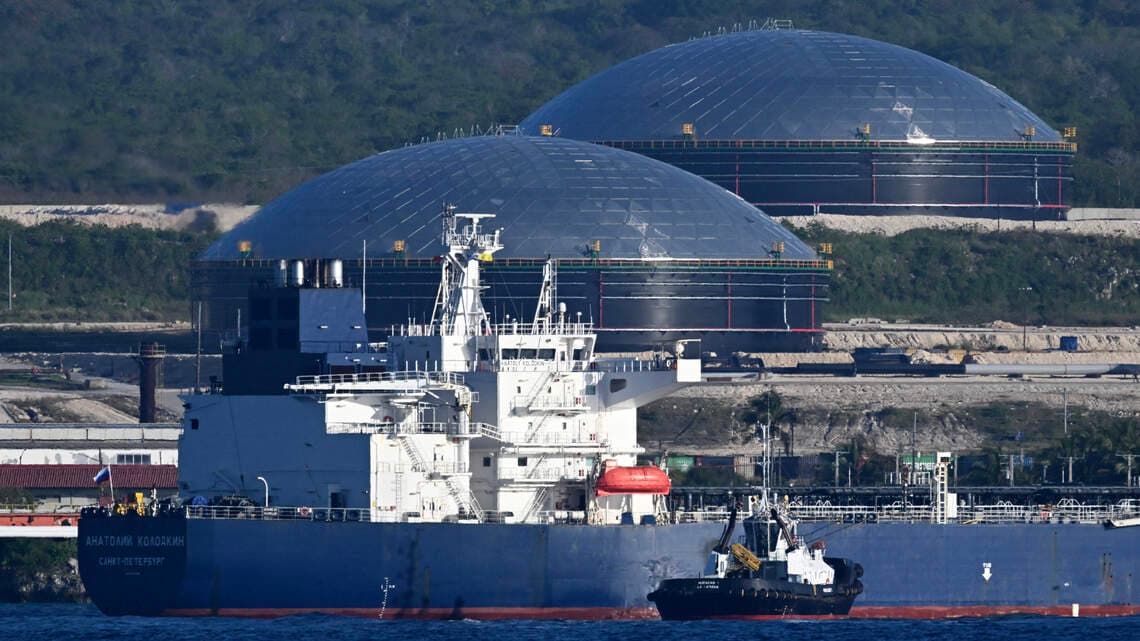
The Trump administration has moved to block a planned shipment of about 250,000 barrels of gasoline and diesel to Cuba, shutting down a deal that could have delivered the island its largest U.S. fuel cargo since the 1960s. The decision lands as Cuba faces rolling blackouts, transport breakdowns and a worsening shortage that has already pushed some residents to burn firewood and improvise through the energy crisis.
The company at the center of the plan, Vanguard Energy of Coral Gables, Florida, had been negotiating for months to move from small ISO tank deliveries to full tanker cargoes. Vanguard says the current ISO tanks carry about 6,900 gallons each, a costly and inefficient system that the company hoped to replace with shipments of more than 250,000 barrels every month or roughly every 40 days.
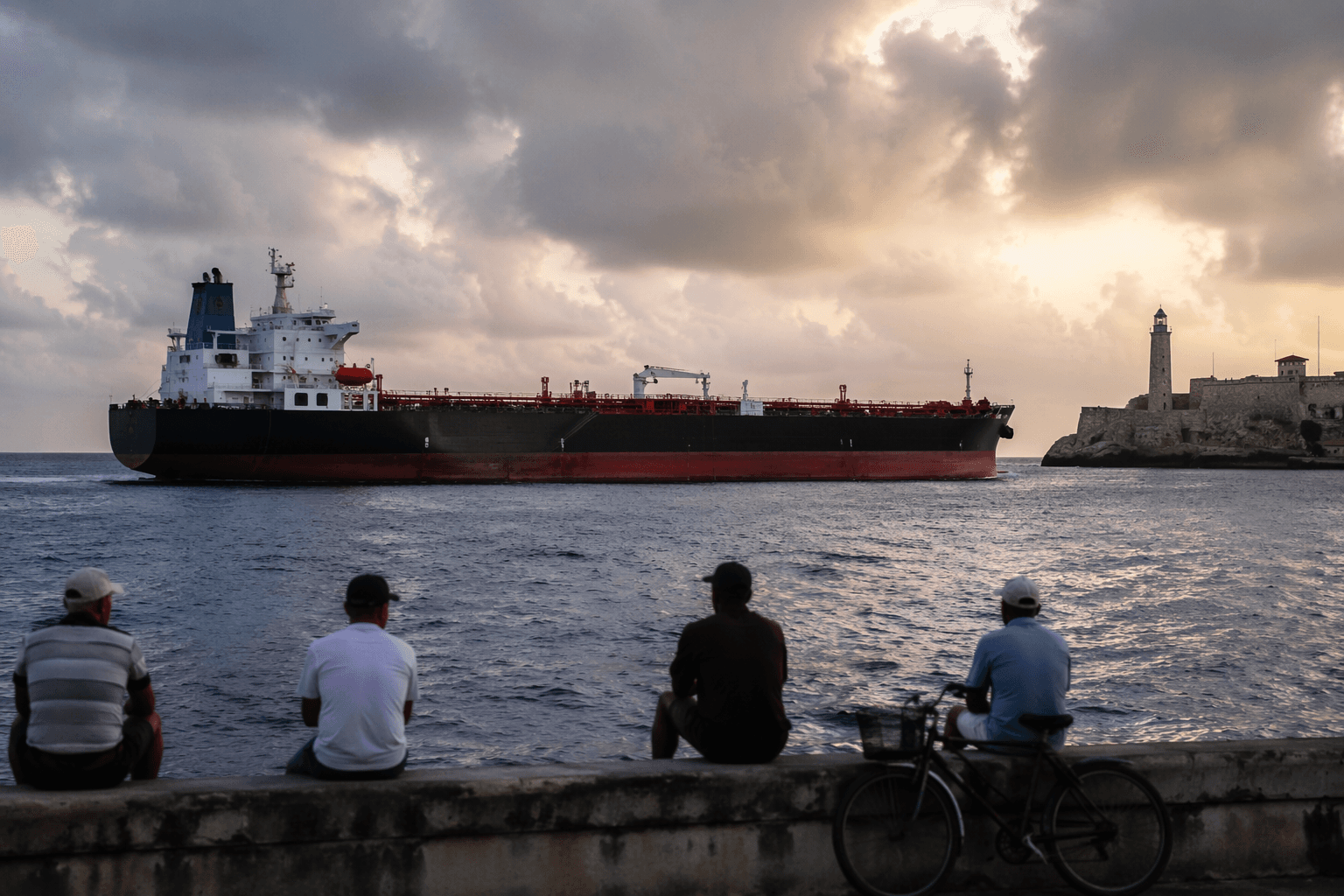
Under the proposed arrangement, the fuel would be stored in facilities owned by Cuba’s state oil company, CUPET, while Vanguard would keep title to the product. The fuel was intended for Cuba’s private sector and, in some accounts, vetted humanitarian and religious organizations, as well as the U.S. Embassy in Havana. Company president Matthew Klann has argued that the larger shipment would make the supply chain more practical and help open up a narrower channel for commercial fuel trade.
The deal also highlights how far Washington is prepared to tighten sanctions pressure even when energy shortages deepen humanitarian strain. The Trump administration authorized some private-sector oil exports to Cuba in February 2026 without requiring a specific license in certain cases, but U.S. officials now say Vanguard does not have the authorization needed for this transaction. On June 10, 2026, the United States separately sanctioned CUPET, with Secretary of State Marco Rubio accusing the state energy company of weaponizing fuel.
The shipment effort followed more than a dozen meetings with Cuban and U.S. officials, according to people involved in the arrangement, and one adviser, Matthew Aho of Akerman, said the larger cargoes could lower prices by increasing supply available to private businesses. But the broader environment has turned more restrictive: Reuters reported that Cuba’s energy crisis worsened after U.S. restrictions tightened in January 2026, and Venezuela, once a crucial supplier, was providing Cuba with about 26,500 barrels per day in 2025, roughly 24% of daily consumption.
The United Nations warned in April 2026 that Cuba faced a worsening humanitarian crisis tied to the energy emergency and the lingering devastation from Hurricane Melissa. If the Vanguard shipment stays blocked, it will signal that sanctions compliance remains the overriding concern, even as Cuba’s fuel system buckles under shortages that now reach deep into everyday life.
This article was produced by Prism’s automated news system from verified source data, official records, and press releases, then run through automated quality and moderation checks before publishing. The system is built and supervised by the people who set the standards it runs under. Read our full AI policy.
Did this article answer your question?