Chad begins process to withdraw from International Criminal Court
Chad launched its ICC exit, but the one-year clock means the court can still hear alleged crimes from before withdrawal takes effect.
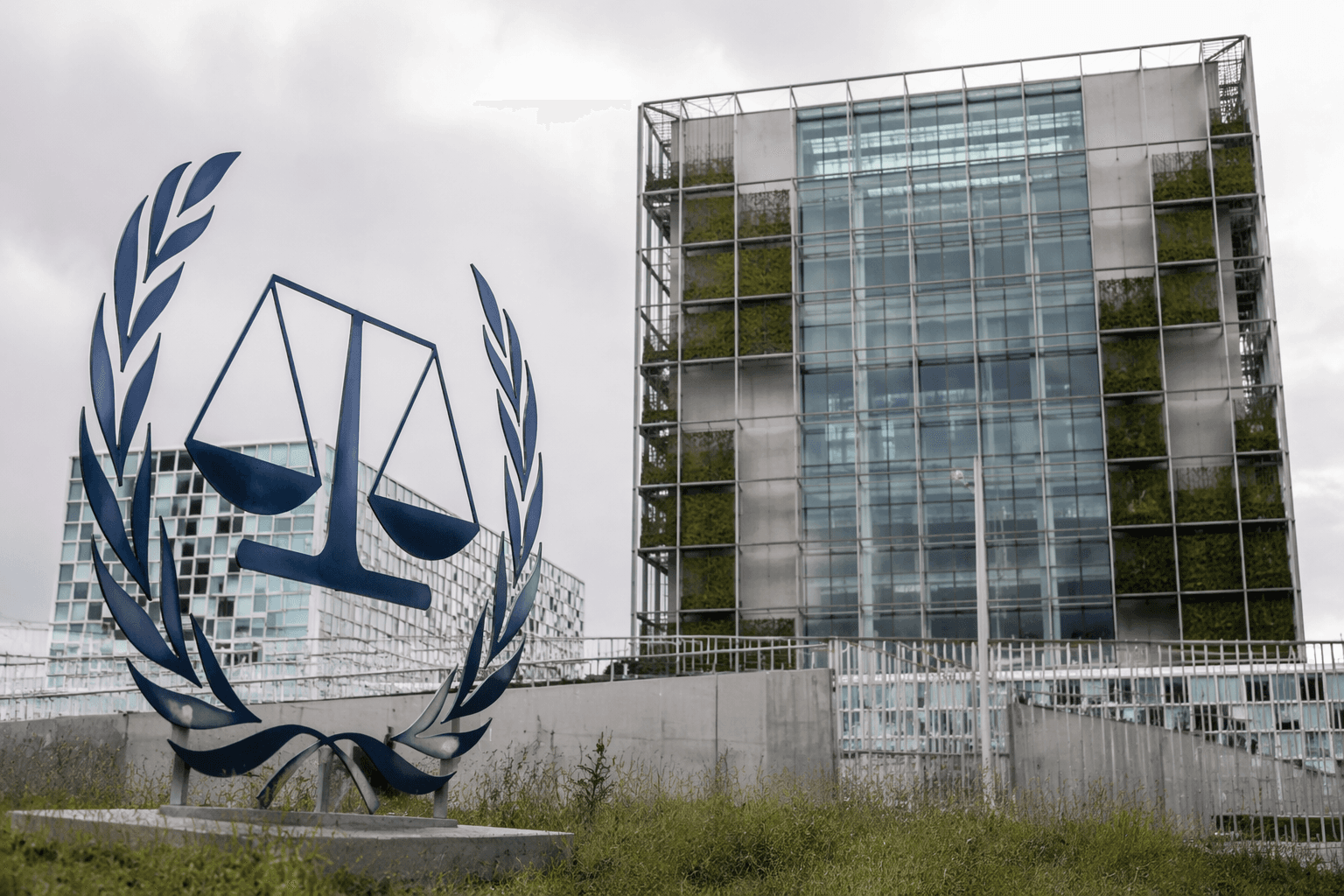
Chad submitted a letter to the United Nations and began the process of withdrawing from the International Criminal Court, accusing the tribunal of ineffectiveness and bias against African countries. The move placed Chad alongside Burkina Faso, Mali and Niger, which had already started to break with the Hague-based court, and made it the fifth country recently to start the exit process.
The International Criminal Court is a permanent, treaty-based court in The Hague created to prosecute genocide, war crimes, crimes against humanity and aggression when national courts cannot or will not act. The court says it is independent and not part of the United Nations system. Its defenders argue that it has remained one of the few places where victims of mass abuses can seek accountability when domestic justice systems are too weak or too politicized to deliver it.

Under article 127 of the Rome Statute, withdrawal takes effect one year after the United Nations secretary-general receives notice. The court’s own materials on the Philippines show how that rule works in practice: the Philippines’ withdrawal took effect on 17 March 2019, one year after its notification, and the court said its jurisdiction still covered alleged crimes committed there between 1 November 2011 and 16 March 2019. Chad’s decision does not erase possible responsibility for alleged crimes committed while it was still a state party.

The practical consequences go beyond symbolism. A withdrawal can make cooperation harder on arrests, evidence and witness protection, the tools the court depends on when suspects, documents or witnesses are beyond its immediate reach. It also sharpens the political break with a court that African critics have long described as selective, slow and detached from local realities, even though many of its early investigations were triggered by African governments or by the United Nations Security Council. For victims, the change would not close the door on past cases, but it could make the path to accountability longer and more dependent on states willing to keep working with The Hague.
This article was produced by Prism’s automated news system from verified source data, official records, and press releases, then run through automated quality and moderation checks before publishing. The system is built and supervised by the people who set the standards it runs under. Read our full AI policy.
Did this article answer your question?