Bosnian authorities investigate desecration and fire damage at Medjugorje shrine
Bosnian police are probing black paint, offensive messages and fire damage at Medjugorje’s shrine, where millions of pilgrims have long sought the Virgin Mary.
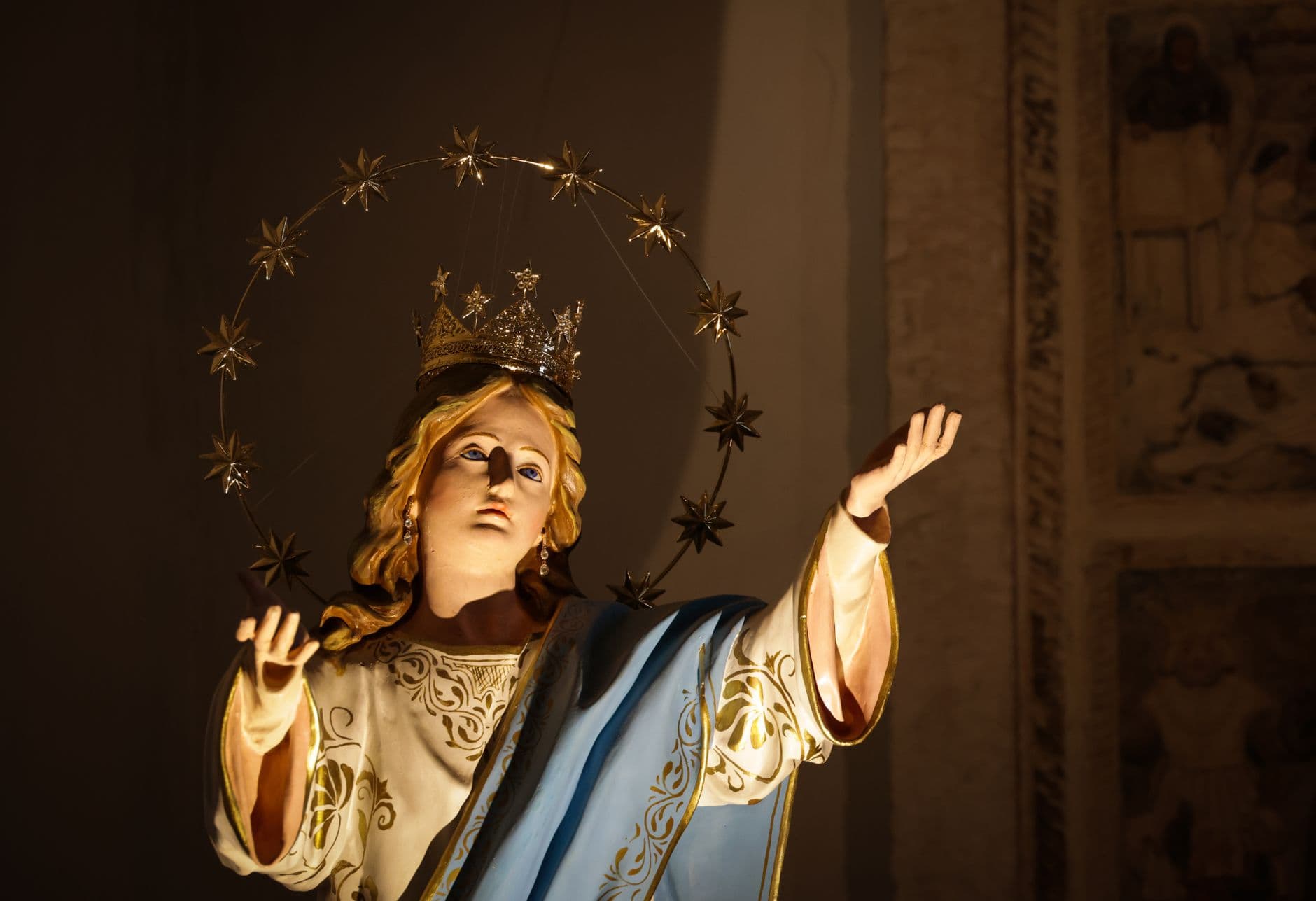
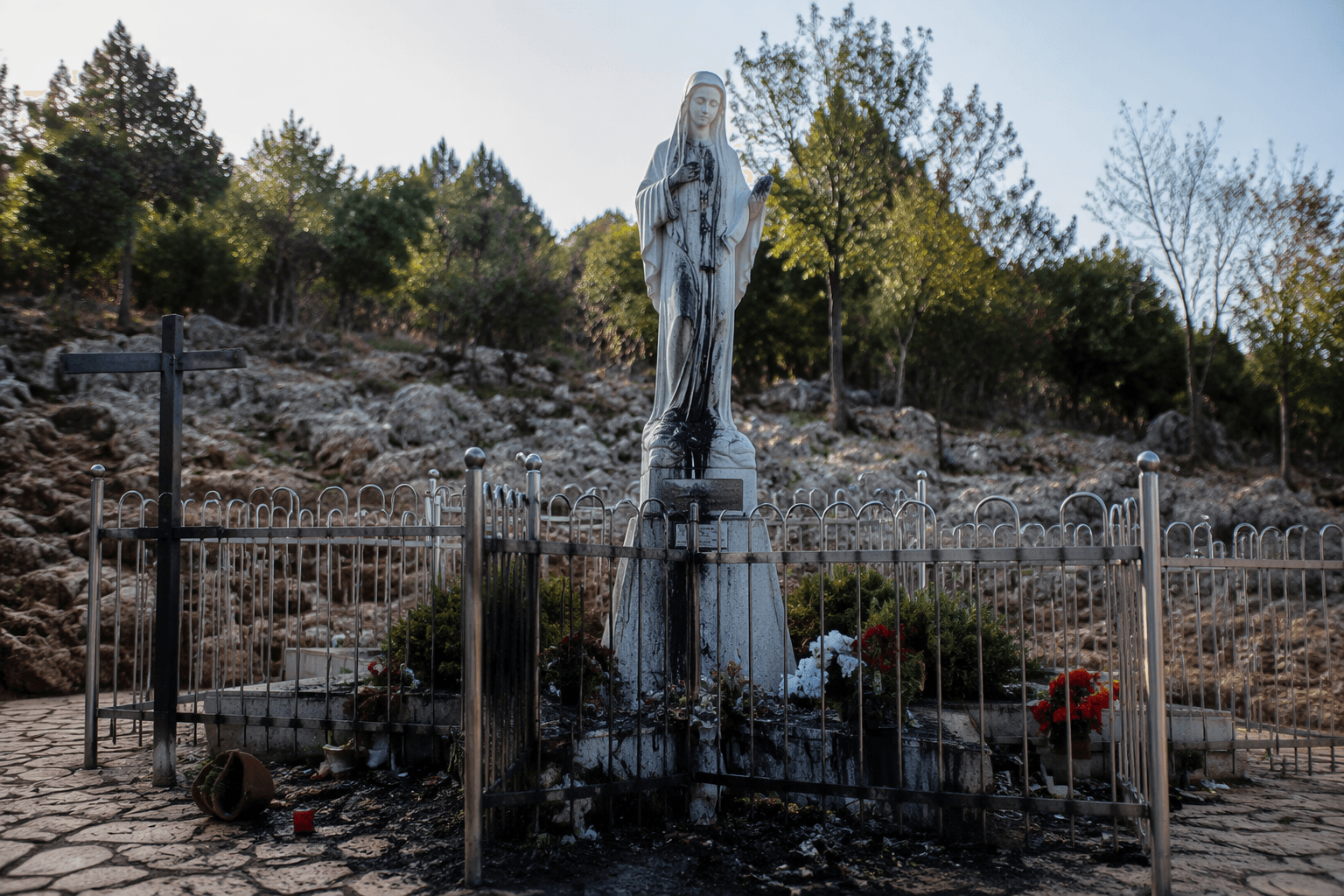
Bosnian authorities were investigating desecration and fire damage at the Medjugorje shrine after an unknown perpetrator blackened a Virgin Mary statue and set fire to the outdoor altar of St. James Church. The damage struck one of the Balkans’ best-known Roman Catholic pilgrimage sites, a place that draws visitors from Bosnia-Herzegovina and far beyond.
The vandalism was reported on Apparition Hill and on the grounds of the Church of St. James, where volunteers were already cleaning the statue as a white sheet covered it. Related coverage said the defacement included black paint and offensive messages, while the fire was set overnight at the outdoor altar. HRT identified the perpetrator as unknown.
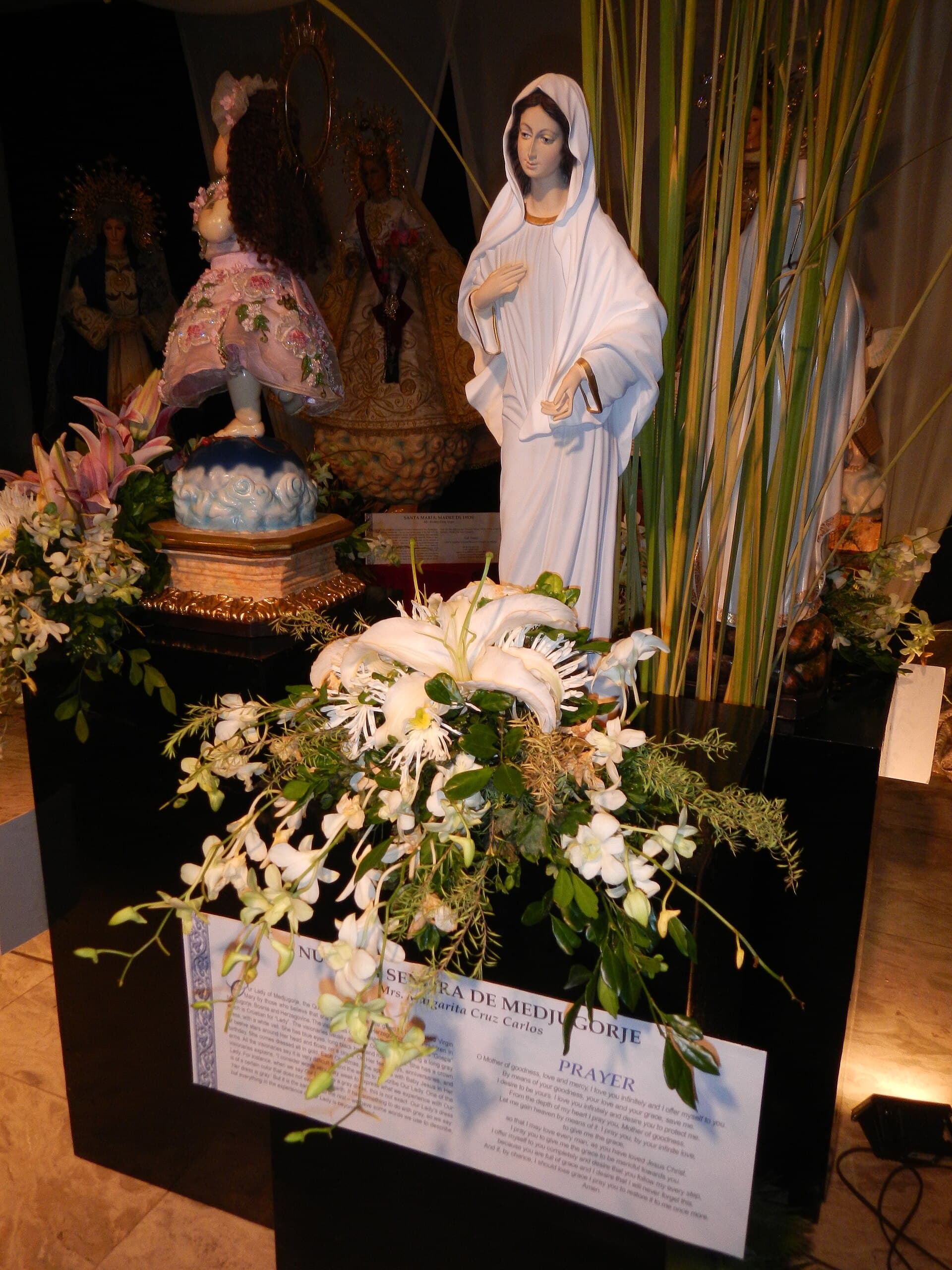
Medjugorje’s importance reaches well beyond the village itself. For decades it has attracted believers, tourists and church observers who travel to southern Bosnia-Herzegovina because of reported apparitions of the Virgin Mary. In September 2024, the Vatican gave the site a cautious nihil obstat, allowing continued devotion without ruling that the apparitions were supernatural, a move that reinforced Medjugorje’s standing for pilgrims while keeping the Church’s doctrinal position careful and limited.
That backdrop makes the attack feel larger than a local criminal case. Investigators must still determine whether the damage was deliberate, accidental or part of a broader pattern of vandalism, but the choice of target has already raised concerns about the security of sacred places. In a country still shaped by the trauma of the 1990s Balkan wars and by persistent ethnic and religious tensions, a desecration at a major shrine can quickly take on political and communal weight.
The timing also sharpened the impact. The incident came just before Medjugorje’s annual Mladifest youth festival, one of the shrine’s most prominent gatherings. Any perception that the area is vulnerable could affect pilgrimage traffic, at least in the short term, and that would ripple through the local economy, where hotels, restaurants and religious services depend heavily on visitors. Even without a confirmed motive, damage to a site central to Catholic devotion can unsettle pilgrims and parishioners who see the shrine as both a spiritual destination and a symbol of protection.
For Bosnia’s authorities, the case now sits at the intersection of policing, heritage protection and religious sensitivity. The answer to whether this was an isolated act or part of a wider threat to sacred sites will shape not only the investigation in Medjugorje, but also how securely the country can safeguard places that carry meaning far beyond their borders.
This article was produced by Prism’s automated news system from verified source data, official records, and press releases, then run through automated quality and moderation checks before publishing. The system is built and supervised by the people who set the standards it runs under. Read our full AI policy.
Did this article answer your question?