Nigerian court convicts 11 Indian sailors in cocaine smuggling case
A Lagos court convicted 11 Indian sailors after 31.5 kilograms of cocaine were found hidden aboard the MV Aruna Hulya.
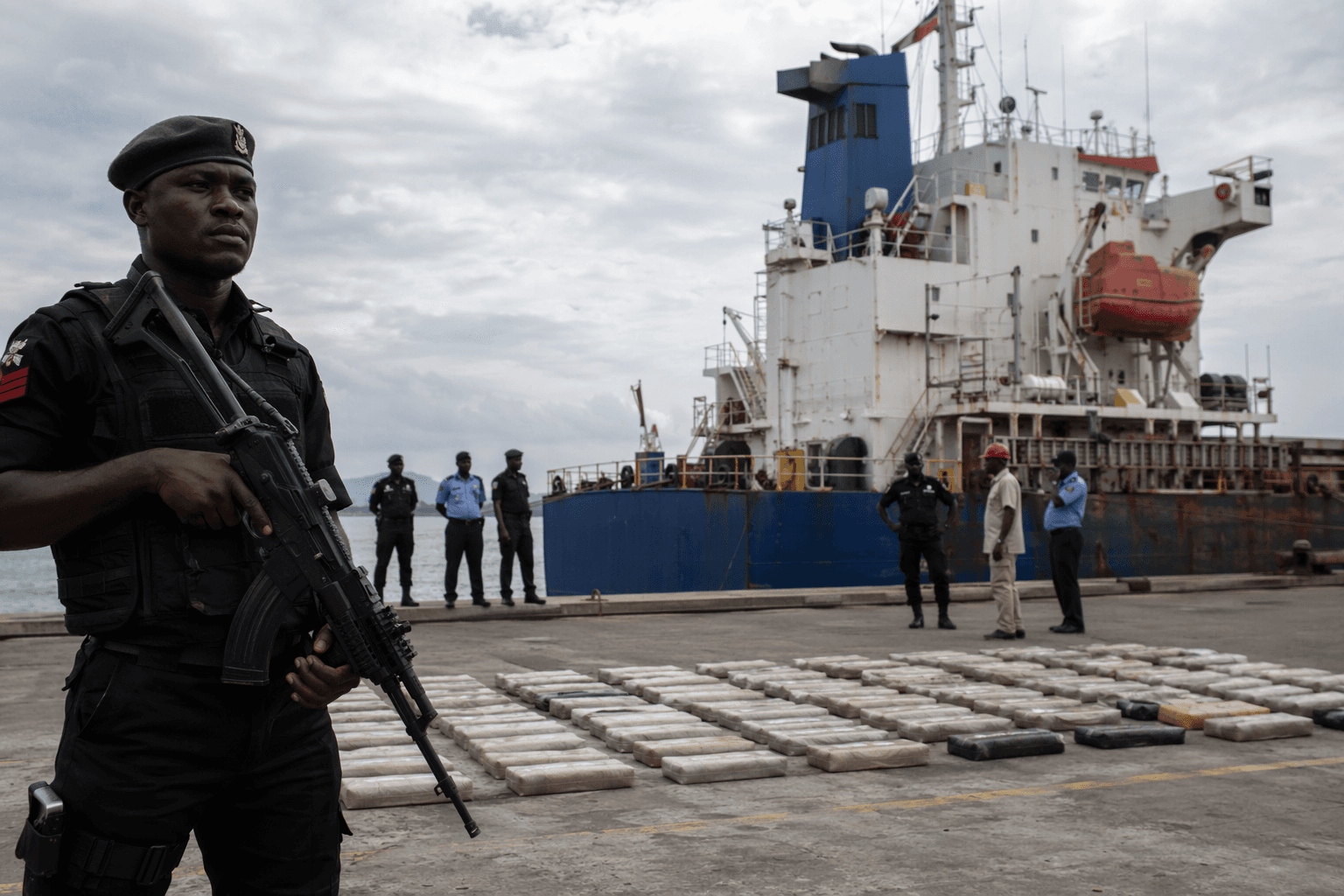
A Lagos court convicted 11 Indian sailors and the merchant vessel MV Aruna Hulya after 31.5 kilograms of cocaine were found hidden aboard the ship at Apapa, in a case that exposed how commercial shipping lanes can be turned into narcotics corridors. The ruling brought combined penalties of about $6 million and sent a sharp warning through one of West Africa’s busiest port systems.
The Federal High Court in Lagos found the crew guilty after the drugs were discovered on January 2, 2026, at the GDNL terminal in Apapa. The National Drug Law Enforcement Agency said the cocaine had been concealed in a storage compartment, with other reporting identifying the hiding place as hatch 3. The vessel had sailed from the Marshall Islands before arriving in Lagos, and the captain was identified as Sharma Shashi Bhushan.
Justice Joseph Chukwujekwu Aneke imposed a $5.3 million restitution order on the ship itself, alongside smaller fines for the crew. Some reporting said each crew member was ordered to pay N100,000, with senior officers facing higher penalties than other defendants. The court also made clear that if the vessel’s owners do not pay, the ship can be auctioned off, turning the hull itself into a target of enforcement.
The case reached beyond the fate of 11 foreign sailors. It showed how West African trade routes, especially the Lagos port complex, remain attractive to traffickers moving cocaine toward Europe and other destinations. The United Nations Office on Drugs and Crime has mapped Nigeria and neighboring states into broader South America-West Africa-Europe trafficking routes, underscoring why maritime checkpoints in Apapa and Tincan matter far beyond Nigeria’s shoreline.
NDLEA chairman Buba Marwa said the judgment sent a strong signal to international trafficking networks and that Nigeria was no longer a safe corridor for cocaine or other illicit substances. That message has become more urgent as the agency tightens pressure at major commercial entry points. In November 2025, NDLEA said it was working with the United States Drug Enforcement Administration and the United Kingdom National Crime Agency over a 1,000-kilogram cocaine seizure at Lagos’ Tincan Port, a haul valued at about $235 million.
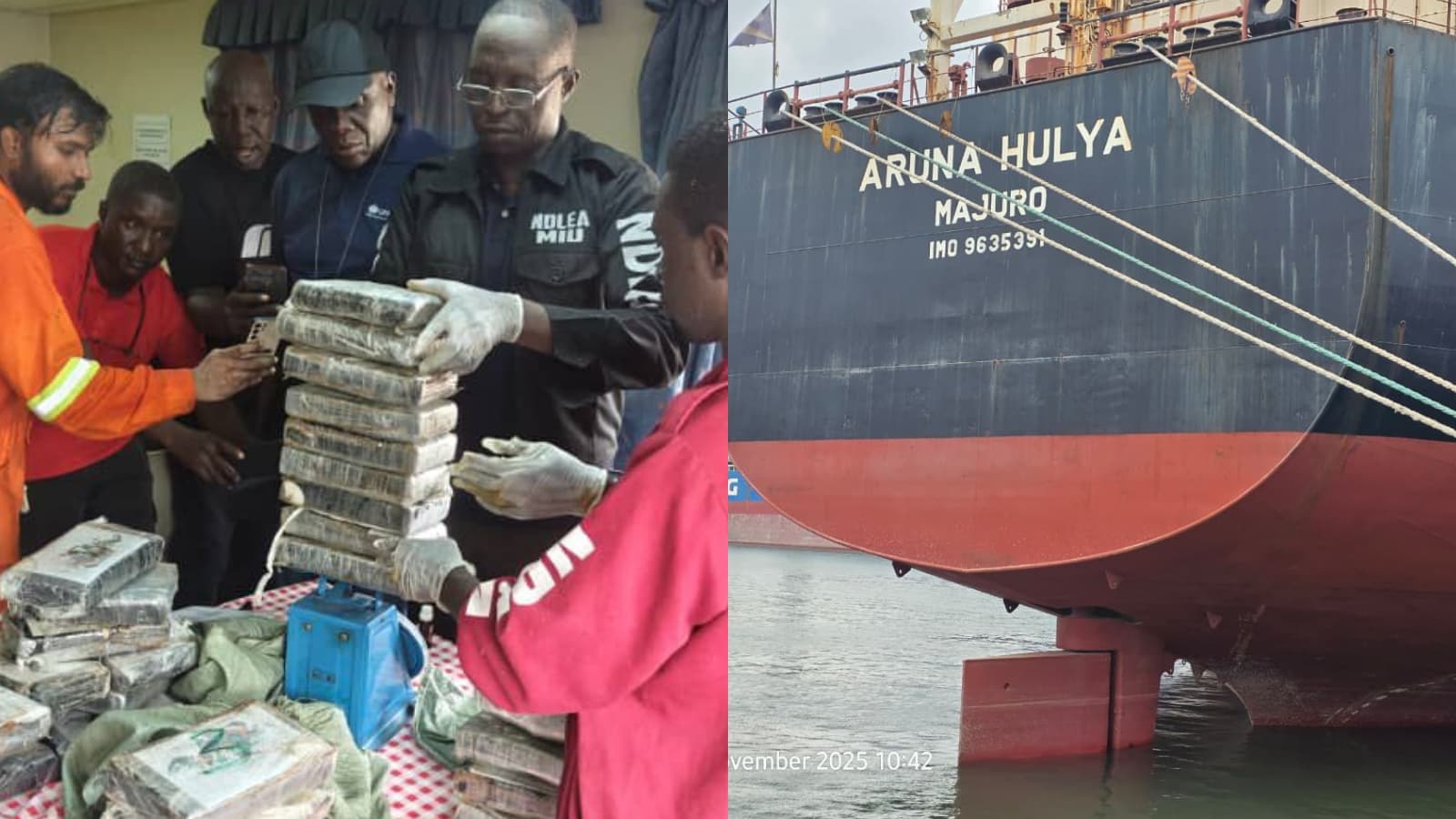
For maritime crews, the case highlights a harsh reality: sailors can be both central actors in trafficking schemes and expendable transport links when criminal networks use legitimate trade to mask contraband. For port communities and regulators, it shows that enforcement now has to move on two fronts at once, against the cargo and against the systems that let it slip through.
This article was produced by Prism’s automated news system from verified source data, official records, and press releases, then run through automated quality and moderation checks before publishing. The system is built and supervised by the people who set the standards it runs under. Read our full AI policy.
Did this article answer your question?