G7 summit in France focuses on Middle East, Ukraine and Trump
France’s G7 summit will be judged less by communiqués than by whether Emmanuel Macron can keep Donald Trump in the room while wars in Ukraine and the Middle East dominate the table.
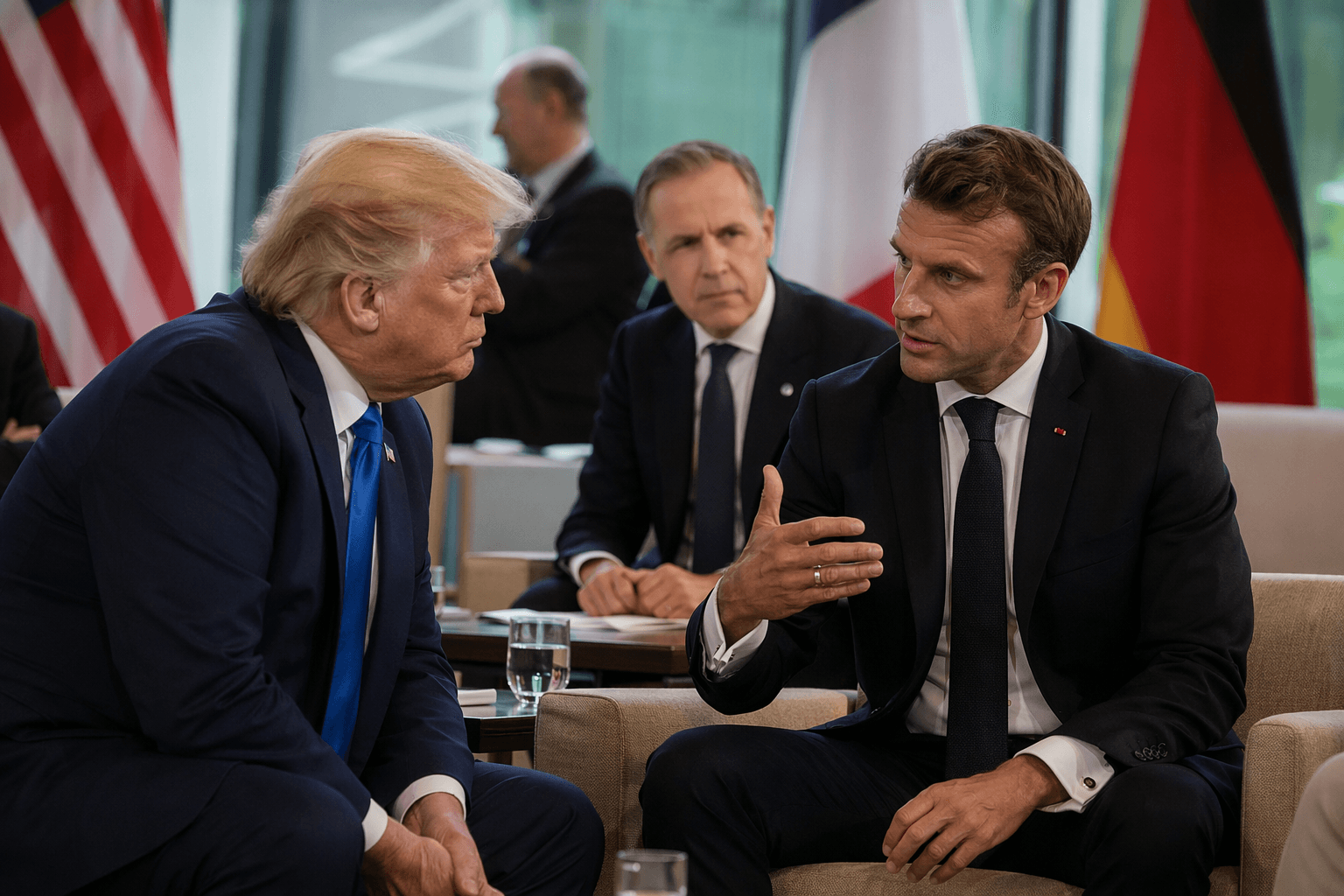
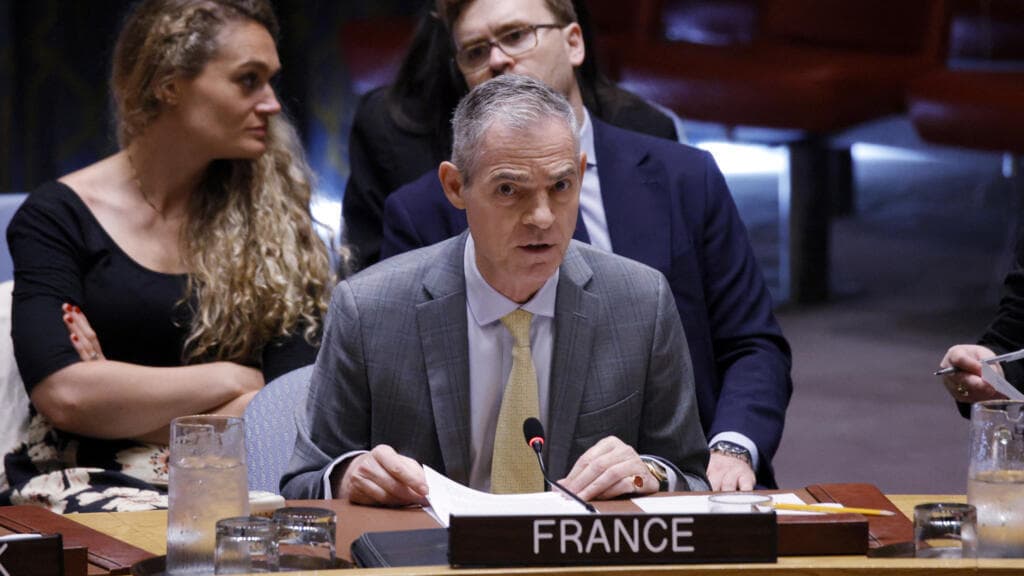
France will use next week’s G7 summit in Évian-les-Bains as a stress test for Western unity, with the wars in the Middle East and Ukraine set to dominate the meeting and Donald Trump’s return forcing Emmanuel Macron to manage both policy and personality. The June 15 to 17 gathering on the shore of Lake Geneva will bring together the leaders of France, Britain, Canada, Germany, Italy, Japan and the United States, along with the European Union, in a setting that carries both symbolism and risk.
Évian will host a major G7 or G8 summit for the second time, after the 2003 gathering, and France has held the G7 presidency since January 1, 2026. French officials have already adjusted the schedule around Trump’s preferences, a sign of how much this year’s summit is being shaped by the president’s habits as much as by the agenda. The awkward backdrop is plain: Trump left the 2025 G7 in Canada early as the Middle East crisis escalated, and recent hosts have lowered expectations to the most basic standard of success, keeping him in the room through the end.
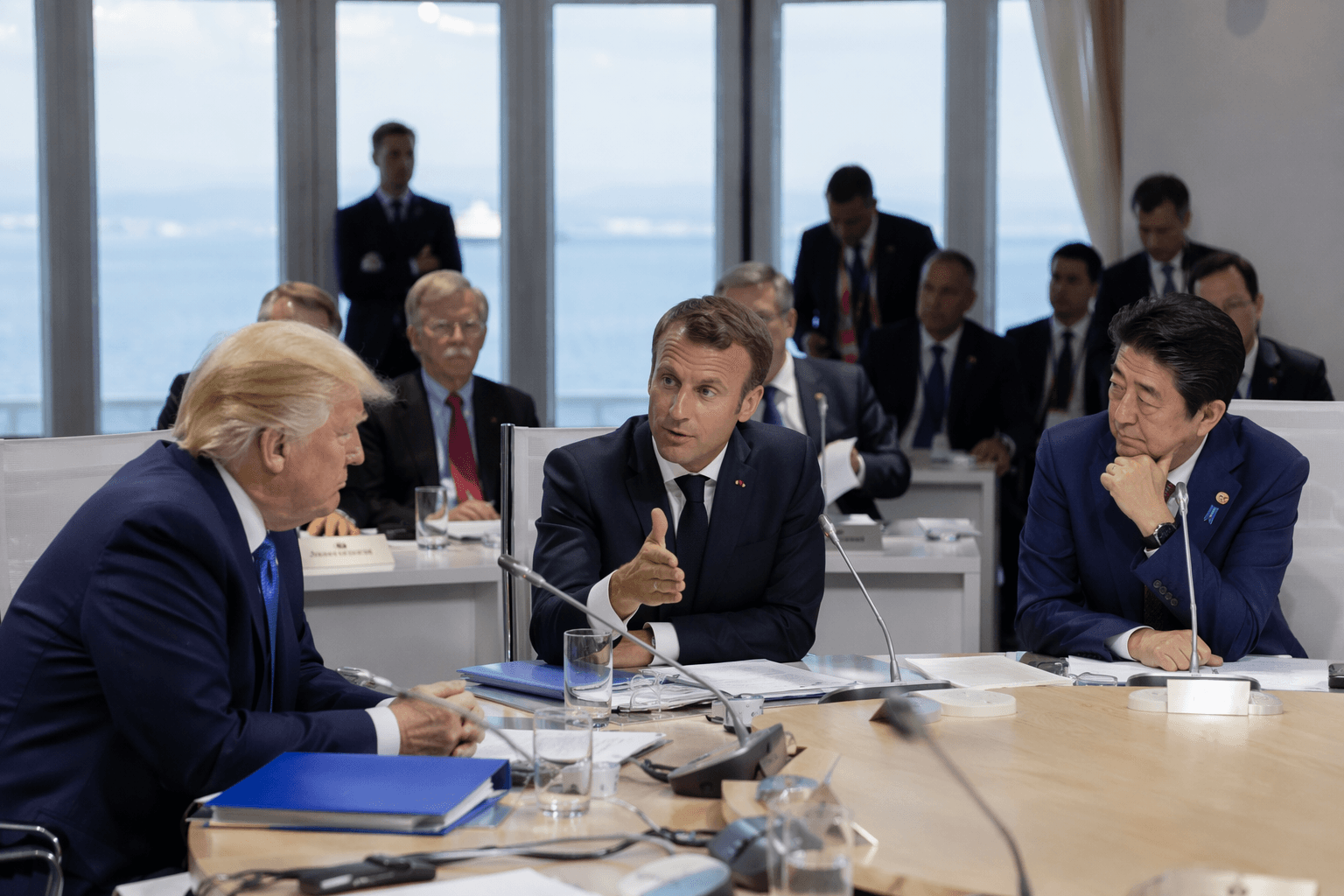
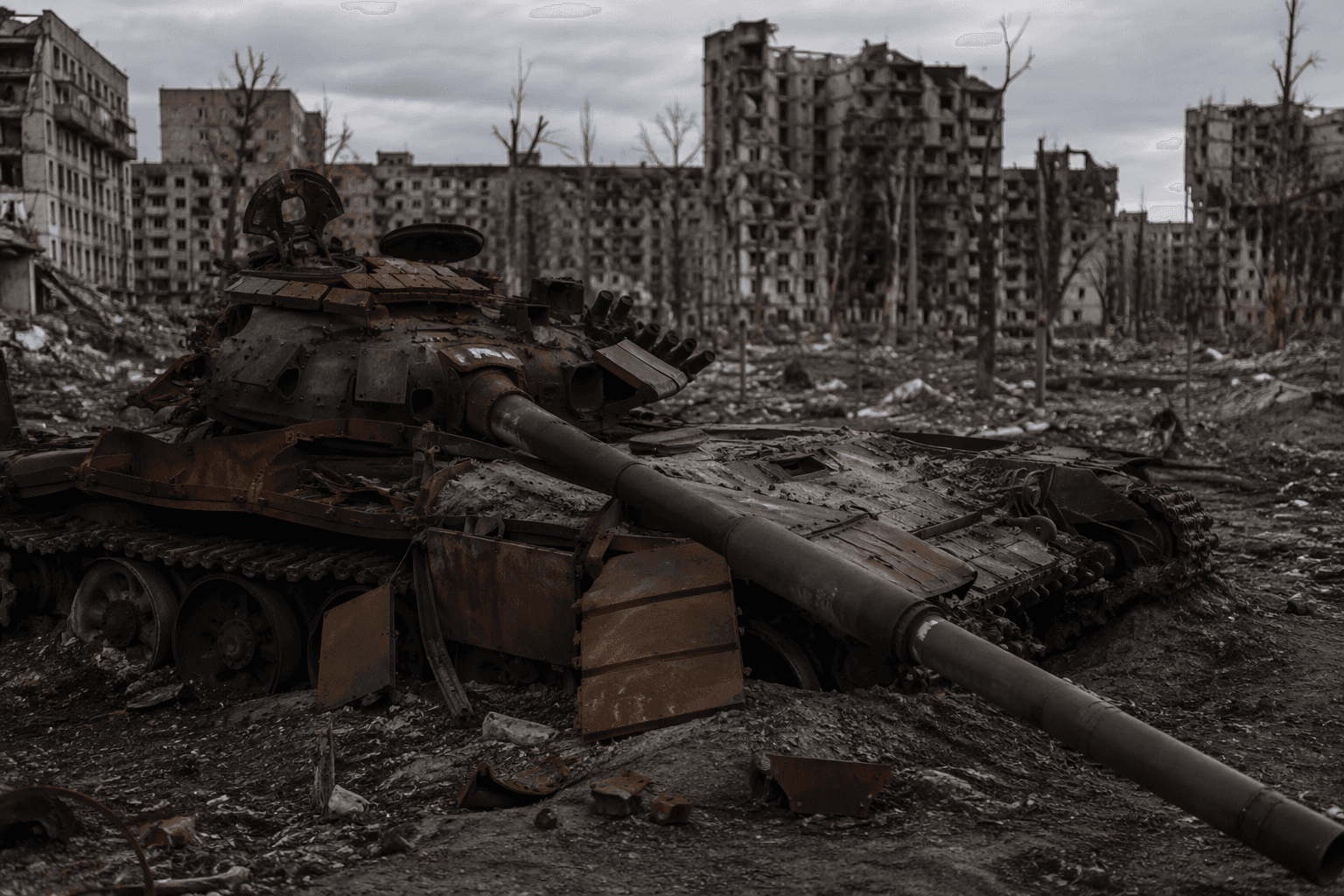
The list of substantive disputes is long. Leaders are expected to confront the war in the Middle East, Russia’s war in Ukraine, global economic imbalances and the search for critical minerals outside China, but no major breakthrough is anticipated. Tensions over the Middle East are especially sharp because a fragile ceasefire between the United States and Iran is under strain, while an interim deal remains difficult because of disputes over Iran’s nuclear program. Trump wants Iran to reopen the Strait of Hormuz, while Tehran is demanding an end to the blockade on Iranian ports, the release of frozen Iranian assets and an end to Israeli attacks on Hezbollah in Lebanon.
France has widened the diplomatic circle to keep the crisis from overwhelming the summit. Saudi Arabia, the United Arab Emirates, Qatar and Egypt have been invited to sessions tied to Middle East diplomacy, and Ukrainian President Volodymyr Zelenskyy is also expected to attend as Europeans seek a reset on support for Ukraine. Josh Lipsky of the Atlantic Council said Macron has gone out of his way to design an agenda that appeals to the issues Trump wants to emphasize, underscoring how carefully the summit has been calibrated to avoid a rupture.
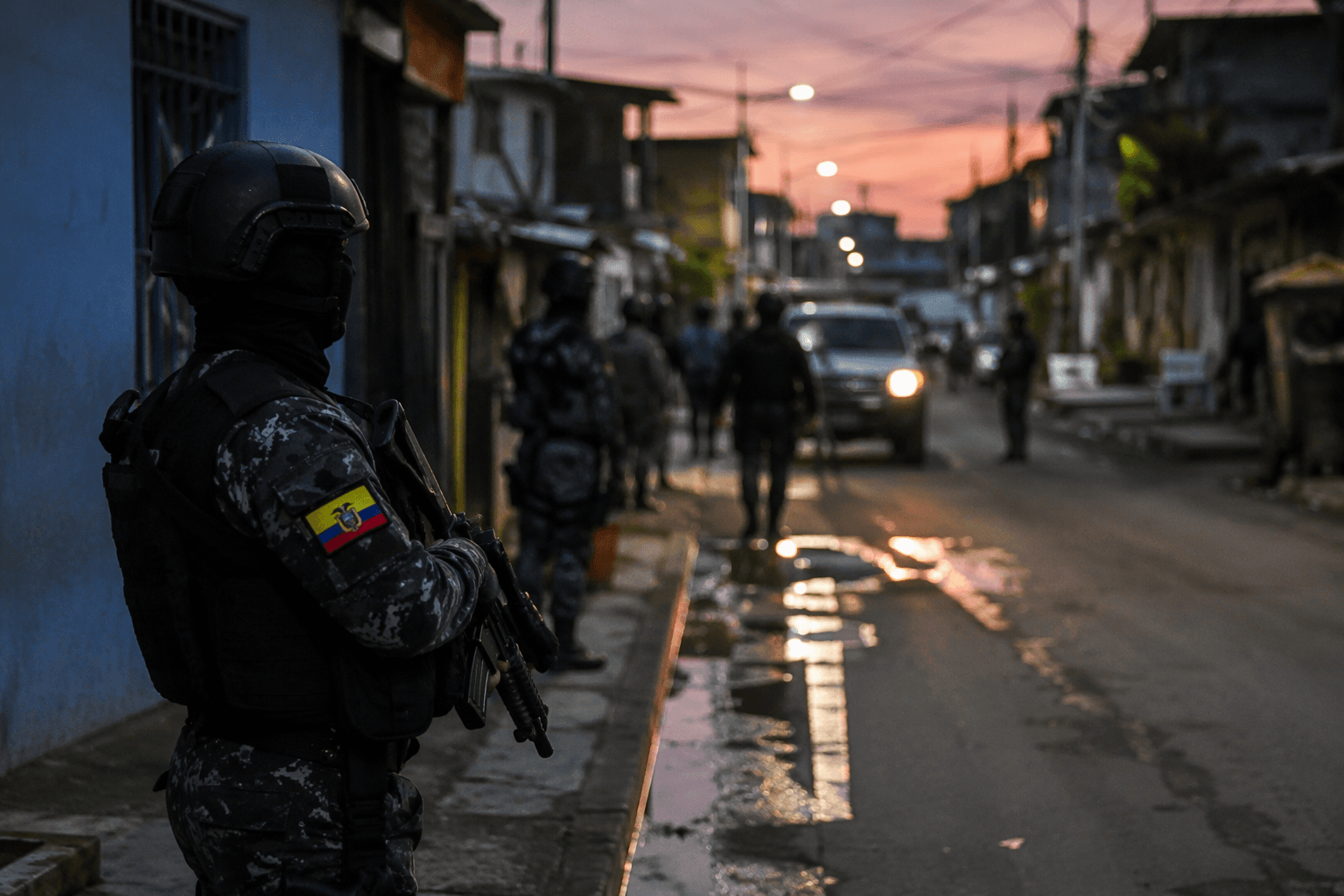
Security planning reflects the same pressure. France’s Interior Ministry has organized its G7 priorities around organized crime, terrorism and violent extremism, and migrant smuggling, with child protection treated as a cross-cutting issue. Switzerland is coordinating with Geneva, Vaud and Valais to secure summit arrivals and motorcades from Geneva to Évian. For Macron, the question is whether this summit can produce real unity on two wars and an unsettled world economy, or only a tightly managed display of alliance discipline.
This article was produced by Prism’s automated news system from verified source data, official records, and press releases, then run through automated quality and moderation checks before publishing. The system is built and supervised by the people who set the standards it runs under. Read our full AI policy.
Did this article answer your question?