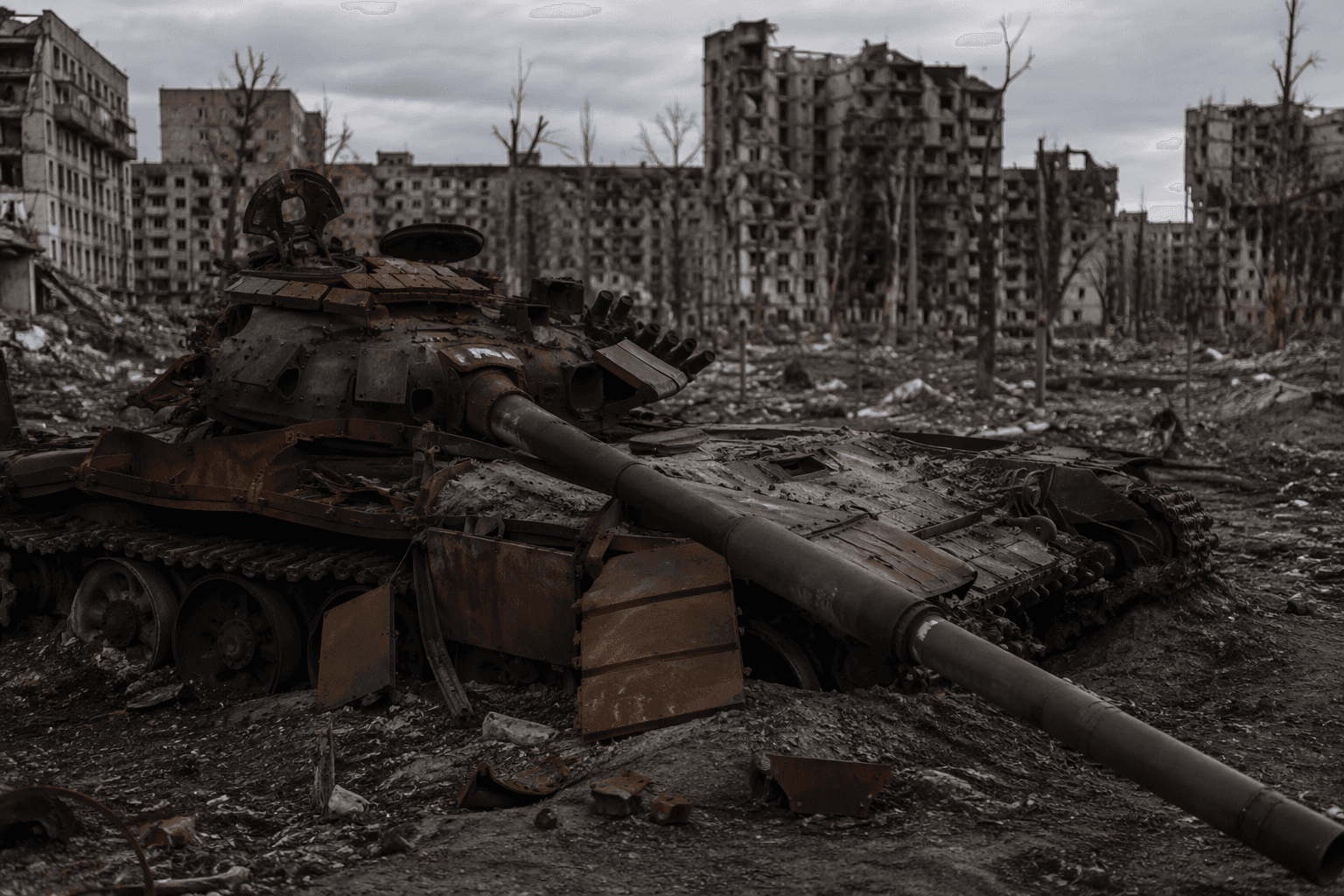
Ecuador police battle gangs, drugs and infiltration in Durán
Masked police in Durán say even colleagues cannot be trusted as gangs push into the force and local institutions. The port city shows how narco-power weakens the state.
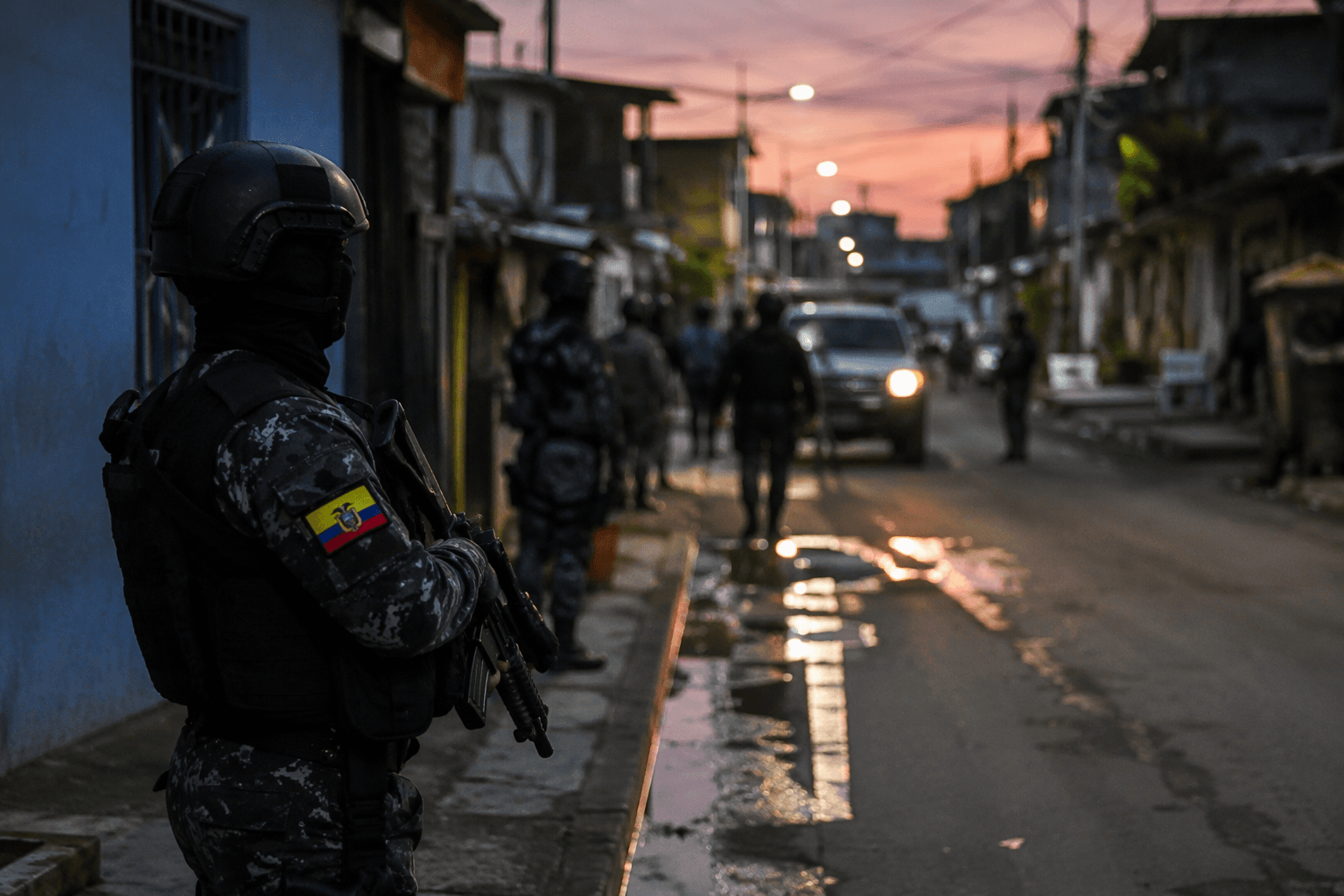
Masked Ecuadoran police officers patrolled Durán with helmets, balaclavas and dark sunglasses as Police Captain Jean Carlos Bustamante warned that even colleagues could not be trusted. In the city, which is riddled with drugs and rival gangs, officers have turned routine policing into a covert operation because the threat is not only gunfire but infiltration.
Orla Guerin spoke with a gang leader about violence, drugs and the way criminal groups reach into the police, underscoring how the struggle in Durán is now about control of institutions as much as control of streets. Bustamante’s warning captures the scale of the problem: if corruption reaches inside the force, every stop, arrest and raid becomes a test of loyalty.
Ecuador’s security crisis has deepened as trafficking networks use the country’s Pacific ports to move cocaine from Colombia and Peru toward Europe and North America. The country’s official currency is the U.S. dollar, adopted in 2001, and Ecuador’s dollarized economy, together with its strategic coastline and weak institutions, has made it attractive to criminal groups. Rival gangs including Los Lobos have fought for territory, prisons and extortion rackets, turning Durán into a key battleground in a wider contest over routes and revenue.
The danger has also changed the way police present themselves. Two Ecuadoran officers in helmets and balaclavas underlined how anonymity has become a shield against retaliation and infiltration. The crisis has drawn international attention to anti-drug cooperation and military-police operations, while comparisons with Port-au-Prince in Haiti and Colombia’s long drug war place Ecuador inside a regional pattern of organized crime eroding state authority. In Durán, the question is no longer only who controls the street; it is who inside the system can still be trusted.
This article was produced by Prism’s automated news system from verified source data, official records, and press releases, then run through automated quality and moderation checks before publishing. The system is built and supervised by the people who set the standards it runs under. Read our full AI policy.
Did this article answer your question?