U.S. walks out at UN after France criticizes human rights record
U.S. diplomats left a UN chamber as France likened Washington’s human rights stance to Russia and North Korea. The vote on Volker Türk had passed 144-10 days earlier.
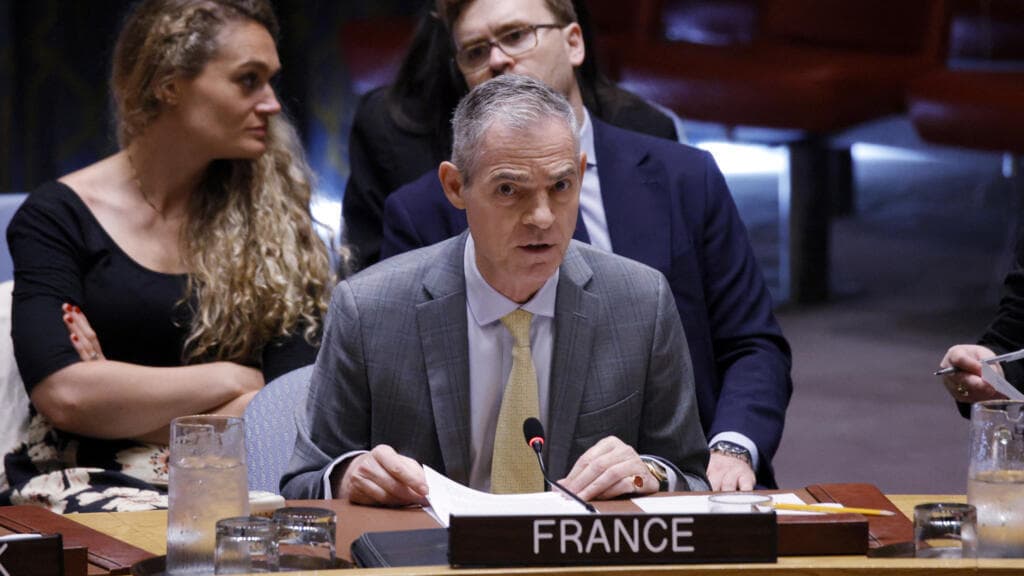
U.S. diplomats walked out of a United Nations Security Council meeting in New York on Monday as France criticized Washington’s human rights record during remarks on Ukraine. The protest turned a routine council session into a public rebuke between two governments that usually present themselves as close partners on security, trade and multilateral diplomacy.
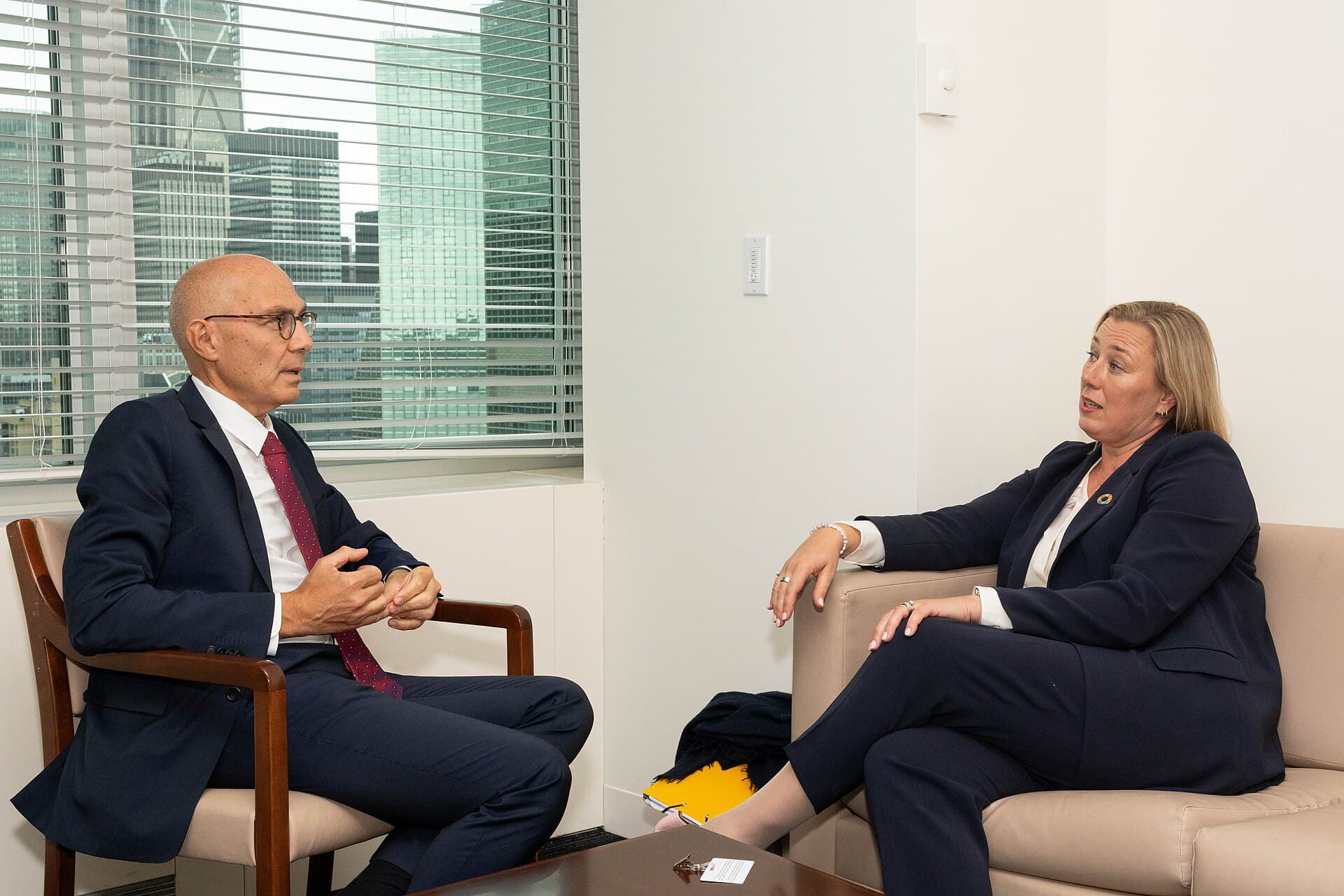
The clash centered on the UN General Assembly’s decision to give High Commissioner for Human Rights Volker Türk a new four-year term. The assembly approved the extension by a 144-10 vote, despite opposition from the United States, Israel and Russia. Washington had warned against the move before the vote, making the dispute about a concrete personnel decision rather than a symbolic exchange.
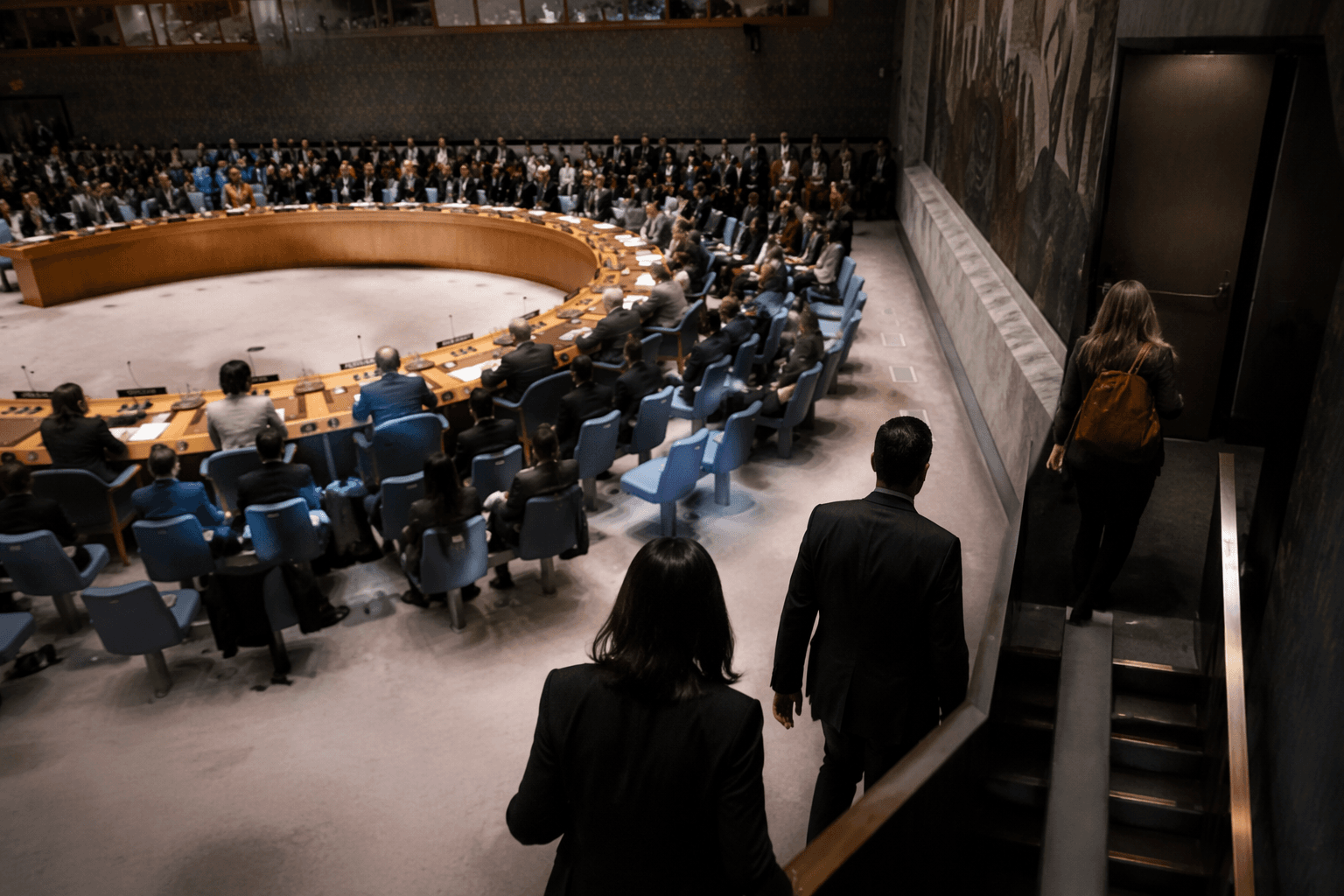
France’s UN ambassador, Jérôme Bonnafont, was the speaker whose remarks prompted the walkout. French officials argued that the U.S. position on the rights chief’s mandate sat uneasily with Washington’s criticism of other governments. France compared the American stance to those of Russia, North Korea and other authoritarian states, a comparison U.S. officials rejected as “disingenuous grandstanding” and “condescending” rhetoric. Senior U.S. delegation official Dan Negrea also pushed back publicly as the argument spilled beyond the chamber.
The episode echoed earlier U.S.-France breaks at the United Nations, especially the 2003 Iraq fight, when Paris moved to block Security Council authorization for war and the transatlantic split became a defining diplomatic rupture. But it also differed from moments such as Libya in 2011, when Washington and Paris ultimately aligned behind Security Council action. That contrast suggests this latest flare-up is less about a single vote than about how close allies now manage public criticism in multilateral forums.
The setting made the dispute harder to dismiss. Ukraine was already on the council’s agenda, and the walkout signaled how quickly a rights argument can disrupt broader coordination among allies who still depend on one another at the UN. It also showed how human rights debates have become a pressure point inside Western alliances, with Washington increasingly sensitive to allies using UN stages to question its conduct in front of a global audience.
This article was produced by Prism’s automated news system from verified source data, official records, and press releases, then run through automated quality and moderation checks before publishing. The system is built and supervised by the people who set the standards it runs under. Read our full AI policy.
Did this article answer your question?