Russia’s war in Ukraine brings mounting military and economic costs
Russia’s war in Ukraine has produced a bill measured in tens of billions, from battlefield losses to sanctions and a 5.1 percent war share of 2025 spending.
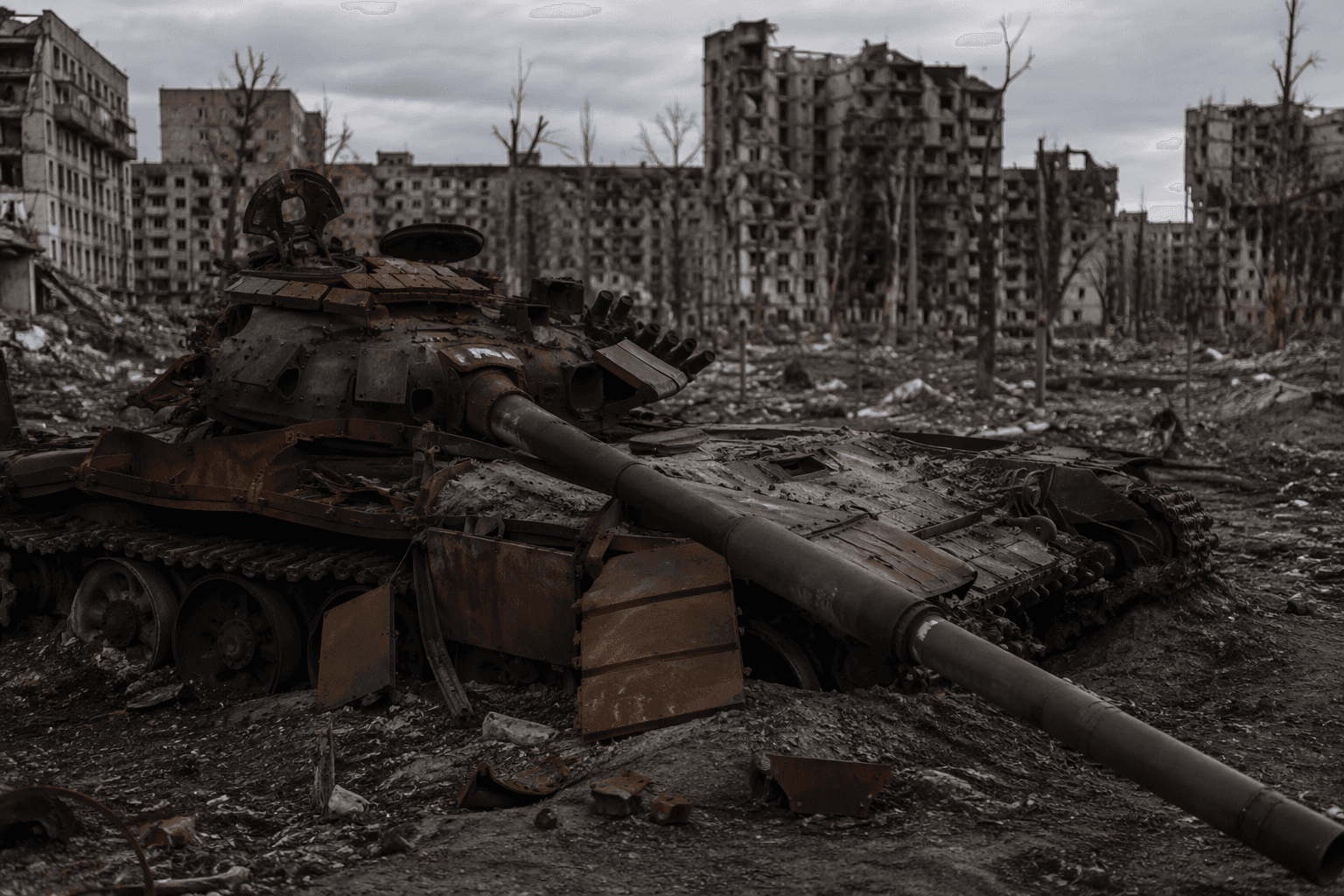
Russia’s war in Ukraine has produced a bill that keeps getting larger, and the money is only part of it. The clearest challenge to the idea of cost-free conquest is simple: Moscow has gained territory at the price of military attrition, GDP losses, sanctions pressure, and a budget that now openly reflects wartime strain.
The price of conquest
Andrew Kosenko and Peter Liberman set out the central argument in Foreign Affairs in February 2025: Russia’s expansion in Ukraine had yielded few gains. Their case rested on a gap that has widened over time, between the Kremlin’s territorial ambitions and the economic and military burden required to sustain them.
That burden is visible on the battlefield first. RAND estimated that by September 2022, Russia’s direct military costs from the invasion had reached about $40 billion, while full-year 2022 GDP losses were estimated at between $81 billion and $104 billion. RAND also projected that direct military spending could reach $132 billion through 2024, a figure that shows how fast an invasion can turn into a standing drain on state finances.
What the RAND numbers mean
The most important part of RAND’s assessment is not just the size of the costs, but the fact that they were measured early in the war and still pointed upward. RAND said Russia could afford to sustain these costs for the next several years, which is why the invasion did not automatically collapse under its own weight. Affordability, however, is not the same as cost-free, and the difference matters for anyone trying to judge whether force alone can pay.
RAND’s broader summary also tied the war to battlefield attrition. Russia failed to achieve its initial military goals and instead entered a protracted conflict marked by significant numbers of dead and wounded and depletion of munitions. That combination, military losses plus an extended fight, is what turns conquest into a long-term liability rather than a clean geopolitical win.
The strategic lesson is stark: if a war drags on, the costs accumulate even when the front line moves. That is why analysts have increasingly treated Russia’s campaign not as a model of effortless coercion, but as a case study in how aggression can consume resources faster than it delivers durable gains.
Sanctions, prices, and isolation
The economic consequences extended well beyond Russia’s borders. RAND described the renewed invasion as unleashing a historic sanctions campaign by a united West opposed to the invasion, along with a global economic shock that lifted energy, food, and fertilizer prices. Those price spikes mattered in markets far from Ukraine, because they fed inflation pressure, strained household budgets, and raised the cost of trade and production.
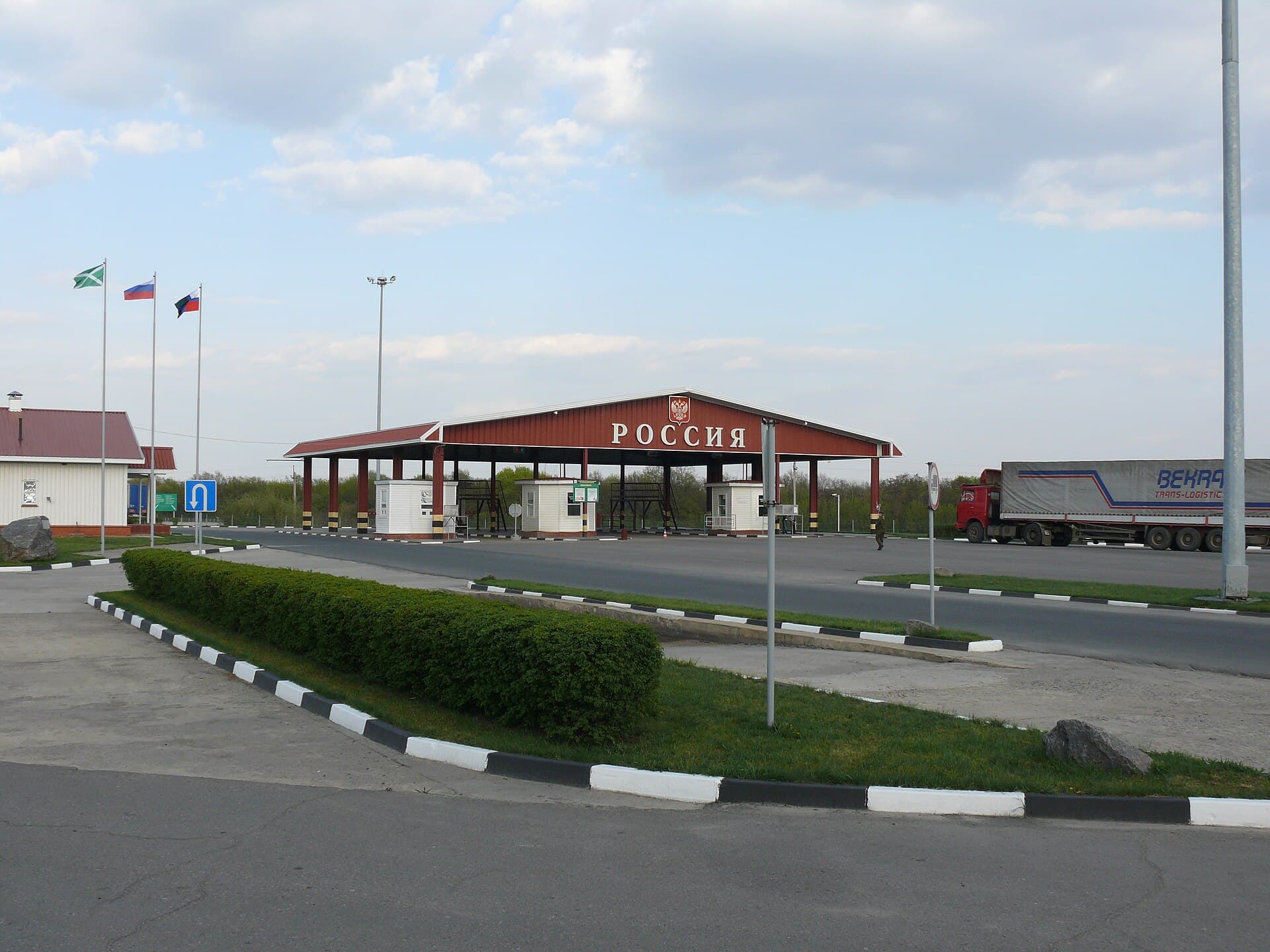
That is what makes the “cost” of war so much broader than tanks and missiles. Sanctions are not only punitive in a narrow sense, they also limit access to finance, technology, and commercial relationships over time. Energy and food shocks then export part of the burden to the rest of the world, widening the circle of states that have reason to view the war as economically destabilizing.
Diplomatic isolation also becomes part of the ledger. A conflict that triggers a united Western sanctions response does more than punish one government; it marks that government as a persistent outlier in major international forums, markets, and policy networks. Even when territorial gains are held, the reputational damage can outlast the battlefield phase of the war.
The Kremlin’s own budget started to show the strain
The most revealing sign of all came from inside the Russian state itself. In a February 24, 2026 analysis, the American Foreign Policy Council said that December marked the first time Russia’s government publicly revealed the true cost of the war, when Defense Minister Andrey Belousov said the projected war bill for 2025 was 5.1 percent of total spending.
That figure matters because it shows the Kremlin no longer hiding the burden behind general defense rhetoric. Once wartime spending is large enough to be broken out in public as a share of total spending, the war has become a fiscal fact, not just a political slogan. It also suggests the state is being forced to balance military priorities against everything else it must pay for, from domestic administration to economic stabilization.
Ilan I. Berman’s AFPC piece framed that disclosure as good news for those who want to see the war become less sustainable. The logic is straightforward: if the invasion now eats a larger share of public resources, Russia has less room to absorb losses, rearm cheaply, or claim that conquest comes without enduring sacrifice.
What “cost” means now
Russia’s war in Ukraine shows that military aggression can produce gains on a map while still imposing real and rising costs on the aggressor. RAND’s estimates put those costs in the tens and then hundreds of billions of dollars, while its broader summary linked the war to dead and wounded, munitions depletion, sanctions, and global price shocks.
The evidence points to a harder truth for would-be conquerors: territory can be seized quickly, but accountability arrives through markets, budgets, and military attrition. In Russia’s case, the war has become a test of how long a state can finance expansion before the bill starts to shape strategy more than ambition does.
This article was produced by Prism’s automated news system from verified source data, official records, and press releases, then run through automated quality and moderation checks before publishing. The system is built and supervised by the people who set the standards it runs under. Read our full AI policy.
Did this article answer your question?