Australia confirms first H5N1 bird flu case, virus reaches every continent
Australia’s first H5N1 case ended the last continent free of the strain, with a single sick brown skua found near Esperance. Officials say poultry and agriculture remain clear for now.
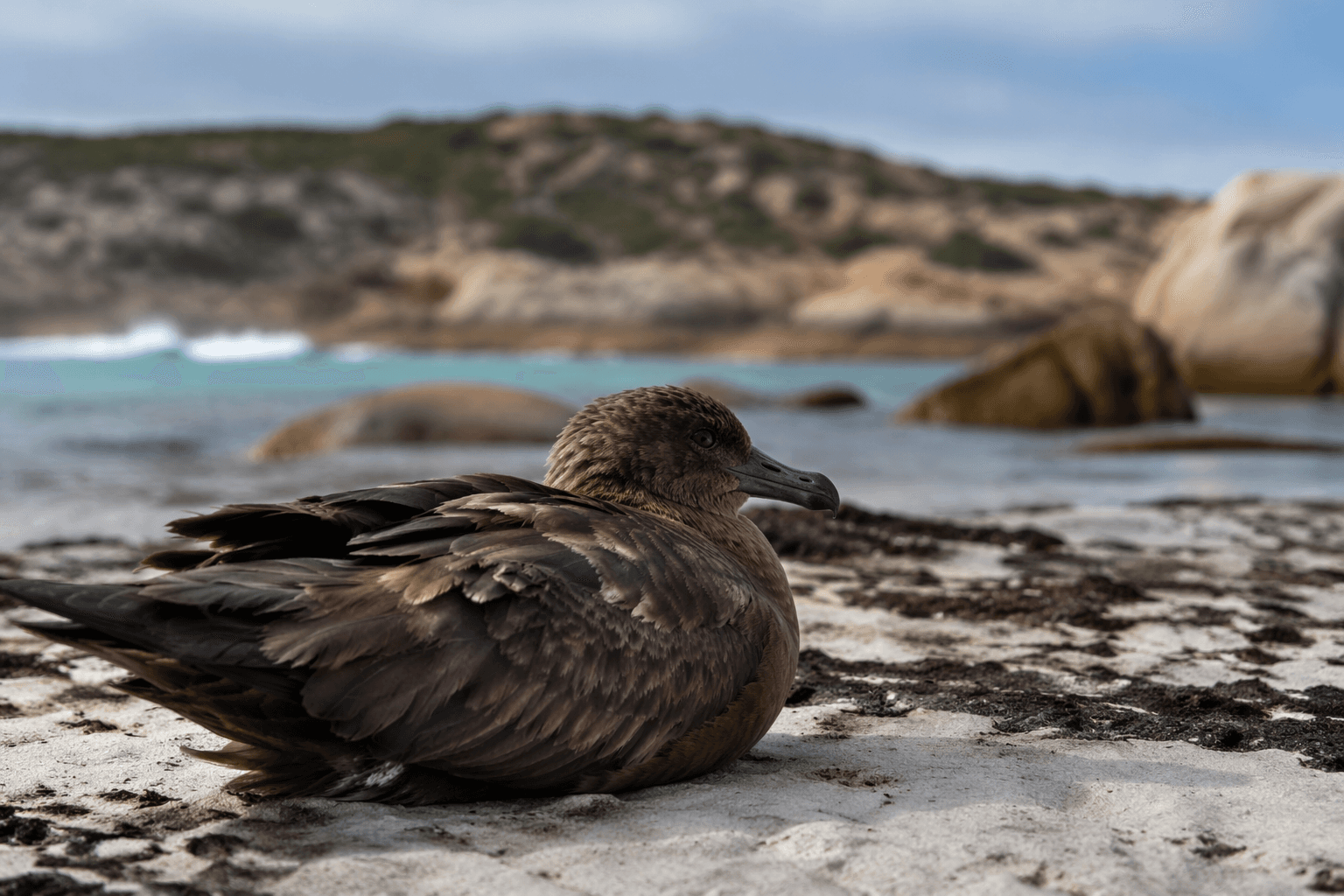
H5N1 bird flu has now reached every continent after Australia confirmed its first case in a single brown skua in Western Australia, closing the last geographic gap in the global spread of the highly pathogenic strain. The bird was found sick on June 14 near Esperance and Cape Le Grand National Park, and the diagnosis was confirmed June 20 by the CSIRO Australian Centre for Disease Preparedness.
The result matters because Australia had been the last continent free of this version of H5 bird flu. As of June 20, authorities were also testing samples from a sick giant petrel in the same region after a Western Australian government laboratory returned a suspect positive result. The detection was limited to wildlife, but it marks a new phase in a virus that the Australian Government says has caused severe disease and high death rates in poultry, wild birds and affected mammals around the world.
For now, officials said there was no evidence of H5 bird flu in Australian poultry or agricultural systems, and no mass mortalities had been reported. That distinction is critical for food supply and for public confidence: the first confirmed Australian case was not found in a farm flock, and there is no sign from the government’s update that commercial poultry systems have been hit. Even so, the finding raises the pressure on agricultural surveillance, because a virus that has already moved through every continent can still spread quickly once it enters local wildlife networks.
The concern in Australia is not only about farms. Experts have warned that a foothold for H5 bird flu could be catastrophic for vulnerable native species, including black swans, Australian sea lions and Tasmanian devils. The warning has sharpened over the past year, after H5 bird flu was confirmed in southern elephant seals on Heard Island in November 2025 and additional wildlife species there later tested positive in a February 17, 2026 update.
The federal government has spent years preparing for a biosecurity breach, including an extra $95 million in avian influenza preparedness funding announced in October 2024. Agriculture Minister Julie Collins confirmed the case, and Prime Minister Anthony Albanese said the government would do all it can to curb any spread. With the virus now established on every continent, Australia’s challenge is containment before wildlife exposure becomes a broader ecological and agricultural crisis.
This article was produced by Prism’s automated news system from verified source data, official records, and press releases, then run through automated quality and moderation checks before publishing. The system is built and supervised by the people who set the standards it runs under. Read our full AI policy.
Did this article answer your question?