Australia says China missed chance to ease regional security fears
China’s decision to skip its defence chief left Australia calling it a missed chance to calm regional fears.
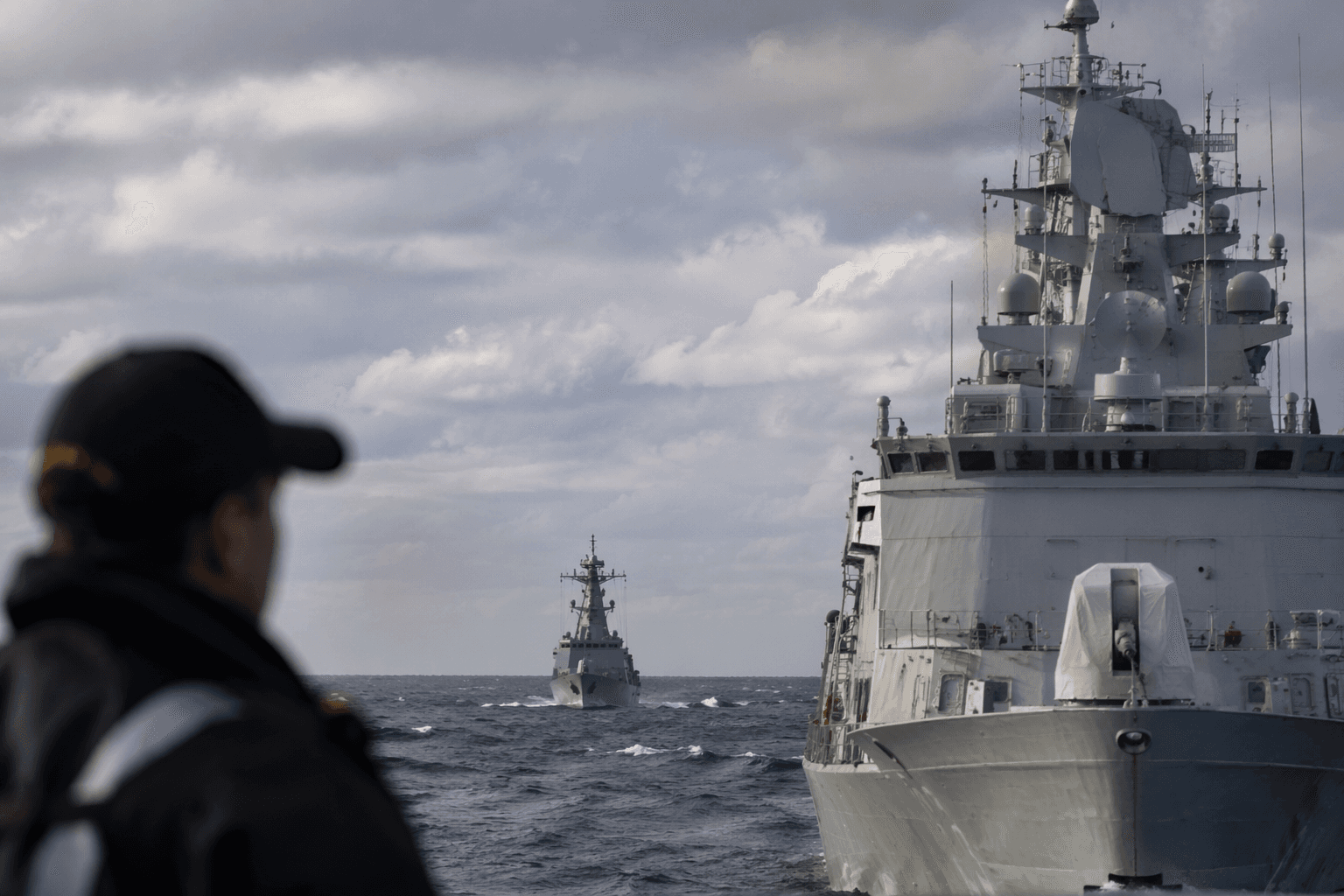
China’s decision to send academics and a People’s Liberation Army National Defence University delegation to Singapore’s top security forum gave Australia room to argue that Beijing had left a strategic vacuum at a moment of rising anxiety. Richard Marles said China had missed an opportunity to provide reassurance by not sending Defence Minister Dong Jun to the Shangri-La Dialogue, where military leaders and diplomats were gathering to test the region’s security mood.
The 23rd edition of the dialogue opened in Singapore with 44 countries represented, including 54 minister-level delegates and more than 42 chief-of-defence-forces-level delegates and senior defence officials. The forum, run by the International Institute for Strategic Studies, has long served as Asia’s premier defence summit and a barometer for how governments want the Indo-Pacific security debate framed. This year’s agenda was set to be dominated by war in Iran, strained U.S. commitments in Asia and rising tensions over Taiwan.
China’s delegation was led by Major General Meng Xiangqing, with former Vice Foreign Minister Cui Tiankai also expected to speak. It marked the second straight year Beijing had opted not to dispatch its defence minister, a choice that stood out alongside the presence of senior officials from across Asia, North America, Europe, the Middle East and beyond. For countries trying to read Beijing’s intentions, the optics mattered as much as the formal program.
Marles’ criticism went beyond protocol. In his 2025 Shangri-La speech, he described the Indo-Pacific as the world’s most consequential strategic arena and said it was also the site of the world’s largest conventional military and nuclear re-armament. That warning framed Australia’s latest complaint: China’s military growth has not been matched by enough transparency or high-level dialogue to ease concerns among regional governments.
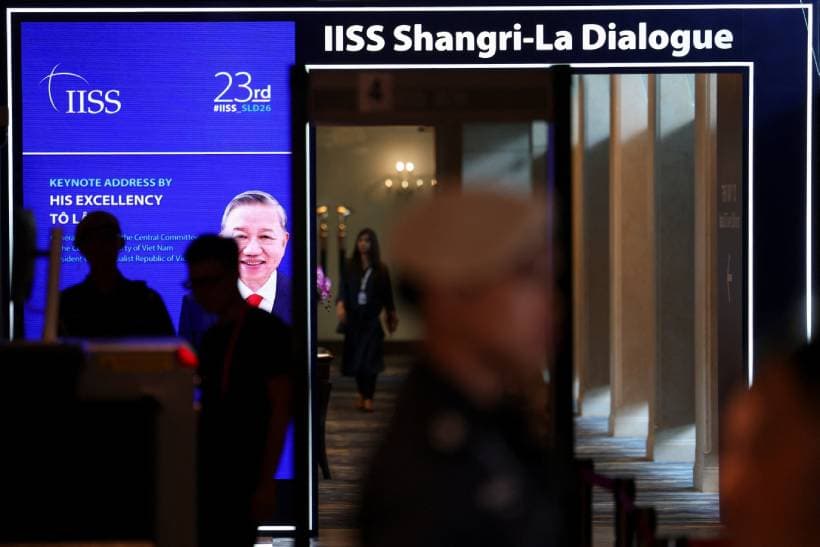
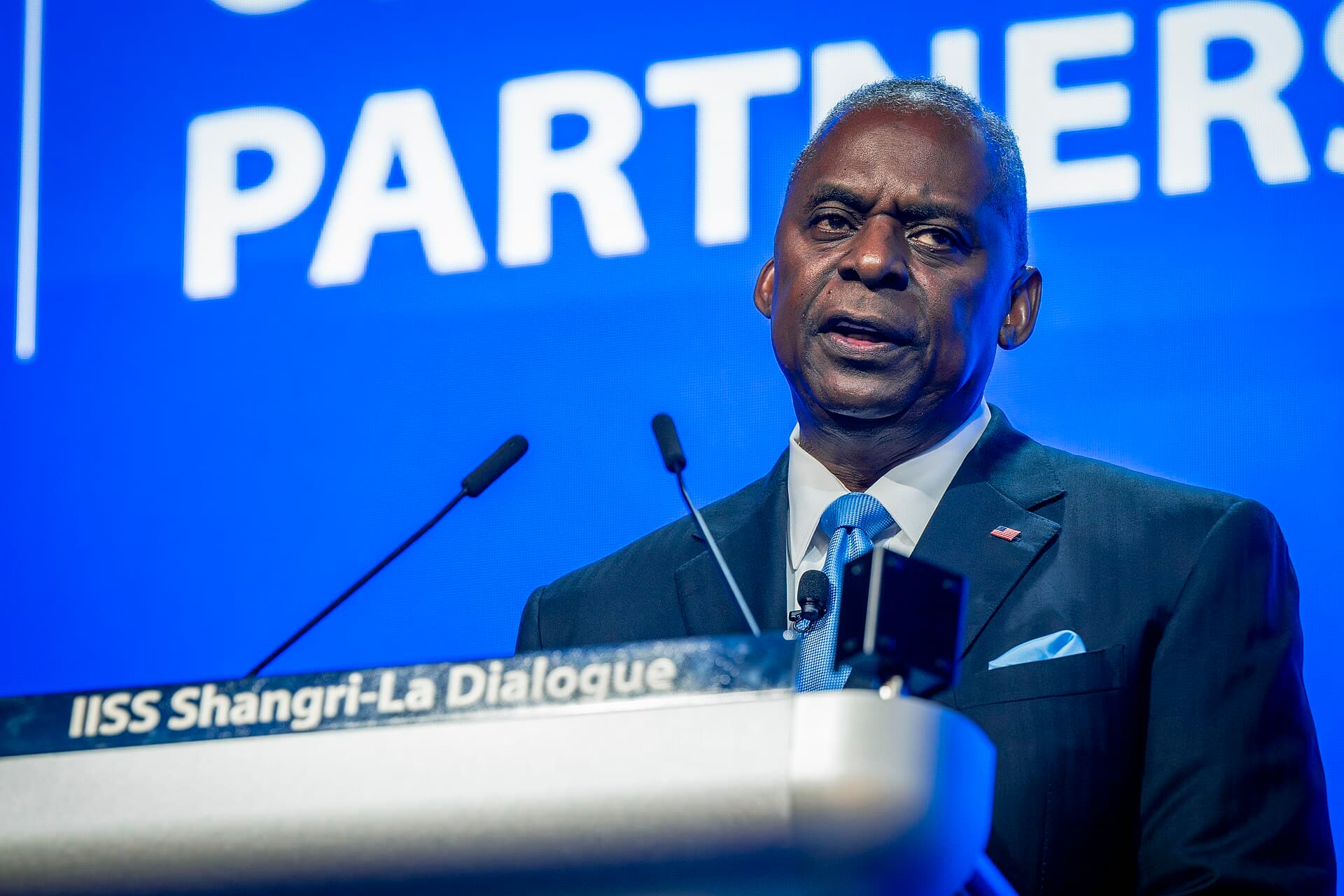
Singapore’s Ministry of Defence said President Tharman Shanmugaratnam would host a reception, Vietnamese President To Lam would deliver the keynote address and Timor-Leste President Jose Ramos-Horta would give a special address. U.S. Secretary of War Pete Hegseth was also scheduled to speak, underscoring how the summit has become a stage for alliance signaling as well as diplomacy.
For Australia and its partners, the issue is not simply that China stayed away from the top table. It is that Beijing left others to define the narrative at a forum built for strategic reassurance, just as the region is wrestling with deterrence, dialogue and the risks of miscalculation. With AUKUS, ASEAN and the Five Power Defence Arrangements all part of the wider security conversation, China’s muted presence made the summit’s central question harder to avoid: whether Beijing wants to shape the regional order or leave its intentions to be guessed at by rivals.
This article was produced by Prism’s automated news system from verified source data, official records, and press releases, then run through automated quality and moderation checks before publishing. The system is built and supervised by the people who set the standards it runs under. Read our full AI policy.
Did this article answer your question?