Australia, US pledge $3.5 billion for critical minerals projects
Australia and the United States pledged more than A$5 billion to speed rare-earths and other critical minerals projects aimed at cutting China’s chokehold on supply chains.
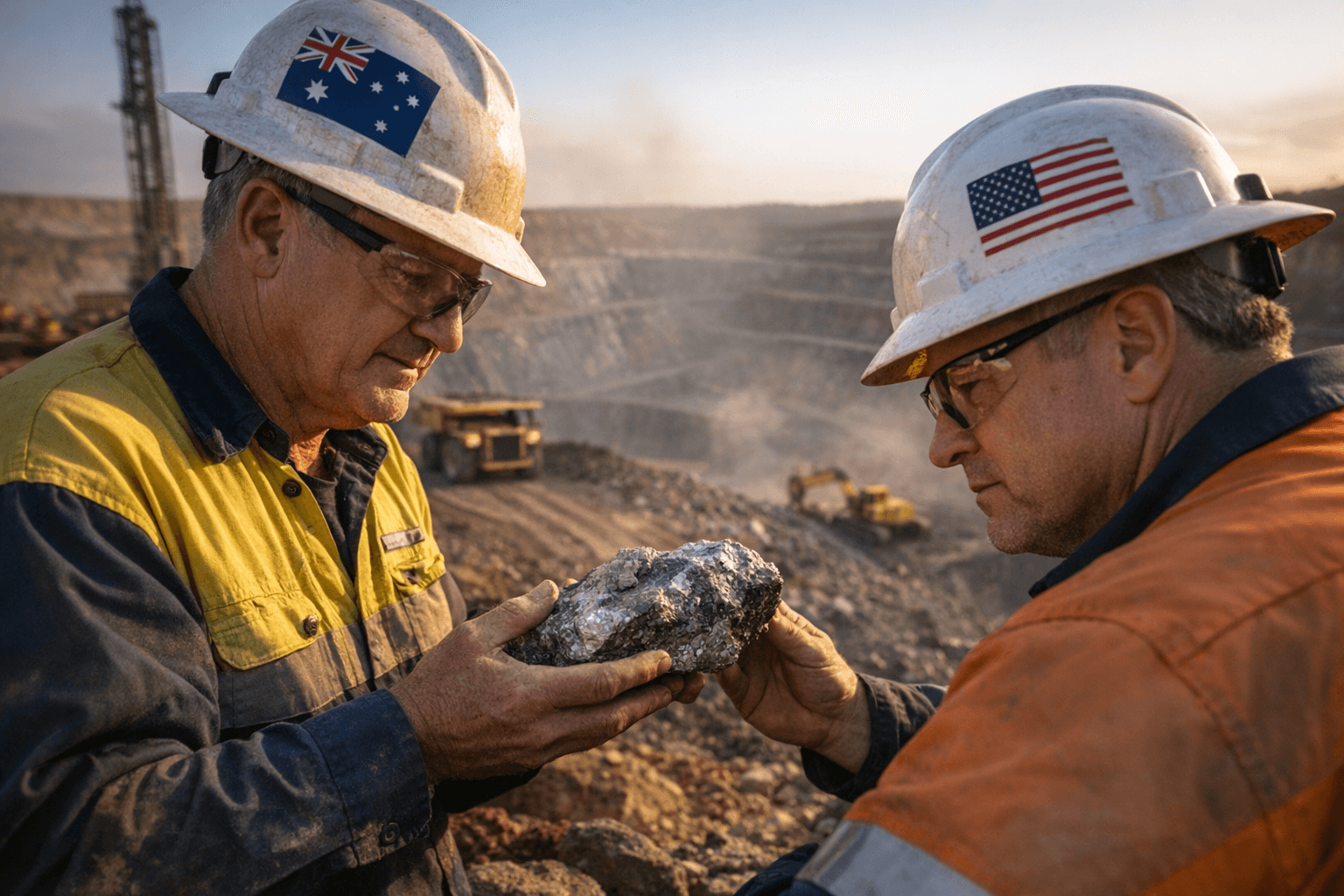
Australia and the United States pledged more than A$5 billion, about $3.5 billion, for a new round of critical minerals projects in Australia, putting allied money behind an industrial push that now sits squarely at the center of national security planning.
The commitment, announced Sunday, April 12, built on a cooperation agreement the two countries struck about six months earlier and followed an earlier pledge of at least $1 billion each toward an $8.5 billion pipeline of priority projects. The latest package nearly doubled the amount already committed and was designed to speed development and refining of metals used in defense systems, advanced manufacturing and the energy transition.
Australian officials said the financing would move through Export Finance Australia and the U.S. Export-Import Bank. The practical aim is to push capital into mines, refineries and processing infrastructure that can struggle to secure enough private backing on their own, especially when the long lead times and technical risks of refining make lenders cautious.
One of the biggest beneficiaries is a rare-earths refinery project linked to Tronox Holdings, which has already received letters of support and interest worth a combined A$849 million. The project would use Tronox’s existing mining and processing base to produce mixed rare earth carbonate containing both light and heavy rare earth elements, a product used further down the supply chain to make materials critical to high-tech and defense manufacturing.
Madeleine King, Australia’s resources minister, said the countries were “delivering on the commitments made in the White House,” casting the package as part of a broader effort to diversify crucial supply chains. That message reflects the larger strategic goal: reducing reliance on Chinese processing capacity in minerals that are increasingly treated as strategic inputs, from electric vehicles and semiconductors to weapons systems and grid technologies.
The deal matters because China has spent years mastering the difficult refining steps that turn ore into usable industrial inputs. By directing allied capital toward Australian projects, Washington and Canberra are trying to build a more resilient supply chain before demand rises further and prices become more exposed to geopolitical pressure. The result could be tangible industrial capacity, but only if financing now turns into mines, refineries and processing plants that begin operating at scale.
This article was produced by Prism’s automated news system from verified source data, official records, and press releases, then run through automated quality and moderation checks before publishing. The system is built and supervised by the people who set the standards it runs under. Read our full AI policy.
Did this article answer your question?