Starmer urges social media crackdown as Britain weighs under-16 ban
Starmer pushed Britain toward rules on addictive app design, while a national consultation on an under-16 social media ban drew more than 45,000 responses. Ofcom has now put Facebook, TikTok and YouTube on notice over age checks and safer feeds.
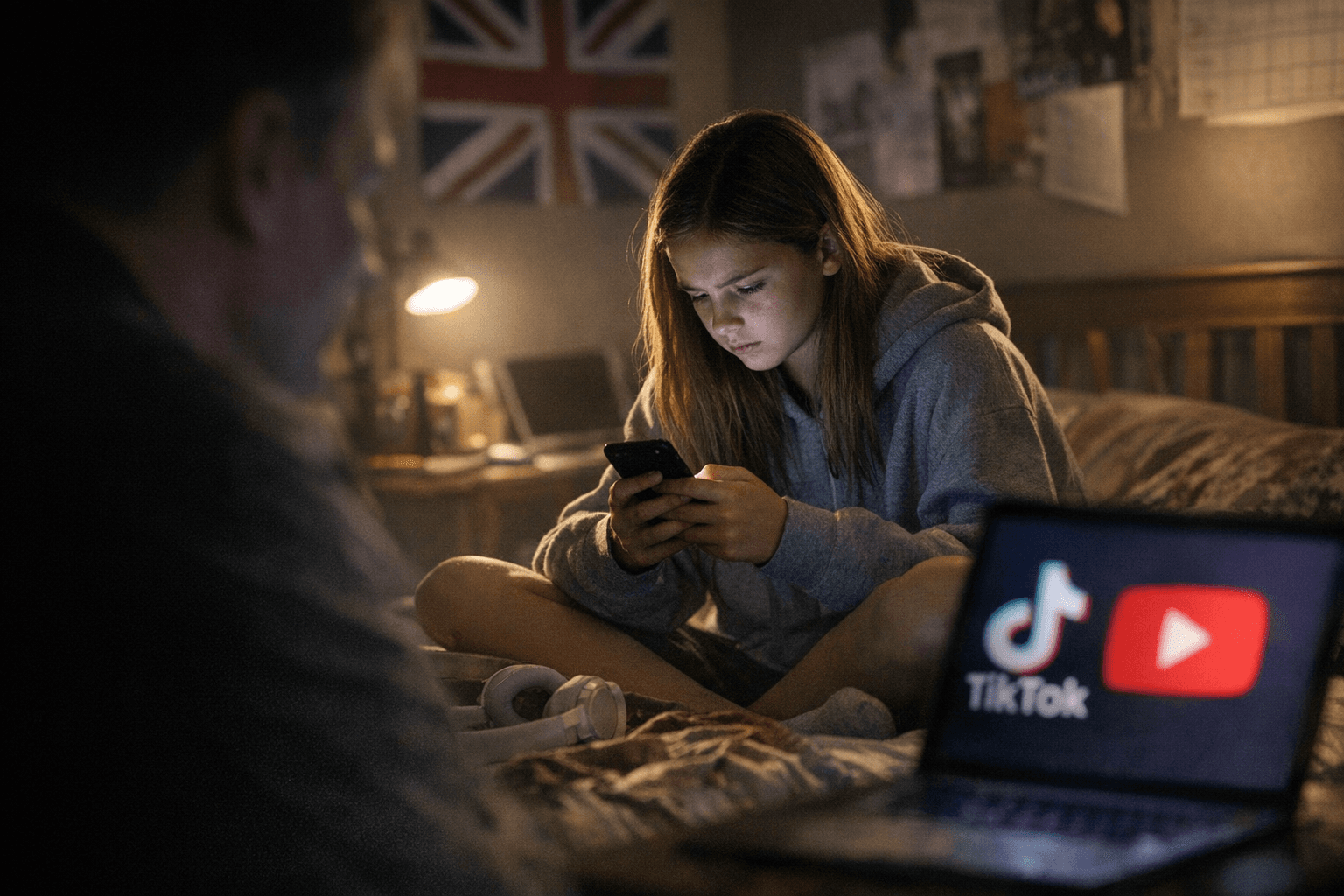
Keir Starmer has moved the debate over children’s online life beyond screen-time warnings and into the mechanics of app design, arguing that platforms such as Instagram and TikTok need to stop the endless scrolling that keeps young users hooked. The prime minister linked the issue to the wider concern raised by parents and schools, saying the addictive design of social apps is a real problem and that the systems driving never-ending short videos should change.
That shift matters because Britain is no longer talking only about harmful posts or illegal content. The government’s consultation, Growing up in the online world: a national conversation, opened on March 2 and closes on May 26. It is considering whether to ban social media for children, restrict AI chatbot features and impose overnight curfews, while also running real-world pilots with families and teenagers in 300 teenage homes to test how bans and time limits would work in practice. By Monday, the consultation had already received more than 45,000 responses. Technology Secretary Liz Kendall said there was still time to contribute before the deadline.
The numbers help explain the political pressure. House of Commons Library research said Ofcom data published in 2025 showed 95% of 13- to 15-year-olds use social media and 96% have their own profile. That gives lawmakers a large, deeply embedded user base to target if they decide that age-based defaults, stricter age checks, autoplay limits or feed controls are easier to enforce than broader content rules. The consultation builds on the Online Safety Act 2023 and reflects a growing official view that the problem is not just what children see online, but how platforms keep them there.
Regulators are already moving in parallel. Ofcom told Facebook, Instagram, Roblox, Snapchat, TikTok and YouTube to report by April 30 on how they will enforce age limits and make feeds safer, with a further update due in May on the companies’ responses and next steps for regulation. The broader international picture is pushing in the same direction: Australia began enforcing its under-16 social media ban on December 10, 2025, and Greece is due to bar access for children under 15 from January 1, 2027. Supporters say tighter rules could protect children from compulsive use, while critics warn of unintended consequences, but the direction of travel is clear: Britain is edging toward regulating addictive design features as much as content itself.
This article was produced by Prism’s automated news system from verified source data, official records, and press releases, then run through automated quality and moderation checks before publishing. The system is built and supervised by the people who set the standards it runs under. Read our full AI policy.
Did this article answer your question?