Pakistan works to revive U.S.-Iran talks after ceasefire stalemate
Pakistan is trying to keep U.S.-Iran channels alive after 21 hours of failed talks, betting its ties in Tehran, Washington and Riyadh can hold a fragile ceasefire together.
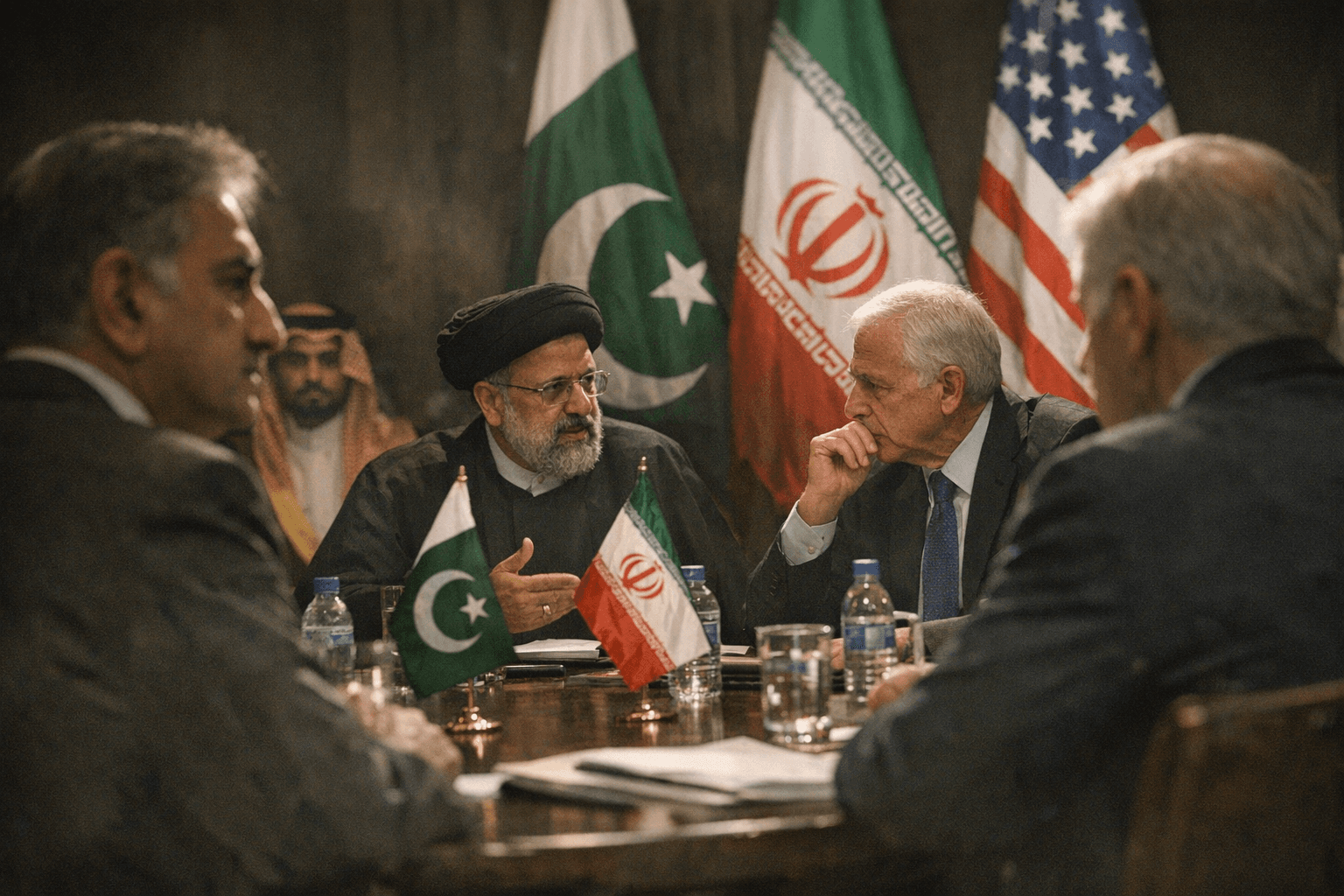
Pakistan is racing to salvage a diplomatic opening that collapsed after 21 hours of talks in Islamabad, where U.S. and Iranian negotiators broke up early Sunday without a deal. Senior Pakistani officials say Islamabad is still in active contact with Washington and Tehran and will try to arrange a new round of dialogue in the coming days.
The effort matters because the ceasefire under discussion is only two weeks old and remains fragile. Foreign Minister Ishaq Dar said Pakistan sees it as imperative that both sides uphold the truce, while Pakistani mediators worked through the night to keep the process from unraveling. The goal in Islamabad is not yet a final peace settlement, but something narrower and, Pakistani officials believe, more achievable: an agreement to keep the talks going.
That second-track approach reflects the limits exposed in the latest round. U.S. Vice President JD Vance led the American delegation, and U.S. officials said the central sticking point was Iran’s refusal to accept American terms, especially on not developing a nuclear weapon. Mohammad-Baqer Qalibaf, the Iranian parliament speaker, said the U.S. side failed to win the trust of the Iranian delegation. The talks were the highest-level face-to-face U.S.-Iran meeting since Iran’s 1979 revolution.
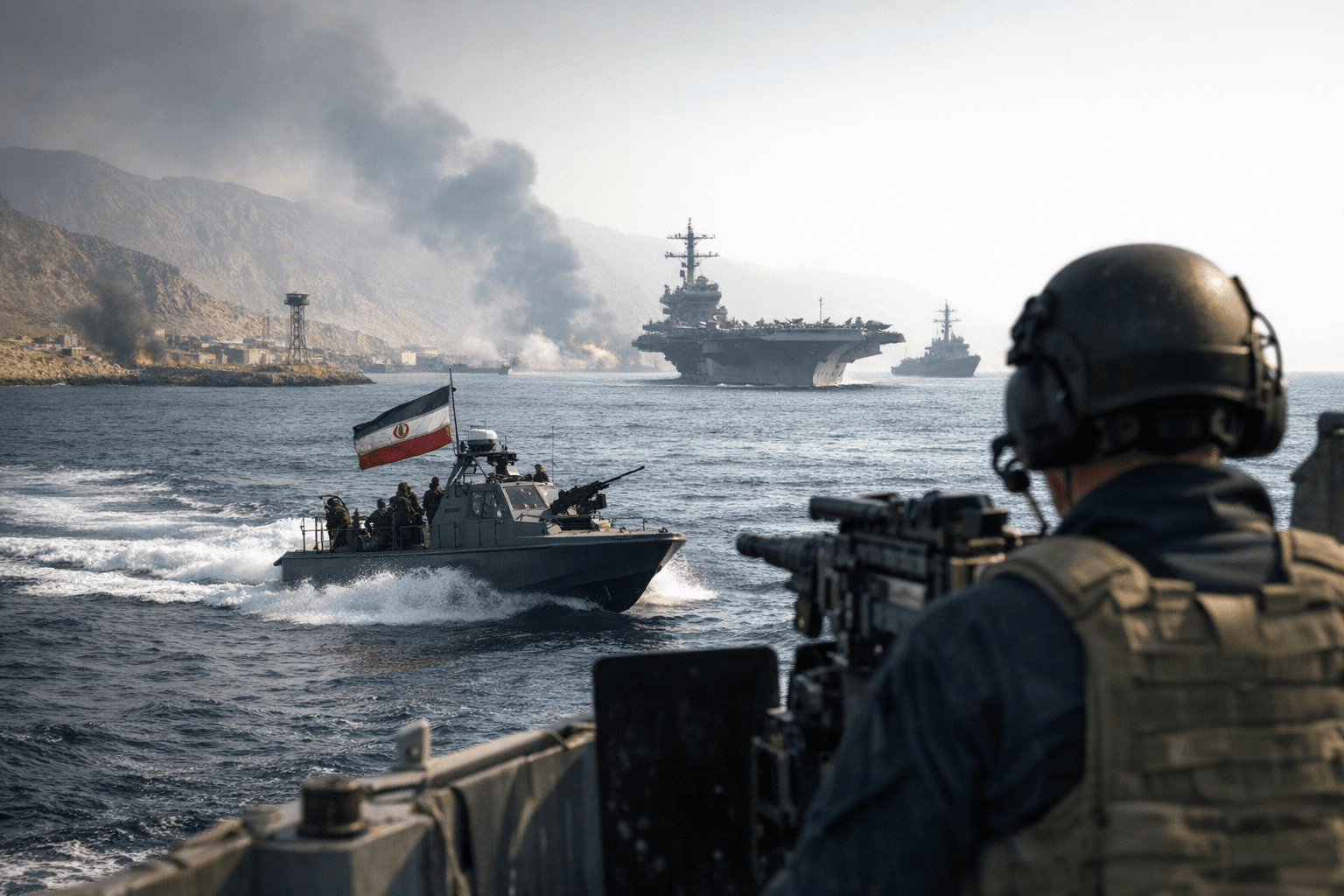
Pakistan is trying to make itself useful precisely where the earlier effort nearly broke down. Its civilian and military leadership were engaged throughout the earlier ceasefire push, and officials said mediation nearly collapsed after an Iranian strike on a Saudi petrochemical facility. That episode showed how quickly regional shocks can derail diplomacy when Gulf security is on the line. Pakistan’s mutual defense pact with Saudi Arabia has only sharpened the pressure on Islamabad to keep both Tehran and Riyadh from pulling the region into a wider confrontation.
The stakes are not limited to the battlefield. A broader regional conflict has already disrupted energy supplies, fed inflation and slowed the global economy, deepening the pressure on governments and households far from the front lines. A failed ceasefire would make those strains worse and could further harden positions in Washington and Tehran.
Pakistan’s confidence rests on a familiar argument: proximity can sometimes succeed where grand bargains fail. Islamabad has long tried to use its position between rivals to keep channels open, and it has precedent in the 1988 Geneva Accords talks on Soviet withdrawal from Afghanistan. Whether that leverage is enough now depends on whether Pakistan can persuade both Tehran and Washington that keeping the table intact is better than walking away from it.
Know something we missed? Have a correction or additional information?
Submit a Tip