Southport attack was foreseeable and avoidable, inquiry blames missed warnings, parents
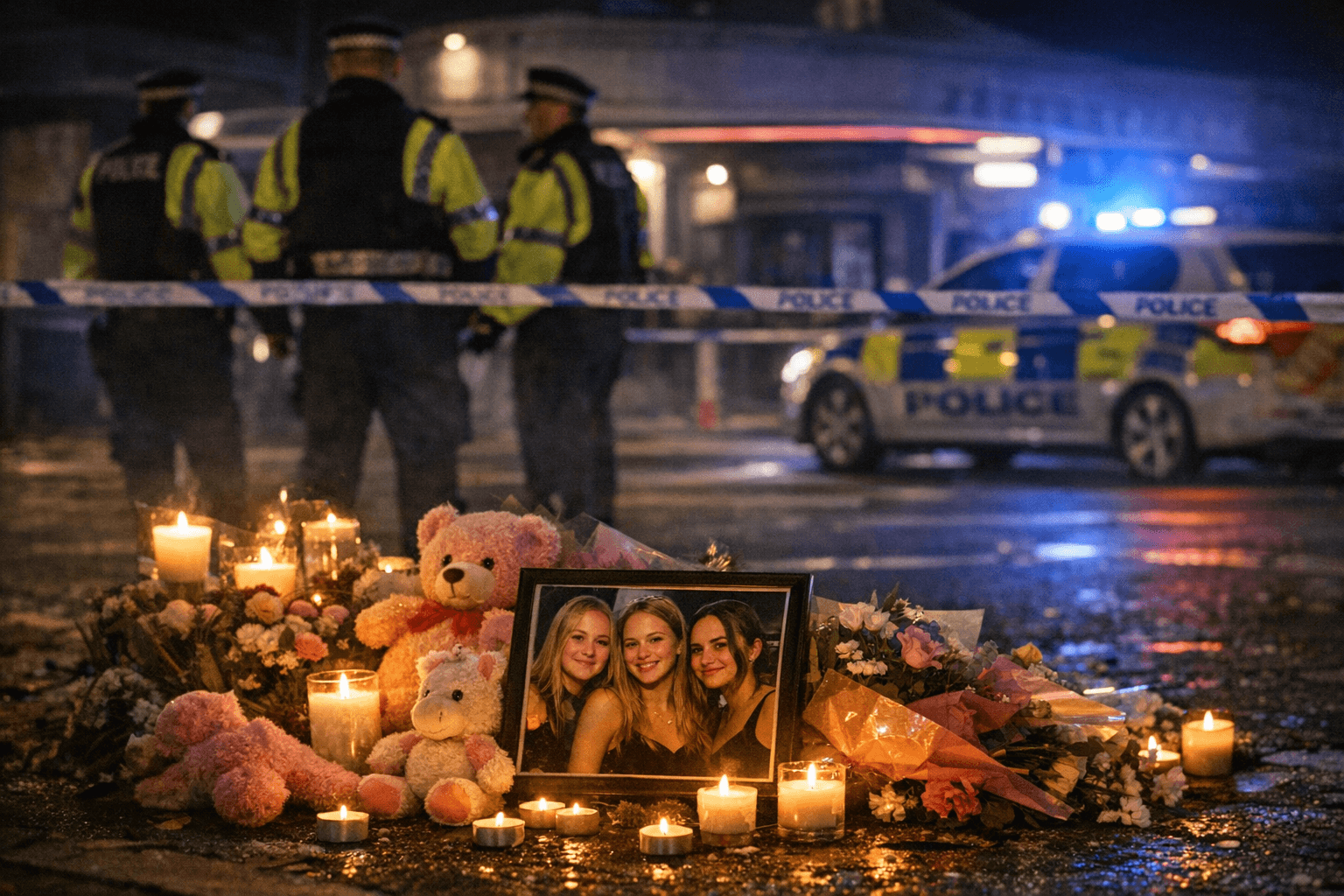
Three girls were killed and 10 others injured, but the inquiry says repeated warnings, missed referrals and parental failures made the Southport attack preventable.

The Southport attack was not treated as anyone’s responsibility until it was too late, and the inquiry says that failure ran through police, safeguarding, education and the home. Sir Adrian Fulford said the assault on 29 July 2024 at the Hart Space in Southport was “foreseeable and avoidable”, after Axel Rudakubana murdered Elsie Dot Stancombe, Alice da Silva Aguiar and Bebe King and injured 10 other people.
The Phase 1 report, published on 13 April 2026, places preventability at the center of its findings. It identifies five major breakdowns: no organisation or multi-agency arrangement took ownership of the risk Rudakubana posed; essential information was repeatedly lost, diluted or poorly handled; his behaviour was wrongly excused because it was linked to a perceived or diagnosed autism spectrum disorder; his online activity, which contained the clearest signs of violent preoccupations, was never meaningfully examined; and his parents failed to provide boundaries, allowed knives and weapons to be delivered to the home, and did not report crucial information in the days before the attack.
The report also makes the family’s role central to its account of “fundamental problems,” saying there was a significant parental failure in the run-up to the killings. That finding sharpens the public-value question now facing the agencies involved: which body had the authority to act, why no one did, and how much of the risk was visible long before the knife attack reached the children’s dance event.
The inquiry began formally on 7 April 2025 and is examining Rudakubana’s history across criminal justice, education, social care and healthcare, along with decision-making and information-sharing by local services and agencies. The earlier Prevent learning review said he was referred to Prevent three times between 2019 and 2021, first on 5 December 2019 after a teacher reported he had been excluded from a previous school for carrying a knife and had searched for mass school shootings on a school account. He was referred again on 1 February 2021 after social media posts raised radicalisation concerns, and a third time on 26 April 2021 after searches for “London Bomb” and material linked to the Israel-Palestine conflict, MI5 and the IRA. That review said he should have been referred to Channel.
Counter Terrorism Policing said it contributed to the collective failure to manage Rudakubana’s risk and would review the report’s recommendations for Prevent. Dame Rachel de Souza said the inquiry must identify missed opportunities to stop the crime and argued that the youth justice system should leave children safer than when they entered it. She also noted that Rudakubana’s minimum sentence is 52 years, making it unlikely he will ever be free. The inquiry says 16 survivors live with serious emotional scars, a measure of how far the damage extends beyond the three girls who were killed.
Sources:
Know something we missed? Have a correction or additional information?
Submit a Tip