UK inquiry finds Southport girls' murders should have been prevented
A British inquiry said the Southport attack on three girls at a Taylor Swift-themed dance event was a "fundamental failure" that should have been stopped.
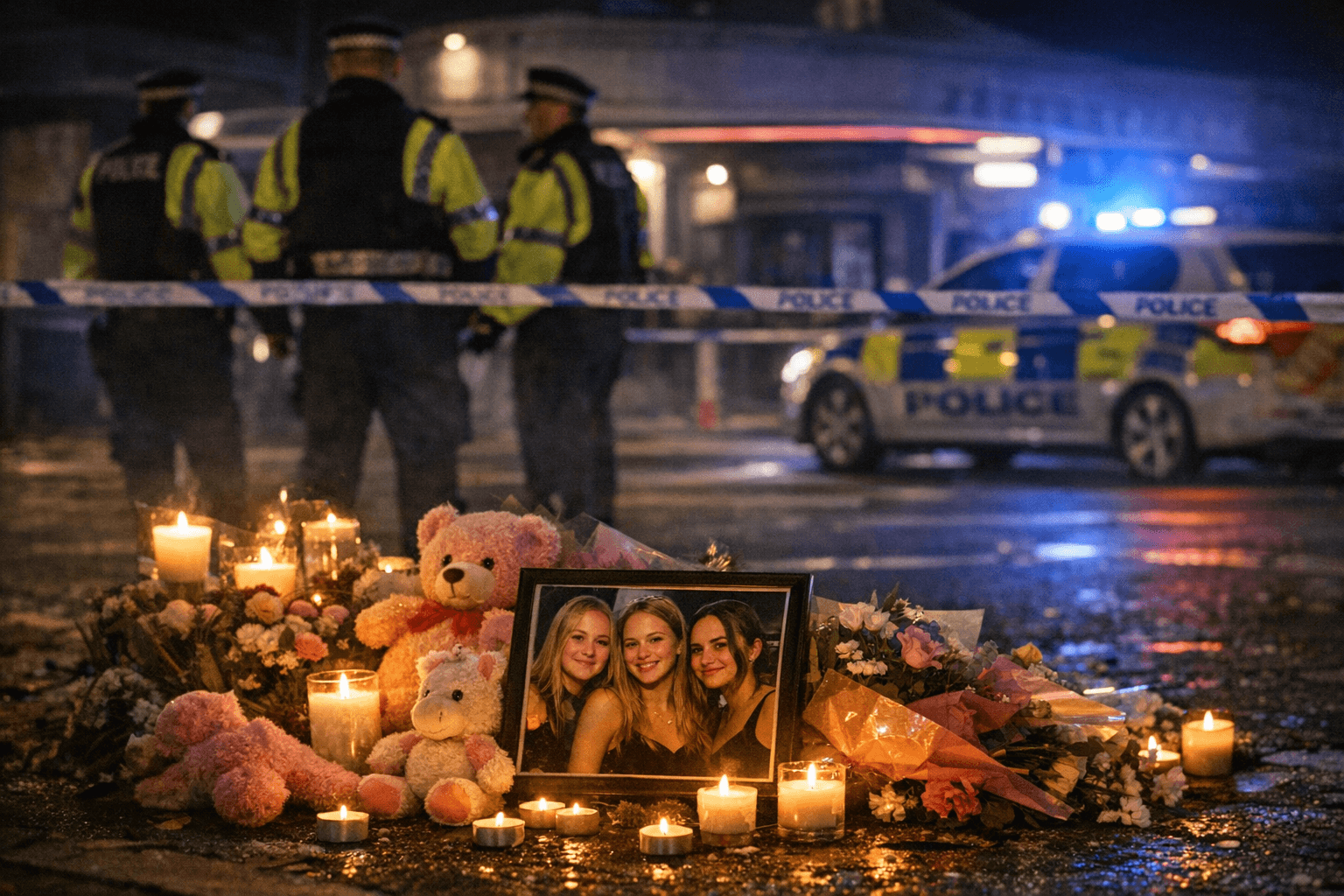
A public inquiry in Britain said the murders of three young girls at a Taylor Swift-themed dance event in Southport should have been prevented, concluding that state bodies failed to recognize the danger the killer posed. The finding described the case as a "fundamental failure" and said the tragedy should not have happened if warning signs had been properly understood and acted on.
The girls were killed at a pop-culture-themed dance event in 2024, an attack that jolted Britain and became one of the country's most closely watched crime cases. The inquiry's conclusion sharpened the question at the heart of the case: not only how the killings happened, but why the systems meant to protect children did not stop them sooner.
The inquiry is examining how the attacker was handled before the killings and whether institutions missed chances to intervene. That includes the chain of decisions made before the attack, along with the way risk information was assessed and shared across agencies. The report's central finding suggests the breakdown was not a single mistake, but a failure of coordination, judgment and response.
That matters because the case now stands as a test of Britain's ability to manage high-risk individuals before violence occurs. If police, social services, schools or health services had pieces of the risk picture, the inquiry's conclusion implies those pieces were never pulled together in time. For families seeking answers, the issue is accountability: what exactly broke, who missed the warning signs, and what should have happened instead.
The broader consequences could reach far beyond Southport. An inquiry that finds a "fundamental failure" often carries pressure for reform in monitoring, information-sharing and safeguarding, especially when children are the victims. The report is likely to fuel demands for stronger early intervention, tighter coordination between agencies and clearer responsibility when concerns about a person begin to accumulate.
The murders carried intense emotional force because the victims were children, and the inquiry has given formal weight to what many people already believed: that this was not an unavoidable tragedy, but a preventable one. The verdict now turns grief into a public reckoning, with Britain's institutions under pressure to prove they can spot danger before it turns fatal.
This article was produced by Prism’s automated news system from verified source data, official records, and press releases, then run through automated quality and moderation checks before publishing. The system is built and supervised by the people who set the standards it runs under. Read our full AI policy.
Did this article answer your question?