Trump orders U.S. blockade of Iran as talks collapse, allies balk
Trump ordered a blockade of Iranian ports as direct talks collapsed, but Britain and France refused to join, exposing a thin coalition behind the threat.
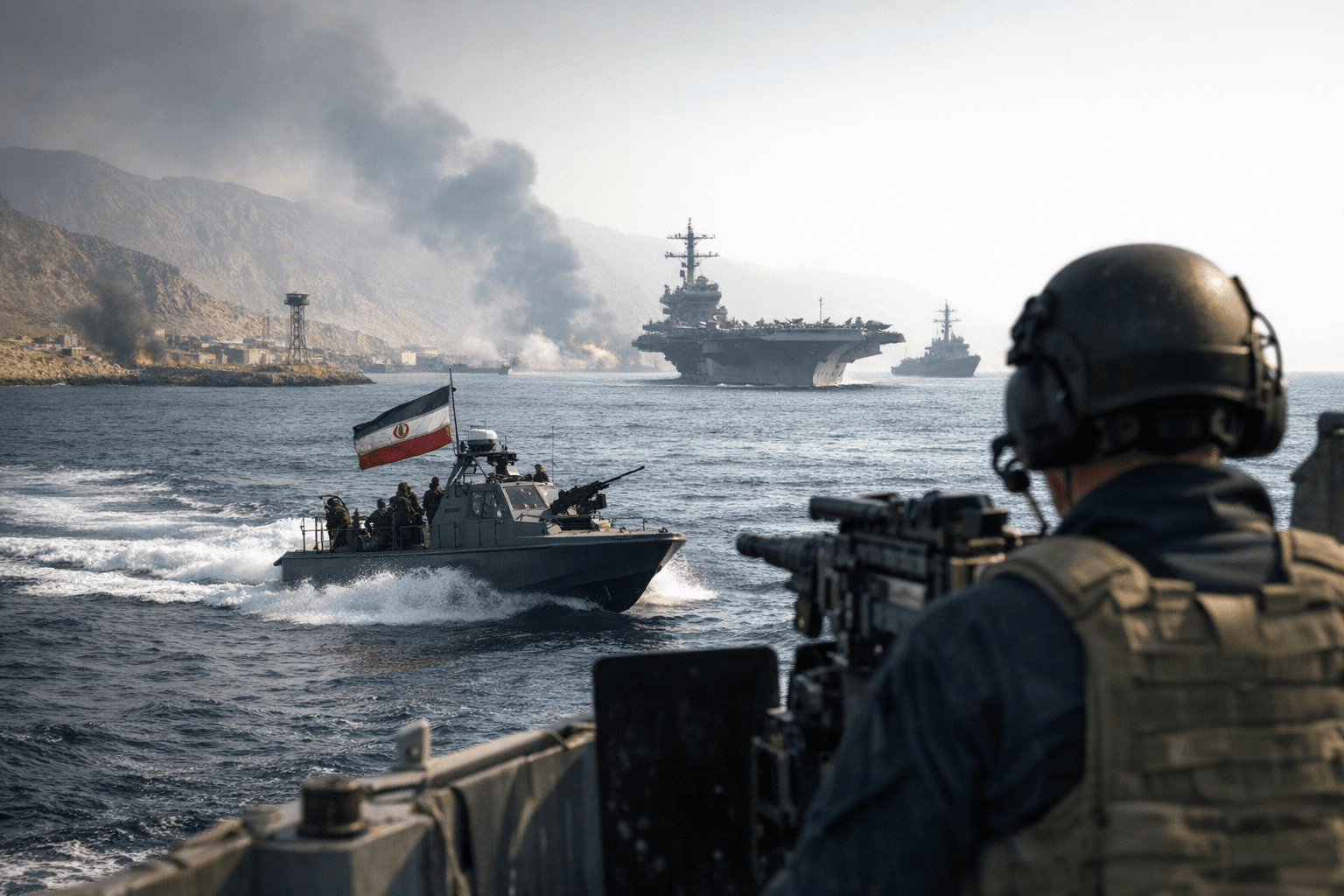
Donald Trump ordered a U.S. blockade aimed at ships entering and leaving Iranian ports and coastal areas, escalating pressure on Tehran after weekend talks failed to produce a deal. U.S. Central Command said the action was set to begin at 10 a.m. ET, 1400 GMT, and would cover Iranian ports on the Arabian Gulf and Gulf of Oman, while not blocking vessels transiting the Strait of Hormuz to and from non-Iranian ports.
Trump said “other countries will be involved” in the operation, but the first major test of that claim came quickly. Britain and France said they would not join the blockade, underscoring the gap between Washington’s posture and the coalition it could actually assemble for a move with immediate global economic consequences. British Prime Minister Keir Starmer was blunt: “We’re not supporting the blockade.” France said it would work with Britain and other countries on a strictly defensive multinational mission to restore navigation once conditions allowed.
The breakdown followed direct U.S.-Iranian talks in Islamabad, Pakistan, the first such meeting in more than a decade and the highest-level contact since the 1979 Islamic Revolution. Abbas Araqchi, Iran’s foreign minister, said Iran had acted in good faith but had run into “maximalism, shifting goalposts, and blockade.” Mohammad Baqer Qalibaf, the Iranian parliament speaker, said Trump’s threats would have no effect on Iran.
The stakes run well beyond the two capitals. The Strait of Hormuz is one of the world’s most sensitive energy chokepoints, carrying about one-fifth of global oil flows and, according to UNCTAD, around a quarter of global seaborne oil trade along with significant volumes of liquefied natural gas and fertilizers. Shipping through the waterway has already been heavily disrupted during a war that began on February 28, 2026 and a fragile two-week ceasefire.
Iran’s Revolutionary Guards said any military vessels approaching the strait would be treated as violating the ceasefire and dealt with “harshly and decisively.” The warning raised the risk that even a limited blockade could trigger a wider confrontation in waters vital to European and Asian supply lines. Trump is also weighing limited military strikes on Iran, leaving diplomacy, blockade, and force all on the table while allies resist being pulled into the fight.
This article was produced by Prism’s automated news system from verified source data, official records, and press releases, then run through automated quality and moderation checks before publishing. The system is built and supervised by the people who set the standards it runs under. Read our full AI policy.
Did this article answer your question?


