Diezani Alison-Madueke denies bribery in London corruption trial
Diezani Alison-Madueke denied bribery charges in London as prosecutors tied her case to British homes, luxury spending and a wider offshore money trail.
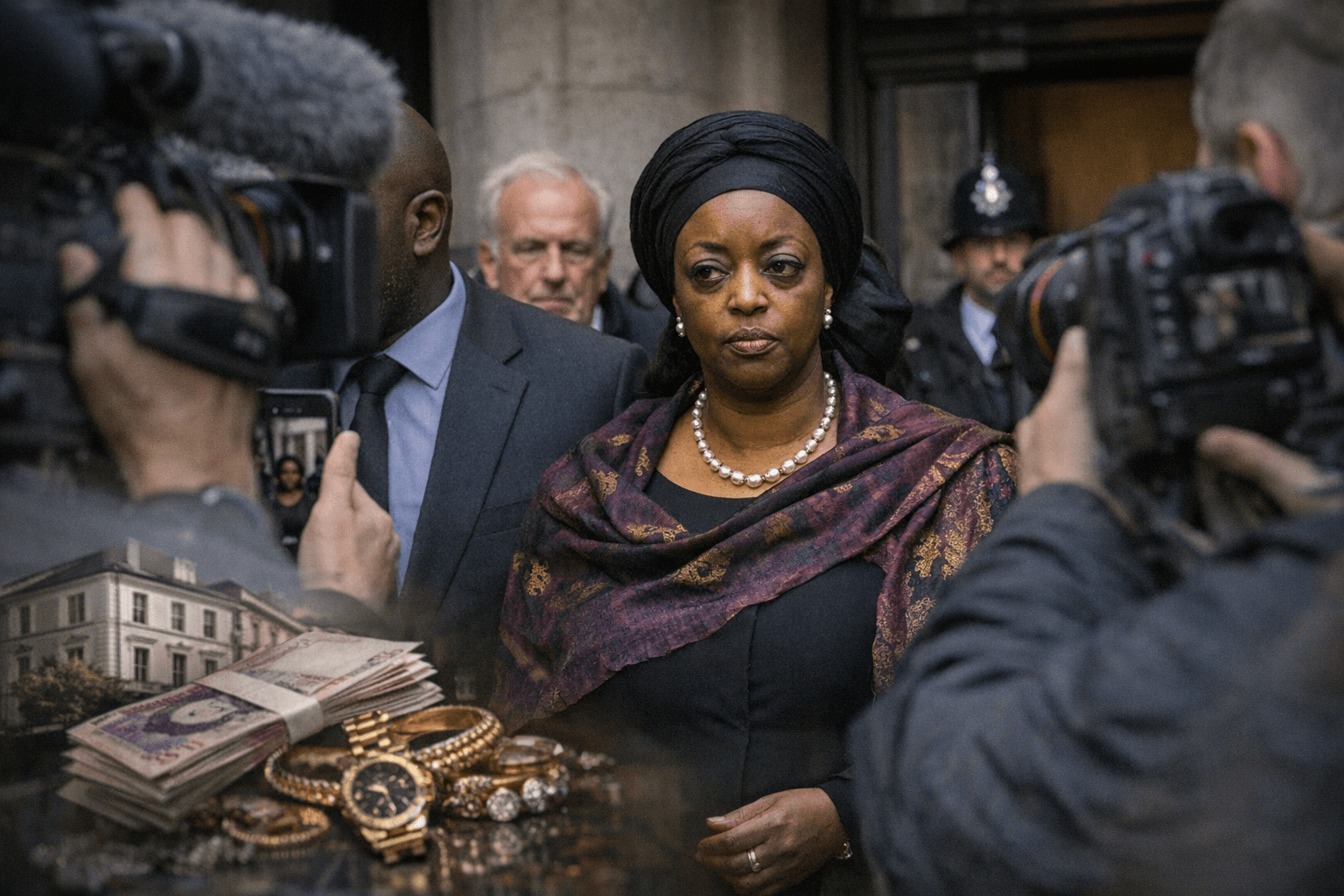
Diezani Alison-Madueke denied bribery allegations in Southwark Crown Court on Monday, putting Nigeria’s former petroleum minister at the center of a London case that reaches far beyond one official’s conduct. Prosecutors say the alleged kickbacks moved through British property, luxury retailers and cash, making the trial a rare test of how global dirty money can be traced back into a courtroom.
The case has been filed in London because the alleged benefits were not confined to Nigeria. Prosecutors say Alison-Madueke benefited from multimillion-pound homes in the United Kingdom, along with private jet flights, chauffeur-driven cars, luxury shopping and at least £100,000 in cash. She faces five counts of accepting bribes and one count of conspiracy to commit bribery. The charges relate to her time as Nigeria’s petroleum minister from 2010 to 2015, when she also held influence over the Nigerian National Petroleum Corp. and related state energy entities.
In court, Alison-Madueke denied abusing her office and said she never asked for, took or sought bribes from anyone tied to the case. She argued that travel arrangements and financial dealings for work trips were handled by the national oil company and that services arranged for her were later reimbursed. The defense has also said the case came after a long delay and that material helpful to her preparation was not available.
Prosecutors have described a spending pattern that, they say, matched the scale of the alleged corruption. The allegations include shopping trips worth hundreds of thousands of pounds at high-end London retailers, about £2 million spent at Harrods, and as much as £140,000 on a single day for furniture, bespoke lighting and decorative art. They also say the benefits included school fees for her son, underscoring how alleged proceeds from public contracts can be converted into private advantage through the British financial and property markets.
The National Crime Agency charged Alison-Madueke in August 2023 and said the investigation was carried out with Nigeria’s Economic and Financial Crimes Commission and the London-based International Anti-Corruption Coordination Centre. She has denied wrongdoing and has been on bail in the United Kingdom since then. The wider record around her case already includes a 2017 Nigerian money-laundering case tied to allegations of payments meant to influence the 2015 election, more than $53 million recovered by the U.S. Department of Justice in March 2023, and a January 2025 U.S.-Nigeria agreement to repatriate about $52.88 million in forfeited assets linked to Alison-Madueke and her associates.
That is why the London trial matters. It is not only about whether one former minister accepted illegal payments. It is about how political power, oil wealth and cross-border enforcement intersect, and whether British courts can help expose the systems that let alleged bribery travel across jurisdictions before accountability catches up.
This article was produced by Prism’s automated news system from verified source data, official records, and press releases, then run through automated quality and moderation checks before publishing. The system is built and supervised by the people who set the standards it runs under. Read our full AI policy.
Did this article answer your question?


