Wylfa chosen for UK's first small modular reactor nuclear power station
Wylfa’s SMR is Britain’s energy-security test: can it prove nuclear power can be delivered faster, cheaper and at scale while creating lasting jobs?
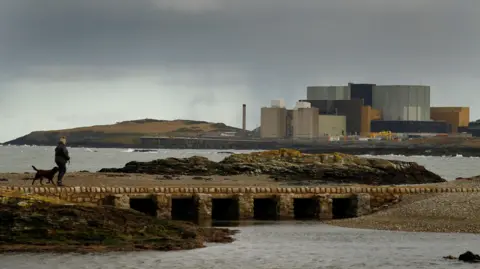
Britain has chosen Wylfa on Anglesey for its first small modular reactor nuclear power station, turning the North Wales site into a test of whether a new nuclear model can avoid the delays and cost overruns that have dogged larger projects. Great British Energy – Nuclear signed the contract with Rolls-Royce SMR on 13 April 2026, formally beginning design work on the first three reactors and putting the government’s clean energy mission on a more concrete footing.
The planned station is meant to deliver up to 1.5GW of low-carbon power, with each Rolls-Royce SMR producing about 470MW and, the company says, enough electricity for around one million homes for at least 60 years. Ministers have said the project is intended to strengthen energy security as well as support long-term growth, a priority that has become more urgent as Britain tries to cut exposure to imported fuels while keeping the grid reliable through the energy transition.
The jobs numbers are central to the political and economic case. Rolls-Royce says the wider SMR programme will support around 8,000 jobs across Britain, while the Wylfa project could support up to 3,000 jobs at peak construction locally. The government has linked that industrial promise to its wider plan for a clean energy superpower, backed by £2.6 billion in the 2025 Spending Review to enable the contract and wider programme delivery.
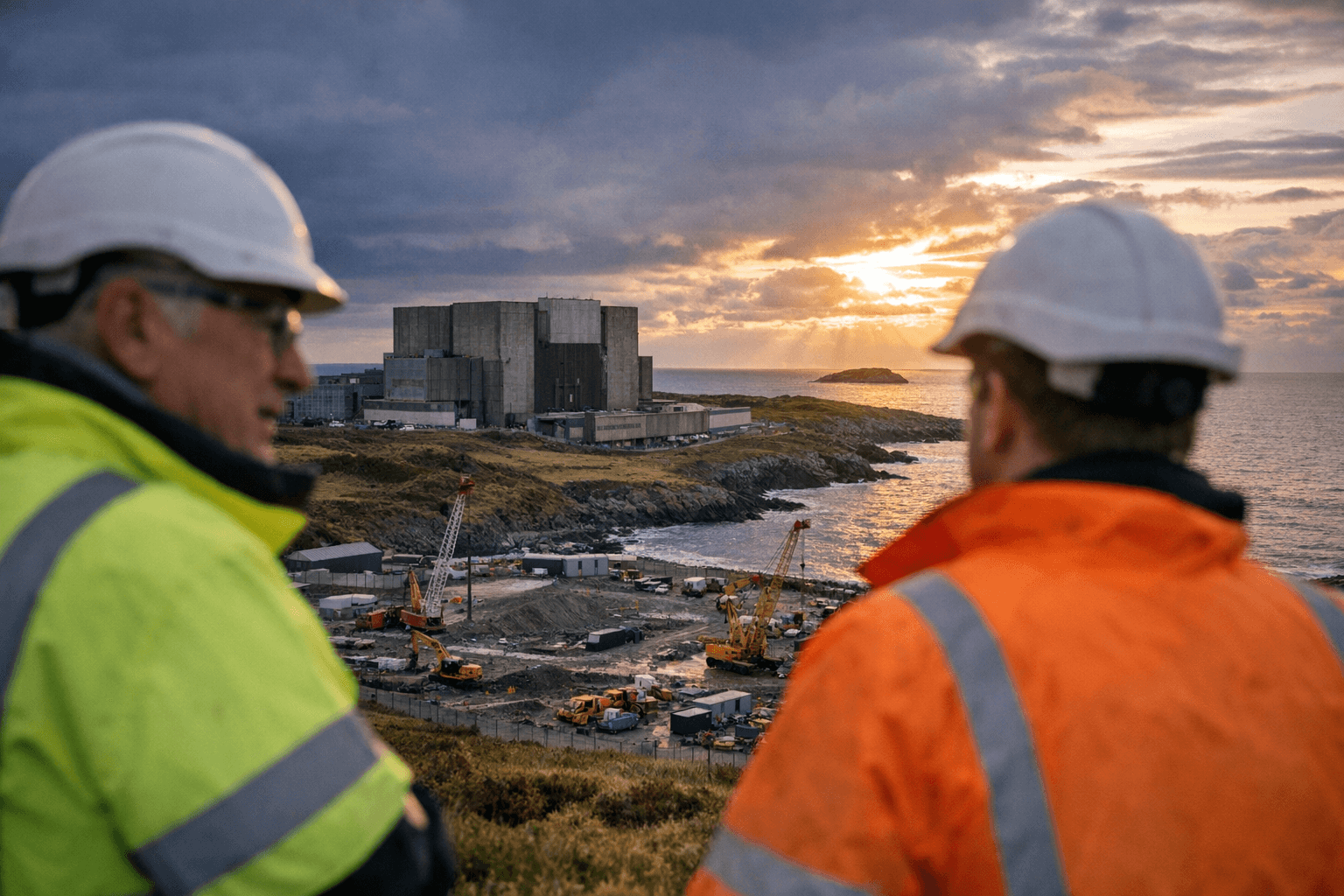
Wylfa’s selection also carries symbolic weight. The UK government announced the site on 13 November 2025 after Rolls-Royce SMR was chosen in June 2025 as the preferred technology partner following a two-year competition. The original Wylfa station closed in 2015 after 46 years of operation, so the new project returns nuclear power to a location with deep industrial history and an existing public memory of what the site has already contributed.
Welsh councils and other local and regional bodies have welcomed the announcement as an important step for north-west Wales, but the commercial test is only starting. Planning, environmental assessment and public consultation still lie ahead, and the real measure of success will be whether Wylfa becomes a repeatable blueprint for British nuclear delivery, or another headline that never fully escapes the construction phase.
This article was produced by Prism’s automated news system from verified source data, official records, and press releases, then run through automated quality and moderation checks before publishing. The system is built and supervised by the people who set the standards it runs under. Read our full AI policy.
Did this article answer your question?