Australia warns of strong El Niño, raising drought and farm risk
Australia's weather bureau sees a strong El Niño taking shape, a shift that could cut rain, squeeze grain and beef output, and rattle food prices far beyond the Pacific.
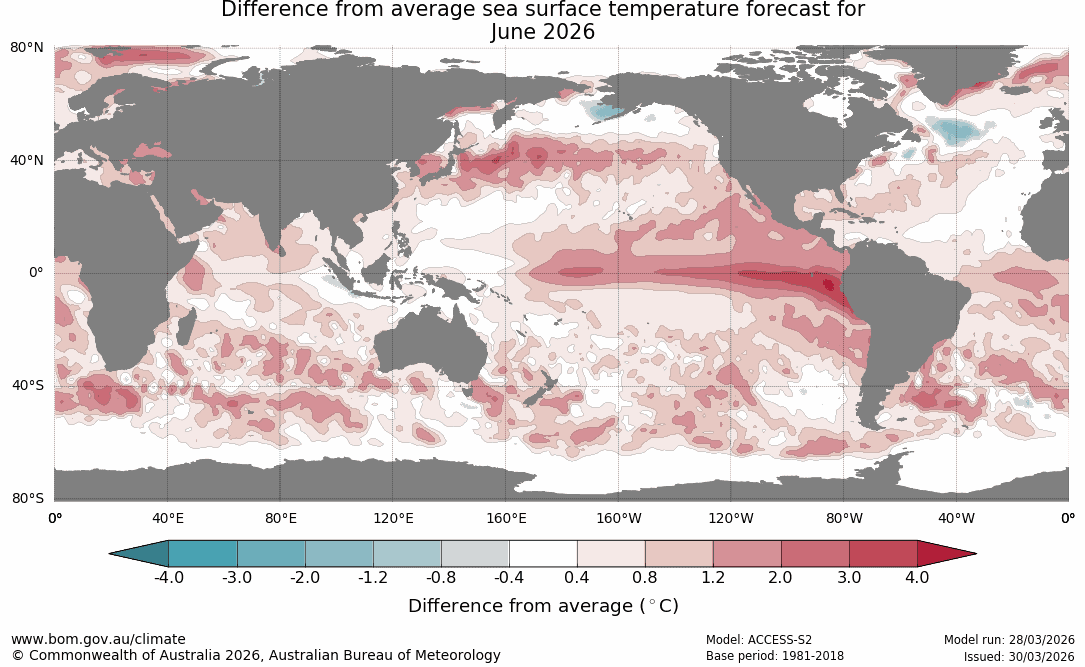
Australia's Bureau of Meteorology warned on June 16 that El Niño was underway in the tropical Pacific, with the potential to intensify into one of the strongest events in decades. The signal is already visible in trade winds, pressure patterns and cloud formation, and forecasters say the warming in the central tropical Pacific points to a strong to very strong episode.
The stakes are high because El Niño can scramble rainfall in Australia, where dry spells quickly hit farm output. Australia is one of the world's largest exporters of wheat, sugar and beef, so a slump in production can travel well beyond the continent, tightening supplies in regional and global food markets and adding pressure to prices.
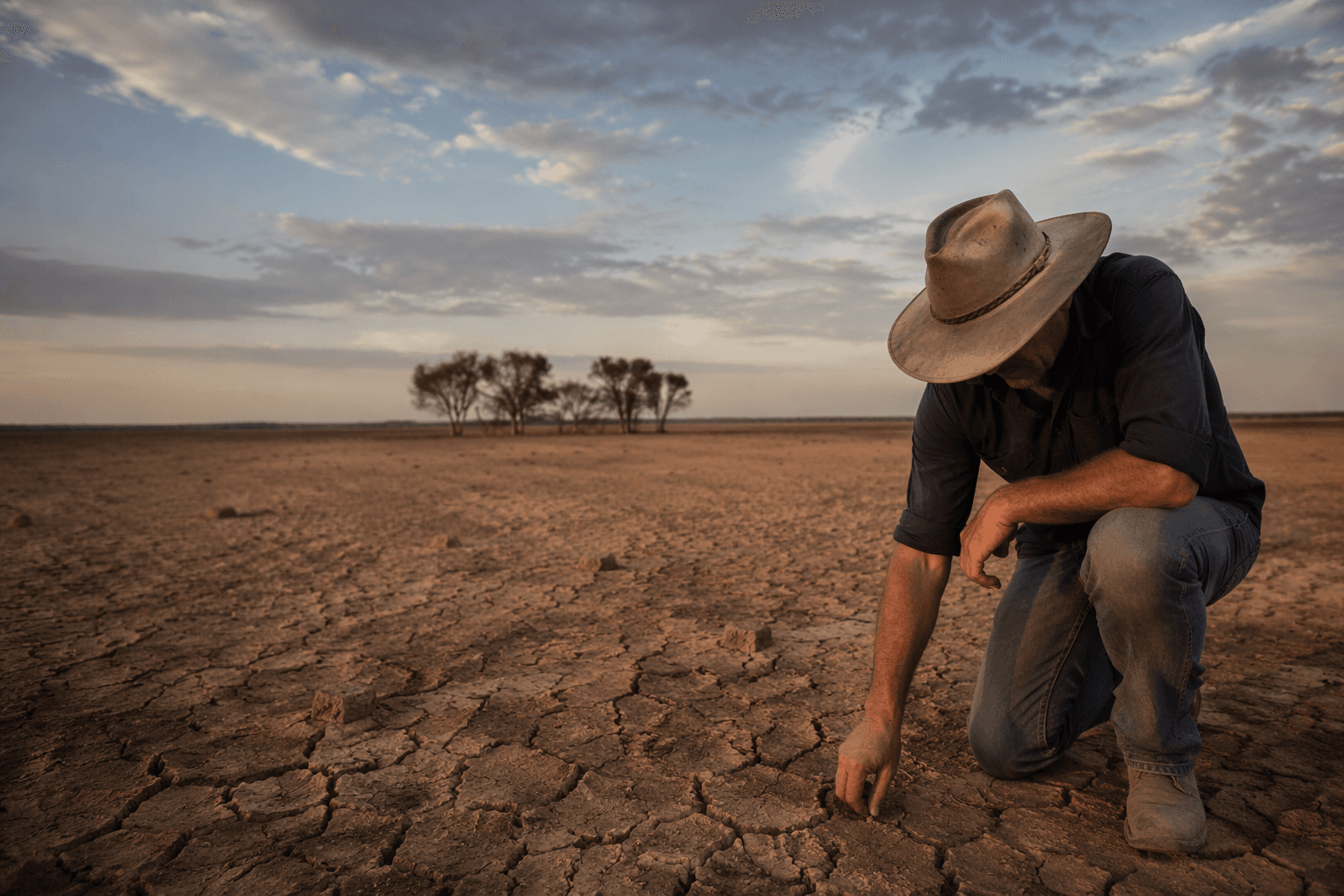
The warning carries extra weight because Australia has been through this before. The strong El Niño of 2015 and 2016 brought widespread drought and cut grain and oilseed output, a reminder that the climate pattern is not just a seasonal inconvenience but a direct threat to export volumes, farm incomes and rural balance sheets. For growers already deciding what to plant and how much water to hold back, the timing matters as much as the size of the event.
The risk does not stop at the farm gate. Strong El Niño events can reshape weather across the Pacific basin and beyond, changing water supplies, crop yields and fire risk in multiple countries. That broad reach is why the bureau's outlook matters to commodity traders, food processors and policymakers as much as to farmers: it raises the odds of supply stress, higher import bills and more complicated disaster planning if drought spreads.
The economic consequences could build in stages. Early losses would likely show up in planting decisions, pasture conditions and reservoir levels, followed by lower harvests and tighter livestock supplies if the event deepens. Later, the strain could filter into food inflation and public spending as governments weigh drought support, water management and emergency preparedness. If forecasts of a decades-strong event hold, the next few months will test how quickly producers and officials can adapt before the climate shock turns into a broader market shock.
This article was produced by Prism’s automated news system from verified source data, official records, and press releases, then run through automated quality and moderation checks before publishing. The system is built and supervised by the people who set the standards it runs under. Read our full AI policy.
Know something we missed? Have a correction or additional information?
Submit a Tip