Australia weighs tougher gas taxes as LNG export profits soar
War in Iran has turned Australia’s gas windfall into a tax fight, as LNG exports hit near-record levels and critics demand a bigger public return.
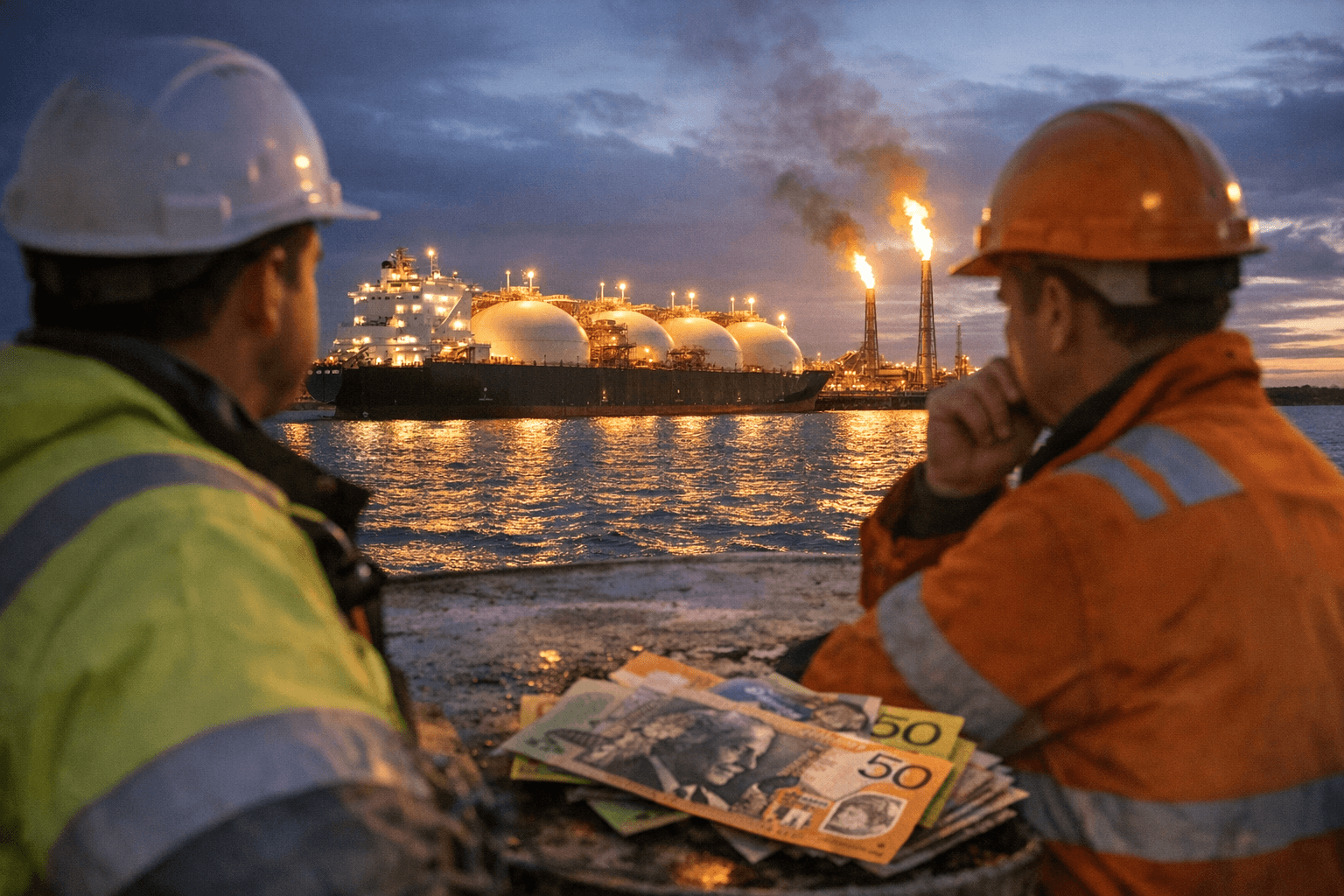
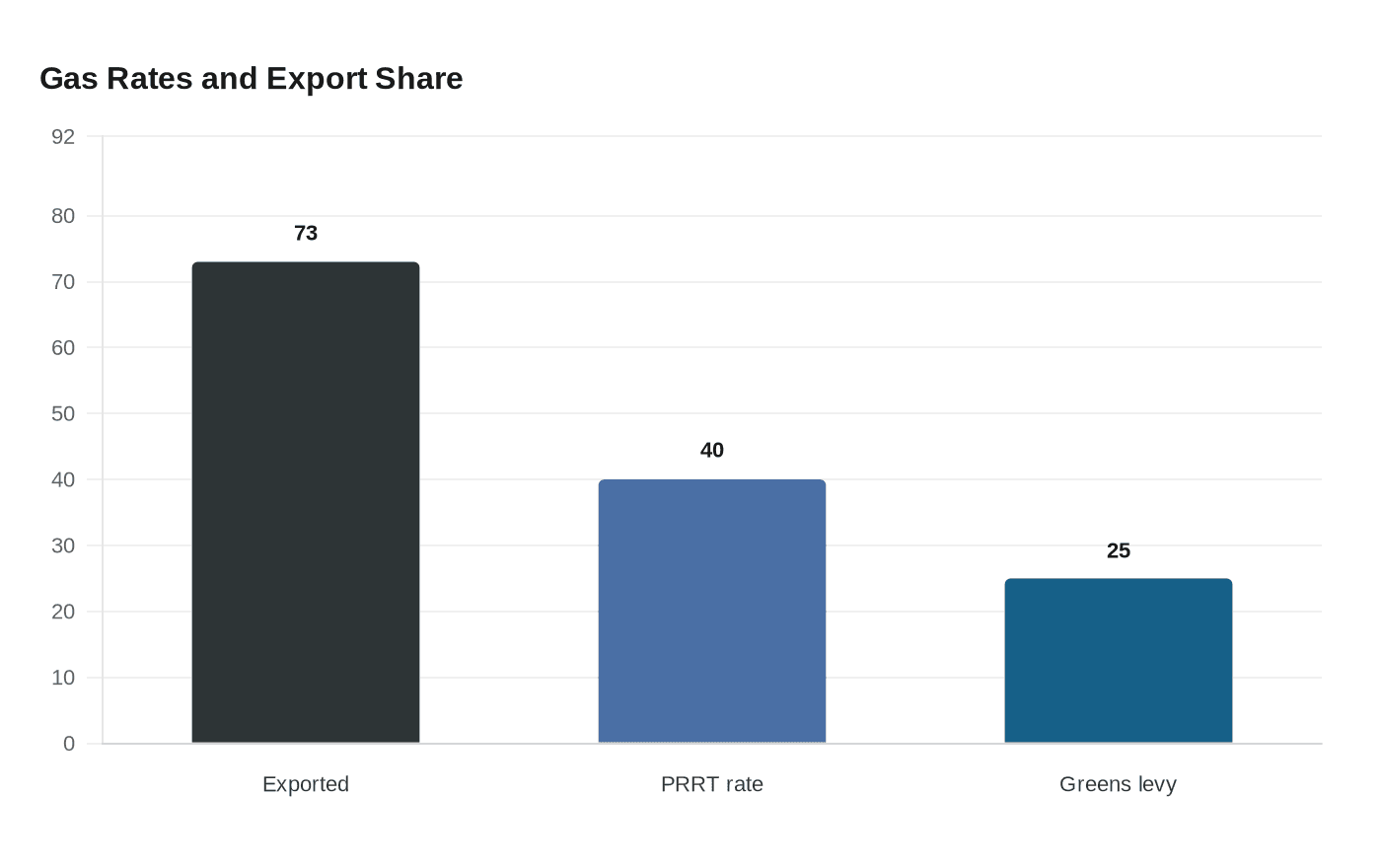
Australia’s biggest gas exporters are under fresh pressure as the war in Iran sends global prices higher and sharpens an old question: how much of the windfall should flow back to the public. With Australia ranking third in the world for liquefied natural gas exports in 2022-23, behind the United States and Qatar, and about 73% of all gas produced here shipped overseas, the stakes now reach from federal revenue to household bills.
The country’s energy export earnings hit a record A$238.7 billion in 2023-24, driven largely by LNG and thermal coal, even as critics say the tax system still gives offshore producers too soft a deal. The main federal levy, the Petroleum Resource Rent Tax, is a 40% profit-based tax that applies to offshore petroleum projects, while onshore oil and gas pay state and territory royalties. The Australian Taxation Office says a deductions cap has applied to certain LNG producers since 1 July 2023, and new PRRT Assessment Regulations were registered on 6 August 2024 after Treasury’s review of gas transfer pricing.
Treasury’s final report on that review, released on 7 May 2023, said the goal was to secure a fairer return from offshore LNG projects without damaging investment incentives or future supply. Even so, the public return remains a point of contention. The PRRT transparency population for 2023-24 covered 16 entities, with total PRRT payable of A$1.4833 billion, a figure that has fueled claims that multinational producers are earning billions while contributing too little tax.
The debate has intensified since the Senate agreed on 30 March 2026 to form the Select Committee on the Taxation of Gas Resources. Submissions closed on 13 April 2026, and the committee is due to report on 7 May 2026. Its terms of reference explicitly include the effect of the Middle East conflict on gas prices, LNG profitability, household and business costs, and possible alternative tax arrangements.
The Greens and environment groups have pushed a 25% levy on gas exports, arguing Australia should capture more of the upside from soaring prices. Industry and business groups say the opposite, warning that tougher taxes could deter investment, threaten supply and push up consumer prices. Japan, Australia’s biggest gas customer, is also watching closely because it depends heavily on Australian LNG, adding an international layer to a domestic fight over tax fairness and energy security.
This article was produced by Prism’s automated news system from verified source data, official records, and press releases, then run through automated quality and moderation checks before publishing. The system is built and supervised by the people who set the standards it runs under. Read our full AI policy.
Did this article answer your question?

