Australian court awards record $150 million to Yindjibarndi over mining damage
A Federal Court ruling awarded the Yindjibarndi A$150.1 million, including A$150 million for cultural loss, in Australia’s biggest native title payout.
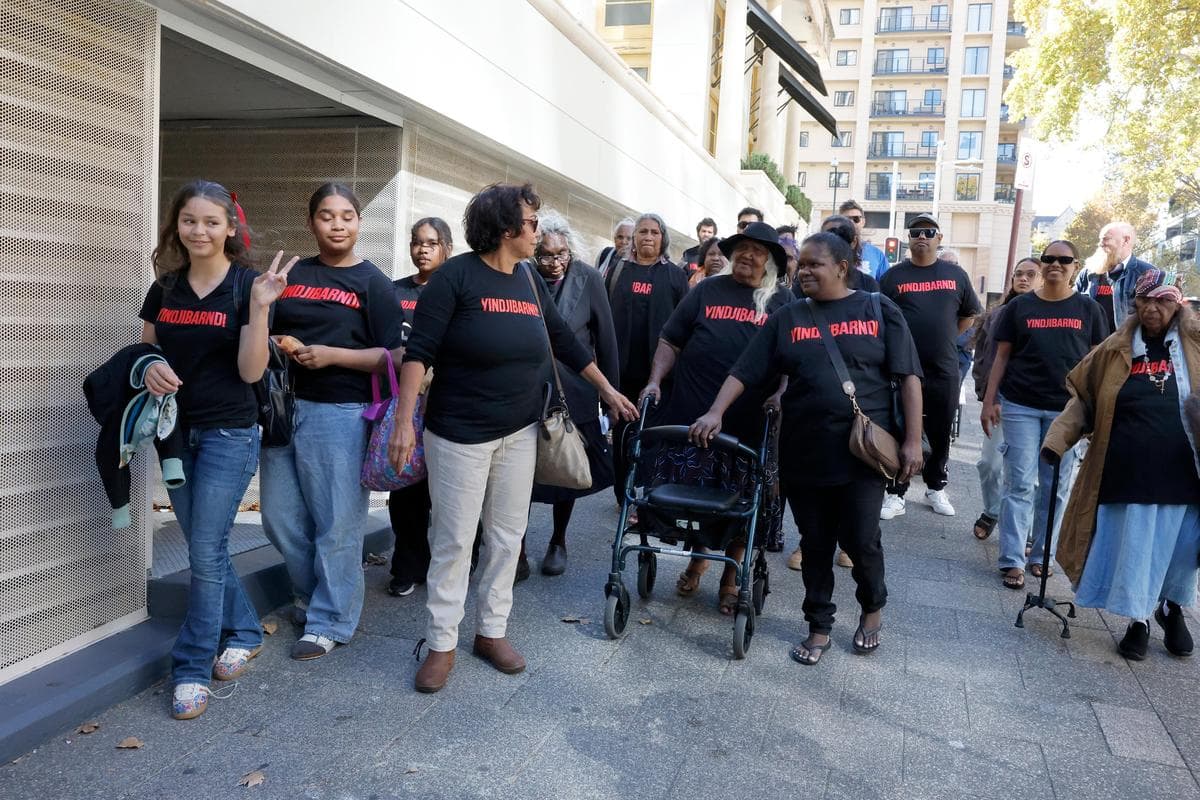
The Federal Court has put a dollar figure on the destruction of Yindjibarndi Country, awarding A$150.1 million to the Yindjibarndi Ngurra Aboriginal Corporation and turning a long fight over a Pilbara iron ore mine into a national test of native title law.
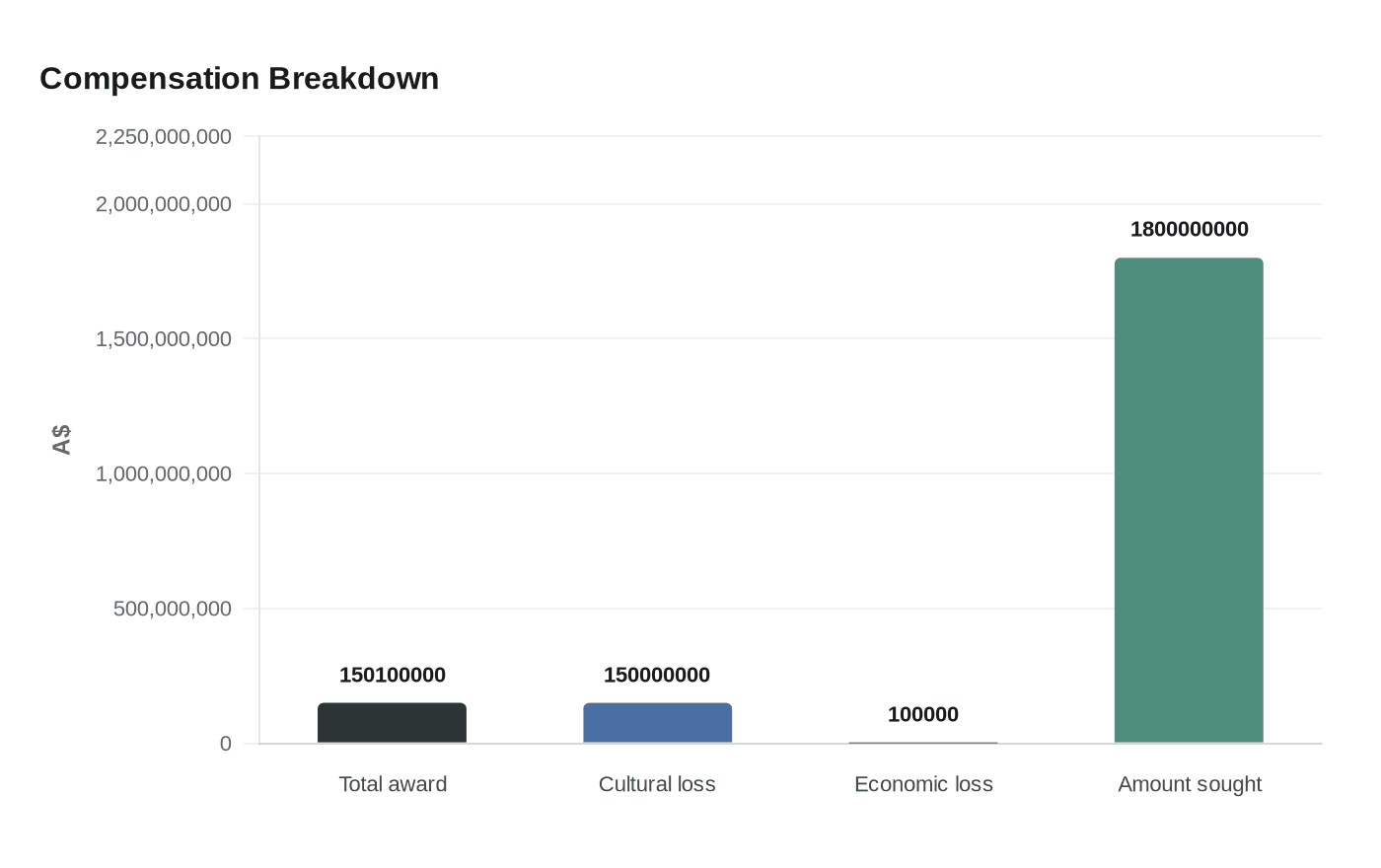
Justice Stephen Burley’s ruling in Perth on Tuesday gave A$150 million for cultural loss and about A$100,000 for economic loss, far below the A$1.8 billion the Yindjibarndi had sought but still the largest native title compensation payout ever ordered in Australia. The case, WAD37/2022 Yindjibarndi Ngurra Aboriginal Corporation RNTBC v State of Western Australia & Others, was only the third time the Federal Court has ruled on the amount of compensation payable to native title holders.
The compensation arises from Fortescue’s Solomon Hub iron ore operations near Roebourne in Western Australia’s Pilbara, where the Yindjibarndi say more than 250 cultural sites were damaged or destroyed. They also say about 75% of the mine’s 400-square-kilometre footprint overlaps the Yindjibarndi native title determination area. The Yindjibarndi were granted exclusive native title over the area in 2017, after years of dispute over access, royalties and land use.
The conflict stretches back to a 2010 royalty deal between Fortescue and the breakaway Wirlu-Murra Yindjibarndi Aboriginal Corporation, after Yindjibarndi leaders rejected Fortescue’s offer. The compensation case itself began in 2022, but it has carried the weight of a much older struggle over who had the right to decide what happened on Country.
Burley’s award is significant not only for its size but for what it says about the cost of cultural harm. The court treated damage to sacred and culturally significant places as a major compensable injury, not a symbolic loss, and that approach is likely to echo through future resource disputes across Australia. Yindjibarndi lawyers said the judgment could shape native title compensation law nationwide, especially in cases where companies seek approvals for projects overlapping Indigenous land.
Fortescue said it accepted the Yindjibarndi people were entitled to compensation and said it would review the court’s reasons when they are published. Yindjibarndi elders, however, said the payout was “peanuts” compared with the wealth Fortescue had generated from the mine. That gap between corporate profit and cultural loss is now at the centre of one of the most closely watched native title rulings in the country.
This article was produced by Prism’s automated news system from verified source data, official records, and press releases, then run through automated quality and moderation checks before publishing. The system is built and supervised by the people who set the standards it runs under. Read our full AI policy.
Did this article answer your question?


