Iran’s internet blackout crushes businesses, deepens economic pain nationwide
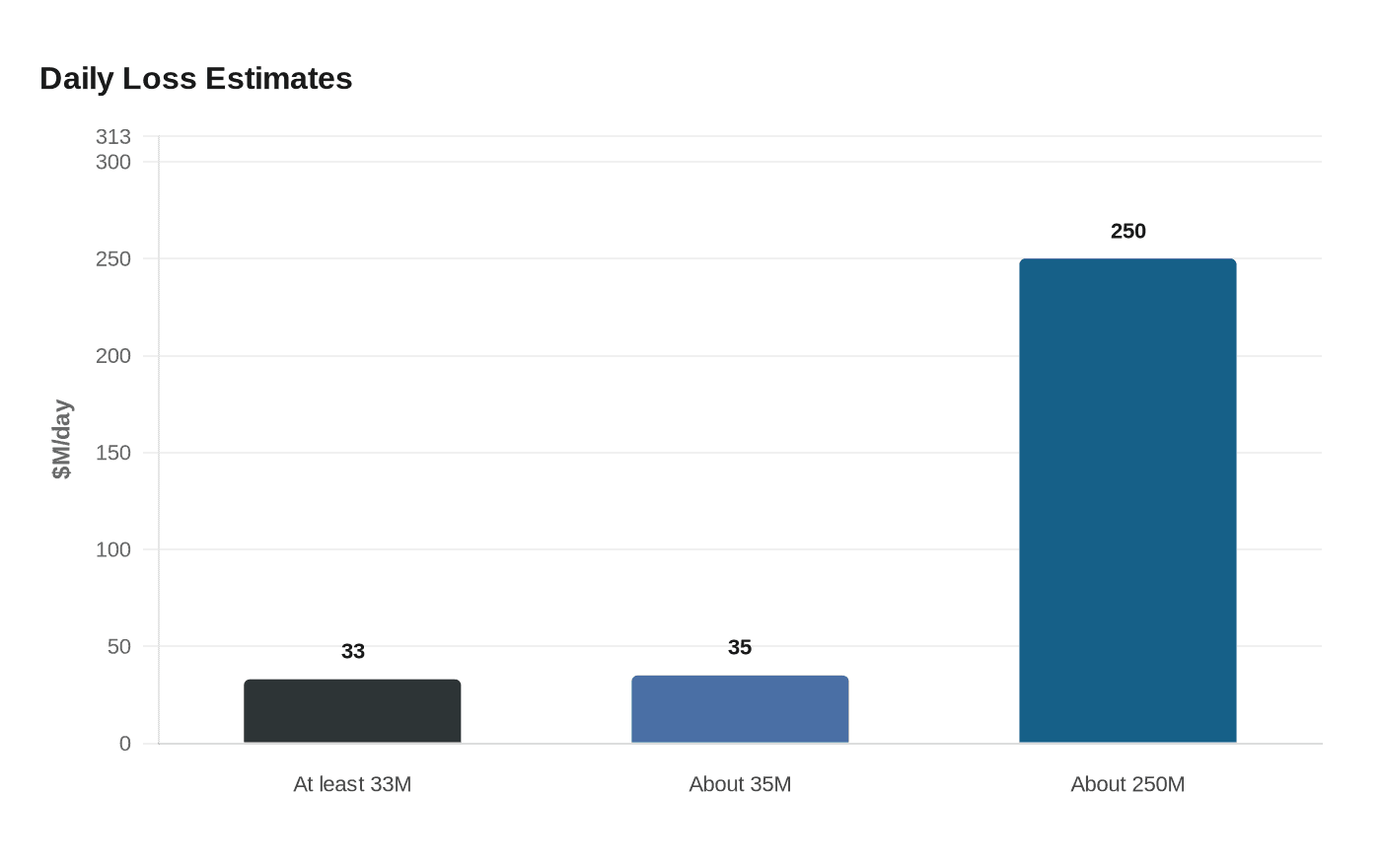
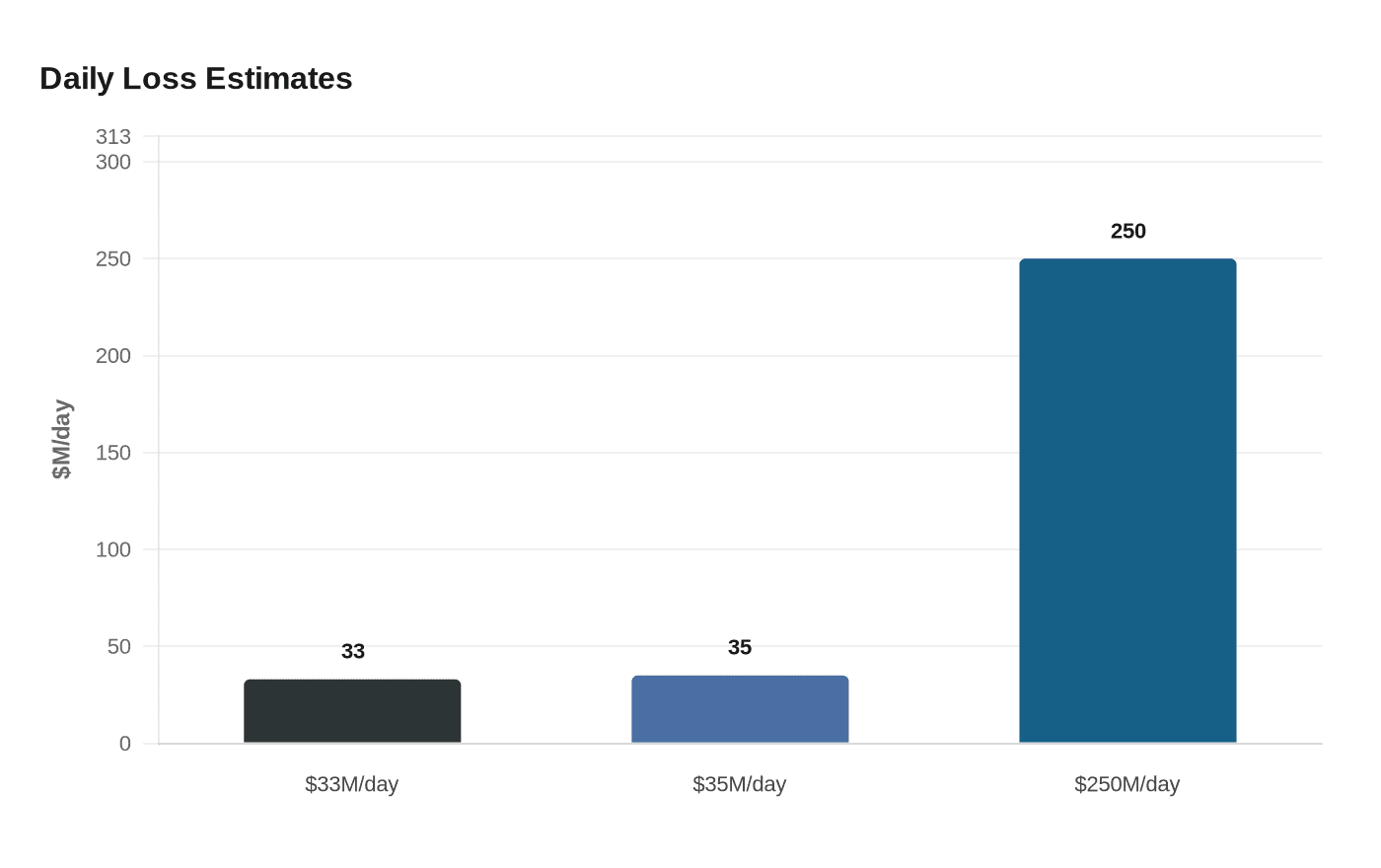
Iran’s internet blackout is draining cash from businesses, with daily losses estimated from $33 million to as much as $250 million.
Iran’s blackout is doing more than silencing dissent. It is choking the payments, sales and communications that keep small businesses alive, turning censorship into a nationwide economic shock for more than 90 million people.
Authorities cut off communications across the country on the night of Jan. 8, during nationwide protests, and by early February most of Iran still could not freely connect to the global internet. The shutdown has left online commerce, financial transactions and basic business communications badly damaged, with fashion, fitness, advertising, retail, travel and tech firms seeing revenues evaporate as access stayed restricted through much of 2026.
The scale of the losses has been severe. Sattar Hashemi, Iran’s ICT minister, said the economy was losing at least 50 trillion rials, about $33 million, every day during the earlier blackout. Later estimates from other reporting and industry groups pushed the daily damage higher, ranging from about $35 million to $250 million, with some officials and business figures saying the total losses were already in the billions.
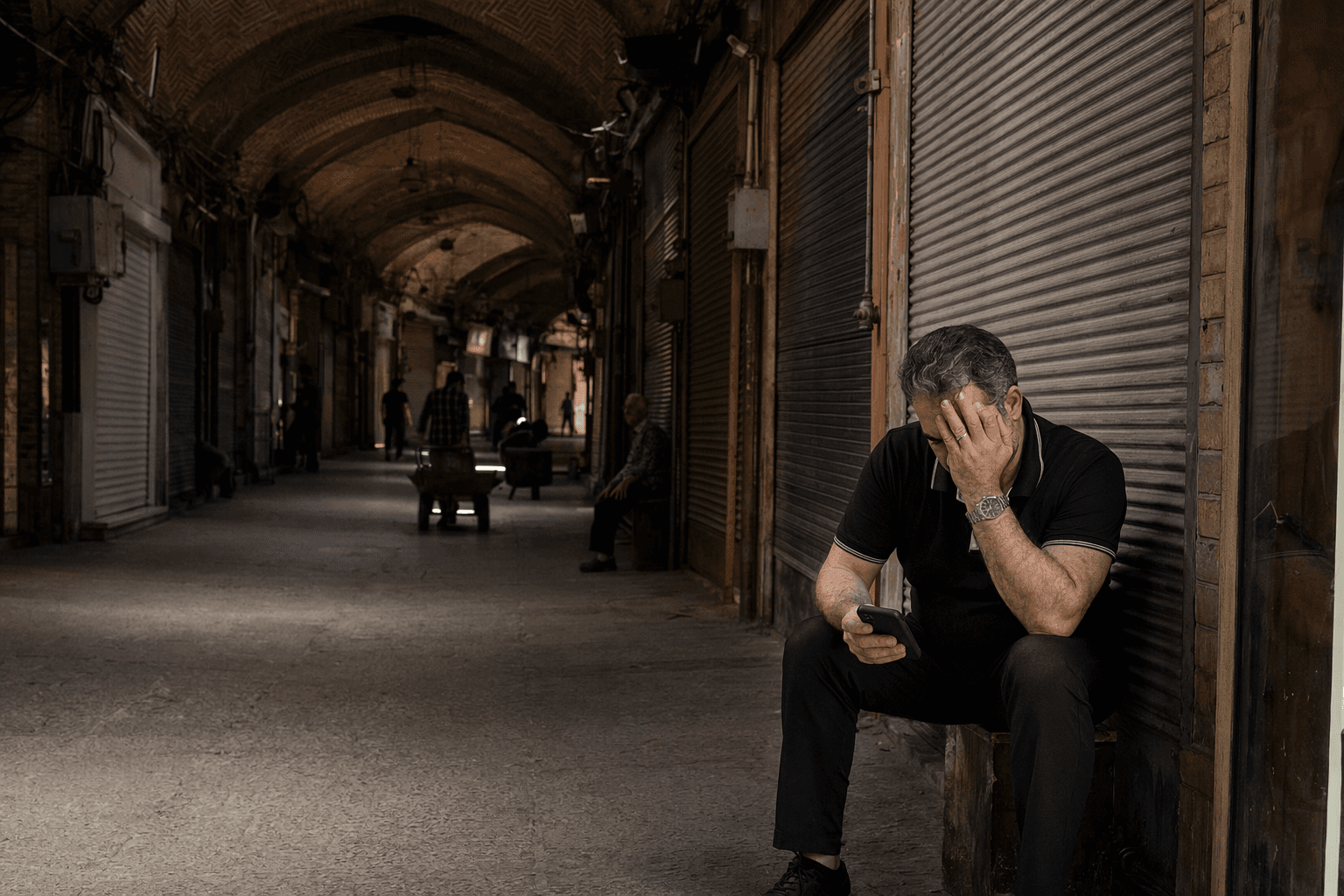
The pain has not been confined to balance sheets. Bloomberg reported that private businesses were facing mass layoffs and closures, and industry sources warned that as many as 3.5 million industrial jobs could be affected by the contraction linked to the shutdown. In sector after sector, the internet blackout has taken away the tools businesses use to reach customers, collect money and coordinate work, compounding an economy already battered by inflation, sanctions and years of political uncertainty.
The deeper danger is strategic. Analysts and rights-focused reporting say Tehran may be moving toward “absolute digital isolation,” building a domestic National Information Network and a white-list system that would allow only selected access to the global web. The blackout expanded after the Israel-U.S. war, reinforcing a model of state control that treats connectivity as a privilege rather than a public utility.
What is presented as security policy is also an economic weapon. In Iran, censorship is no longer just about blocking speech. It is disrupting wages, business activity and the basic machinery of commerce, leaving ordinary households to absorb the cost of a state that is tightening its grip on the internet.
This article was produced by Prism’s automated news system from verified source data, official records, and press releases, then run through automated quality and moderation checks before publishing. The system is built and supervised by the people who set the standards it runs under. Read our full AI policy.
Did this article answer your question?


