Automakers book $2.3 billion in expected tariff refunds after Supreme Court ruling
Automakers are booking $2.3 billion in expected tariff refunds, lifting first-quarter earnings before a single dollar is paid. The accounting gain comes with political risk for Donald Trump.
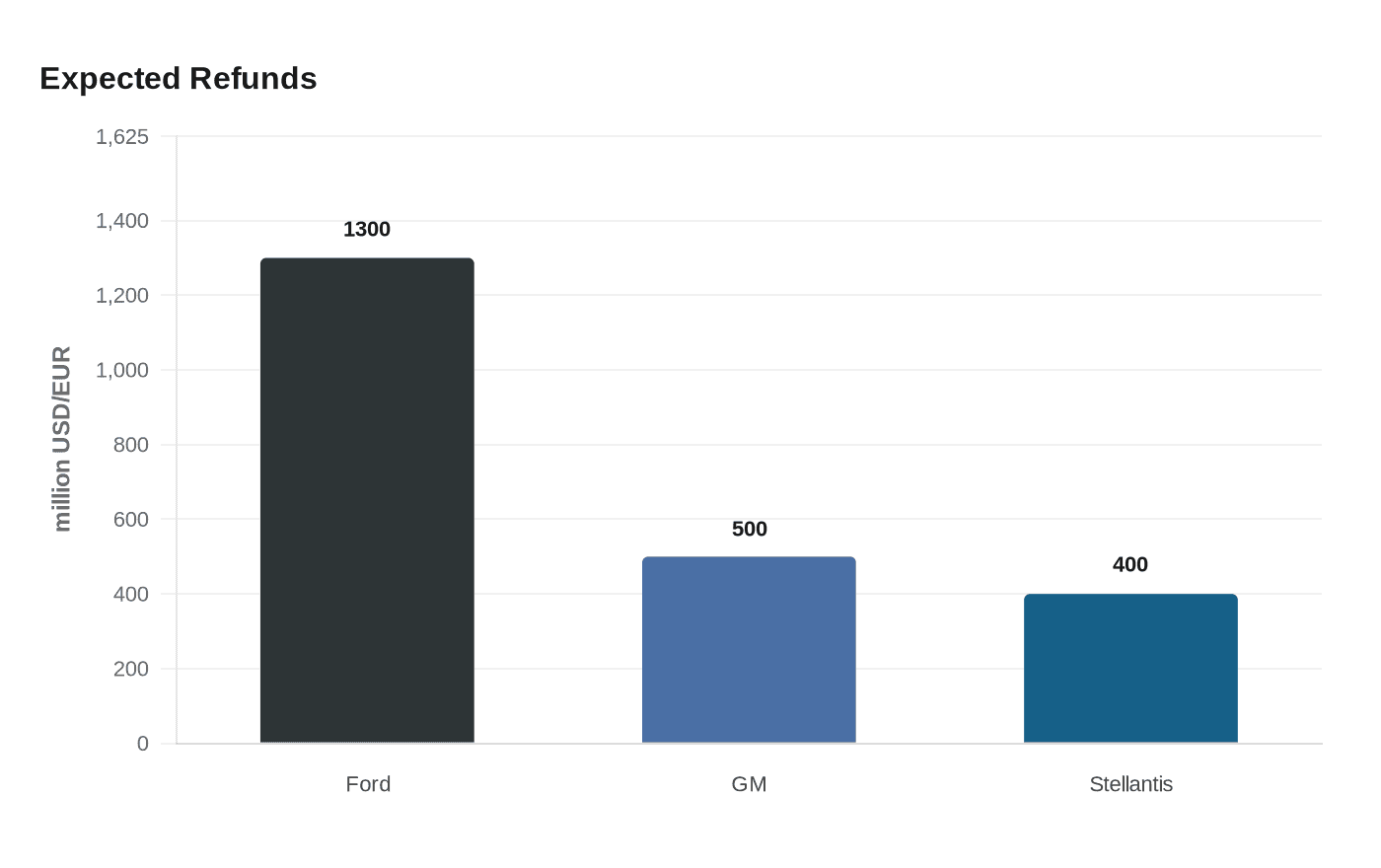
Ford, General Motors and Stellantis turned a Supreme Court tariff defeat into a first-quarter accounting gain, booking about $2.3 billion in expected refunds even though no cash has reached their balance sheets yet. The move is already boosting reported earnings on paper, but it also leaves the carmakers exposed to delays, administrative pushback and the possibility that the White House will bristle at companies trying to reclaim duties already paid.
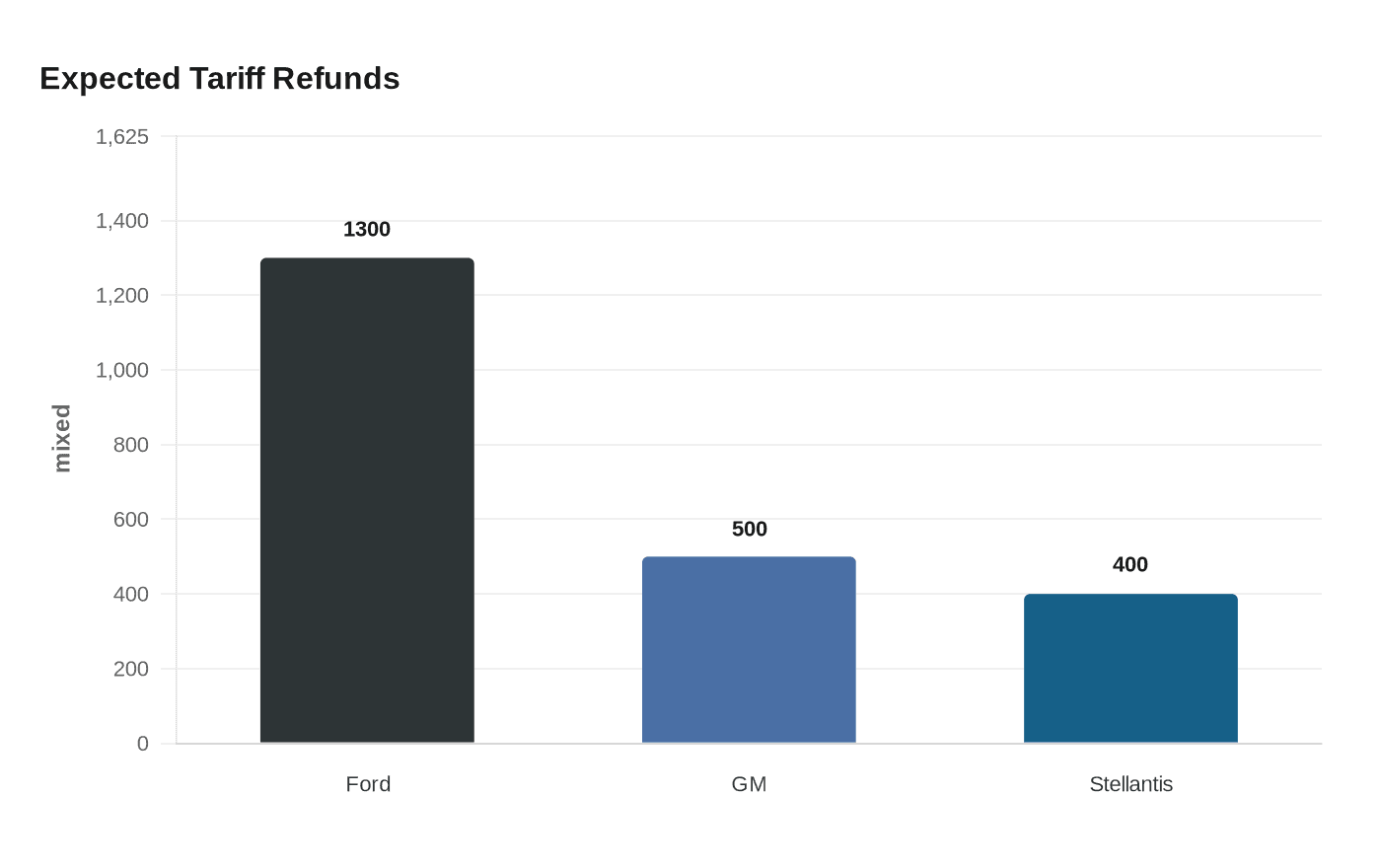
The refund wave follows the Supreme Court’s February 20, 2026 ruling in Learning Resources, Inc. v. Trump and Trump v. V.O.S. Selections, which held that the International Emergency Economic Powers Act does not authorize the president to impose tariffs. That decision invalidated Trump’s sweeping emergency duties and opened a potentially vast refund pool for importers, estimated at roughly $166 billion to $175 billion. Ford told investors it expects to recover $1.3 billion, General Motors said about $500 million, Stellantis recorded a positive first-quarter impact of roughly 400 million euros, and Mercedes-Benz also booked an expected refund. Volkswagen, by contrast, signaled that any benefit would be modest. Finance chief Arno Antlitz said any reimbursement would amount to only small double-digit millions of euros against annual tariff costs of about 4 billion euros.
The money is still hypothetical from a cash-flow perspective. Companies can recognize the refunds for accounting purposes, but they do not yet know when the government will pay or whether every claim will survive the process. U.S. Customs and Border Protection launched the CAPE portal on April 20 to process claims electronically, and court filings indicate the first refunds are expected around May 11. Even that timetable has come with friction: as of April 26, CBP had rejected about 15% of tariff refund requests.
That combination of legal relief and administrative uncertainty is reshaping how executives talk about trade policy. The refunds are inflating near-term earnings, but they also underline how deeply tariffs had already worked their way through automaker finances, from import costs to pricing plans and factory decisions. For Detroit and Berlin alike, the question is no longer only how much was paid into Washington, D.C., but how quickly, and how fully, it can come back out. For Donald Trump, the accounting gains are a reminder that the trade war is not ending cleanly, even after the Court cut down the legal basis for his tariffs.
This article was produced by Prism’s automated news system from verified source data, official records, and press releases, then run through automated quality and moderation checks before publishing. The system is built and supervised by the people who set the standards it runs under. Read our full AI policy.
Did this article answer your question?