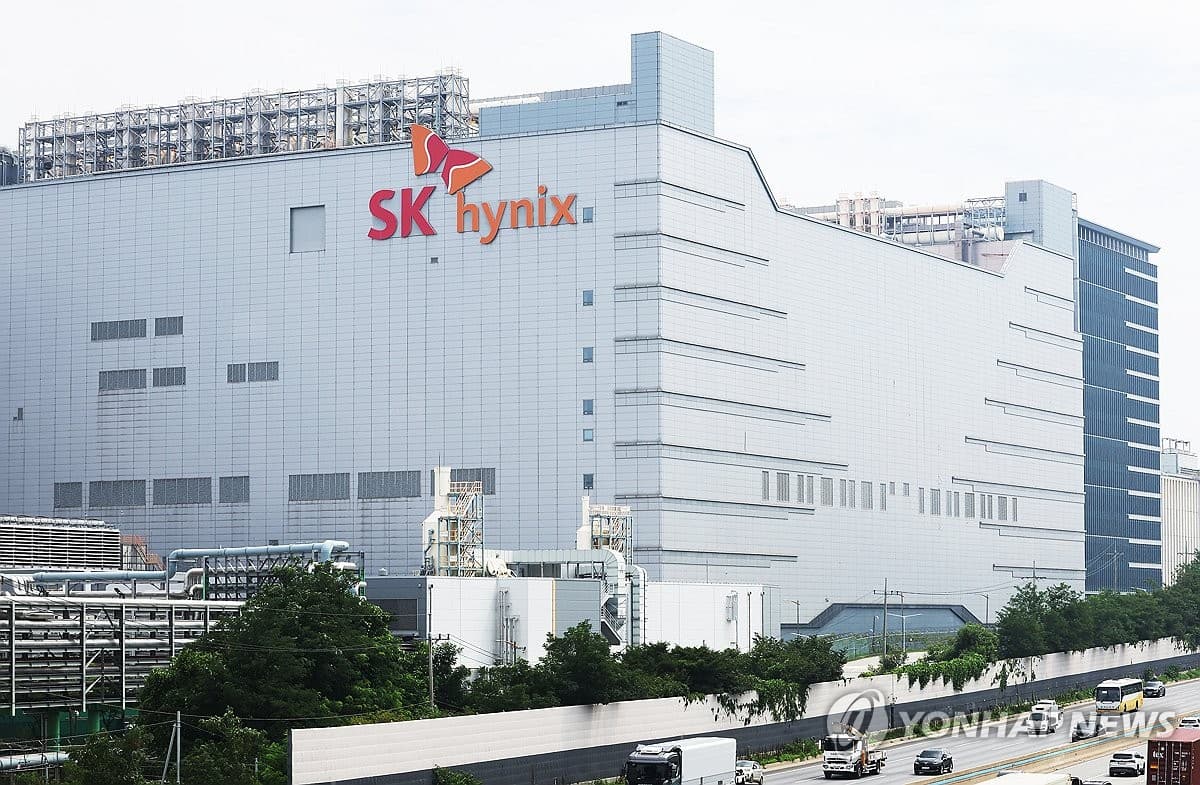
Automakers seek banking charters as Trump eases oversight
General Motors, Stellantis and Nissan want bank charters as lighter oversight opens a new path for auto finance and deposits.
General Motors, Stellantis and Nissan have moved toward banking charters as the Trump administration pares back oversight, sharpening a long-running fight over who gets to look like a bank without being regulated like one. The automakers have applied for industrial loan company charters, or ILCs, which would let them take deposits and make loans with FDIC insurance while their parent companies avoid the full Federal Reserve supervision that applies to traditional bank holding companies.
The applications fit a wider push in Washington to loosen the rules around nonbank finance. The Federal Deposit Insurance Corporation recently sought public input on how it approves ILCs and rescinded a Biden-era proposal that would have increased scrutiny of state-level ILC charters. For companies built around lending, payments or customer financing, the charter offers a valuable prize: direct access to deposits and a cheaper funding base, but without the same regulatory burden as a conventional bank.
GM Financial said its proposed bank would focus on auto lending and deposits to better serve customers and dealers. Nissan said its proposed bank would improve flexibility and help dealers access tools to grow. For automakers, the appeal is clear. Deposit-taking can lower funding costs in a business where financing drives car sales and dealer relationships, especially when consumer credit remains sensitive to rates and delinquencies.
The fight is not limited to carmakers. The Office of the Comptroller of the Currency’s digital-assets licensing page shows a growing queue of applicants in 2025 and 2026, including Payward, Agora, OpenReserve Bank, Lorum, Bastion Platforms, EDX Trust, Revolut Bank US, zerohash, PAYO Digital Bank, Morgan Stanley Digital Trust, Laser Digital and World Liberty Trust Company. Reuters reported in December 2025 that the OCC conditionally approved national trust bank charters for Circle and Ripple, and conversion applications for BitGo, Paxos and Fidelity Digital Assets. Anchorage Digital was the only digital asset company with a national trust bank charter at that time.
That momentum has triggered a backlash from banks and trade groups that see a regulatory double standard. In July 2025, the American Bankers Association, America’s Credit Unions, the Consumer Bankers Association, the Independent Community Bankers of America and the National Bankers Association asked the OCC to postpone decisions on crypto-firm trust-bank applications, arguing the public filings did not give enough information for meaningful review. On May 19, 2026, Senator Elizabeth Warren said the OCC had approved at least nine national trust charters for crypto companies since December 2025 and warned that the approvals could let them act like banks while sidestepping fundamental safeguards.
The broader concern reaches beyond crypto. The ICBA says commercial ownership of ILCs has a history of failure, pointing to the 2008 collapse and bailout of GMAC, now Ally. With only four new bank charters approved in a recent year, compared with an average of 144 a year from 2000 to 2007, critics say Washington is creating a system of exceptions that could redraw the boundary between banking and commerce one charter at a time.
This article was produced by Prism’s automated news system from verified source data, official records, and press releases, then run through automated quality and moderation checks before publishing. The system is built and supervised by the people who set the standards it runs under. Read our full AI policy.
Know something we missed? Have a correction or additional information?
Submit a Tip