Markets rally on Iran truce hopes, oil falls as Hormuz deal looms
Oil slid below $99 and stocks jumped as traders bet a fragile U.S.-Iran truce could reopen Hormuz and ease pressure on fuel prices.

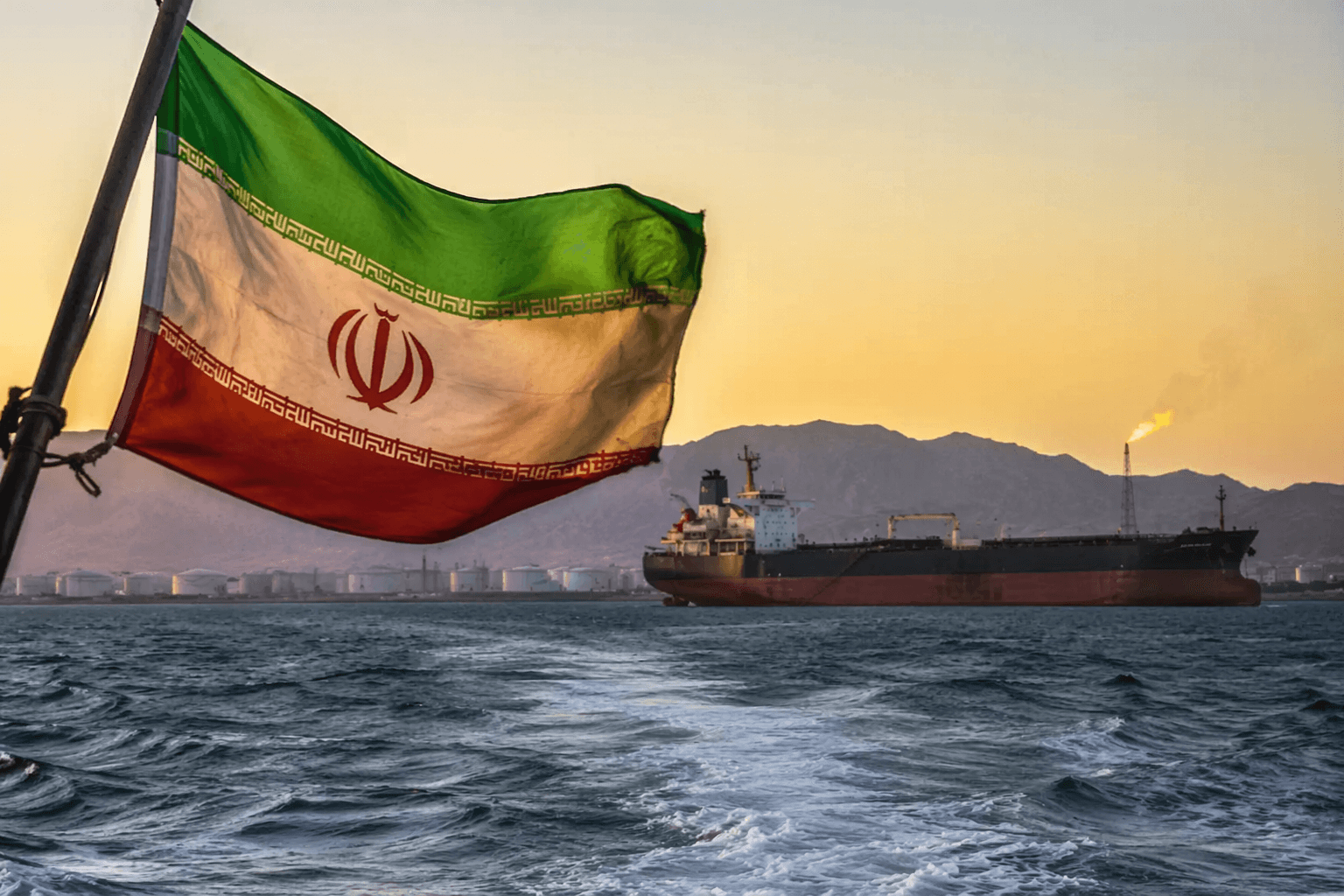
Relief at the gas pump may be the first thing markets are pricing in, but the bigger story is how quickly that relief could vanish. Shares surged and the U.S. dollar weakened as traders bet that a fragile U.S.-Iran truce could eventually reopen the Strait of Hormuz, the chokepoint that normally carries about one-fifth of global oil and liquefied natural gas shipments. Brent crude fell more than $5, or about 4.9%, to $98.45 a barrel, while West Texas Intermediate slipped to $91.67, also down about 4.9%.
The move matters because Hormuz is not just a shipping lane, it is a pressure valve for inflation. When crude falls, gasoline, diesel and heating costs usually follow, easing the squeeze on U.S. households and firms already sensitive to energy bills. But the market’s reaction also showed how brittle the calm remains. Donald Trump said on Sunday that he told his representatives not to rush into any deal with Iran, even after saying a day earlier that Washington and Tehran had “largely negotiated” a memorandum of understanding to reopen the waterway.
The latest price action followed a sharp swing on May 19, when JD Vance said the United States and Iran had made progress in talks and Trump said he was holding off on a military strike that had been scheduled for the next day. Oil settled lower then, while Washington also imposed sanctions on an Iranian foreign currency exchange house, front companies handling transactions for Iranian banks, and 19 vessels accused of moving Iranian petroleum and petrochemicals. Analysts said the market was reacting headline by headline, with the tone from Washington and Tehran driving crude, currencies and risk appetite in tandem.
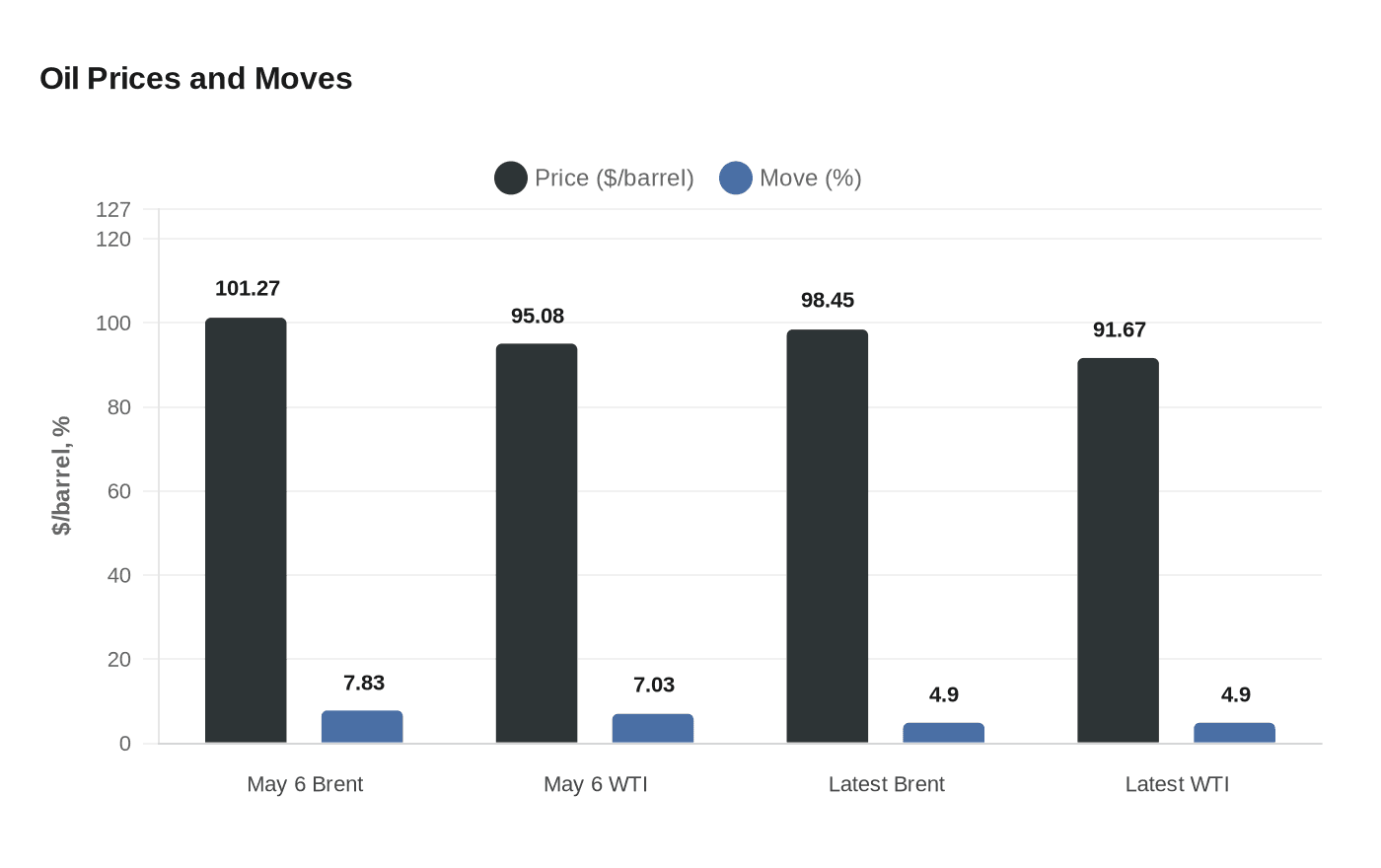
The volatility has been even more violent over the past month. On May 6, Brent fell $8.60, or 7.83%, to $101.27 a barrel and WTI lost $7.19, or 7.03%, to $95.08 as reports emerged that the two sides were nearing an initial peace deal. NBC News said U.S. crude dropped as much as 15% intraday to $88 and Brent as much as 11% to $96, while wholesale gas prices fell 5% and heating oil dropped 6%.
A month earlier, a two-week ceasefire announcement sent Brent down about 13% to below $95 a barrel, but shipping through Hormuz remained largely restricted and more than 800 vessels were stranded. U.S. government estimates put more than 9 million barrels a day of regional output offline in April. That is why traders still expect oil to stay elevated even if diplomats strike a deal: the deeper test is whether tanker traffic, refinery runs and regional supply chains can normalize before the next breakdown sends crude back above $100.
This article was produced by Prism’s automated news system from verified source data, official records, and press releases, then run through automated quality and moderation checks before publishing. The system is built and supervised by the people who set the standards it runs under. Read our full AI policy.
Know something we missed? Have a correction or additional information?
Submit a Tip