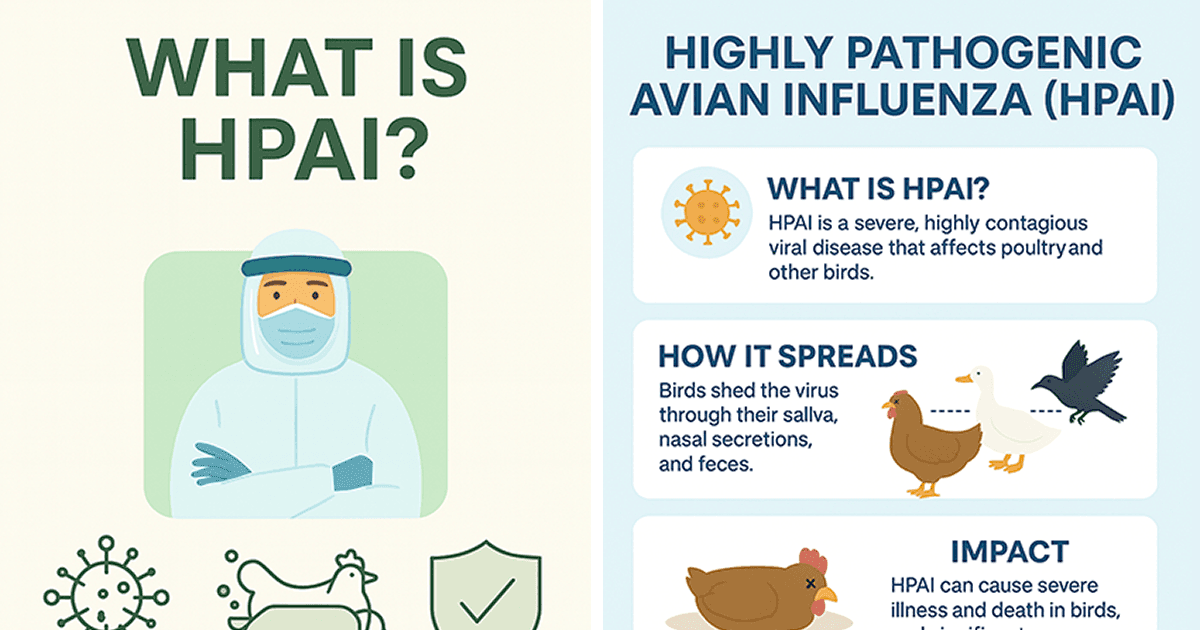
Avian Disease Testing: Proactive Steps Every Bird Owner Should Know
Avian disease testing helps reveal hidden infections in pet birds, guiding quarantine and care to protect individual birds and whole households.
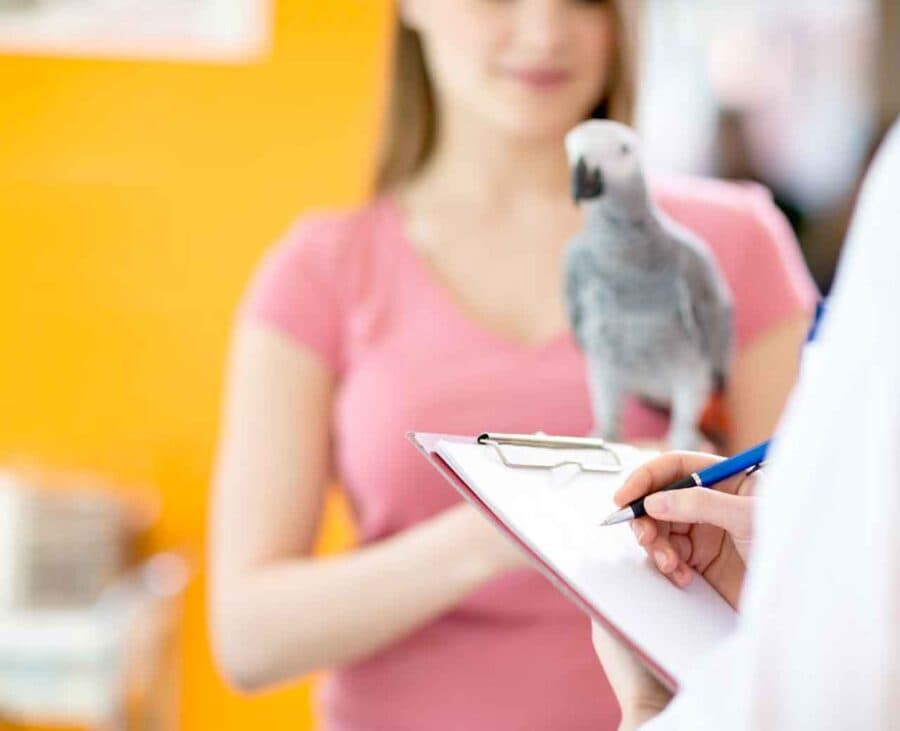
Birds are masters at hiding illness, and that instinct can leave owners unaware when a bird carries an infection. Avian disease testing is a practical, proactive tool that helps parrot parents identify hidden viral, bacterial, or parasitic threats using samples such as blood, feathers, droppings, or swabs. Specialized laboratories run the tests and avian veterinarians interpret results so owners can make informed care decisions.
Testing is recommended in clear situations: when bringing home a new bird and during quarantine, before introducing birds to one another, if a bird shows unexplained symptoms such as lethargy or weight loss, for birds from unknown backgrounds, and as part of a wellness plan for long-lived or multi-bird households. Your avian vet will tailor test choices to species, age, and exposure risk because not every bird needs every test.
Common screening targets include Psittacine Beak and Feather Disease (PBFD), polyomavirus, avian bornavirus or PDD, psittacosis (Chlamydia psittaci), and Giardia. Knowing which of these to test for starts with a wellness visit and a clear discussion of the bird’s history and living situation. Testing helps identify infections early, protect other birds in the household, guide quarantine and introduction decisions, and give owners peace of mind.
Testing works best alongside solid husbandry: strict quarantine practices, routine wellness exams, good hygiene when handling cages or perches, and proper nutrition. Malnutrition or obesity can weaken immune responses and raise susceptibility to disease, so diet and body condition remain central to prevention. For breeders and rescues, routine testing supports ethical practices, transparency, and safer placements.

A positive test can be alarming but it is not an automatic sentence. A positive result provides actionable information: you can take precautions, adjust housing plans, and partner with your avian vet to manage chronic conditions when possible. Early knowledge often leads to better outcomes and helps protect vulnerable birds in multi-bird homes.
Practical next steps include scheduling a wellness visit, discussing which tests fit your bird’s species and lifestyle, observing a strict quarantine period for newcomers, and keeping up with routine exams. Don’t wing it when it comes to introductions or rehoming decisions; use testing as part of a prevention-first strategy. For parrot parents, being proactive with testing, hygiene, and nutrition means better long-term health for your feathered friends and fewer surprises down the road.
Know something we missed? Have a correction or additional information?
Submit a Tip