Azerbaijani court jails activist Rufat Safarov for eight years
A Baku court gave Rufat Safarov eight years, turning the case against a former prosecutor into a new flashpoint in Azerbaijan’s crackdown on dissent.
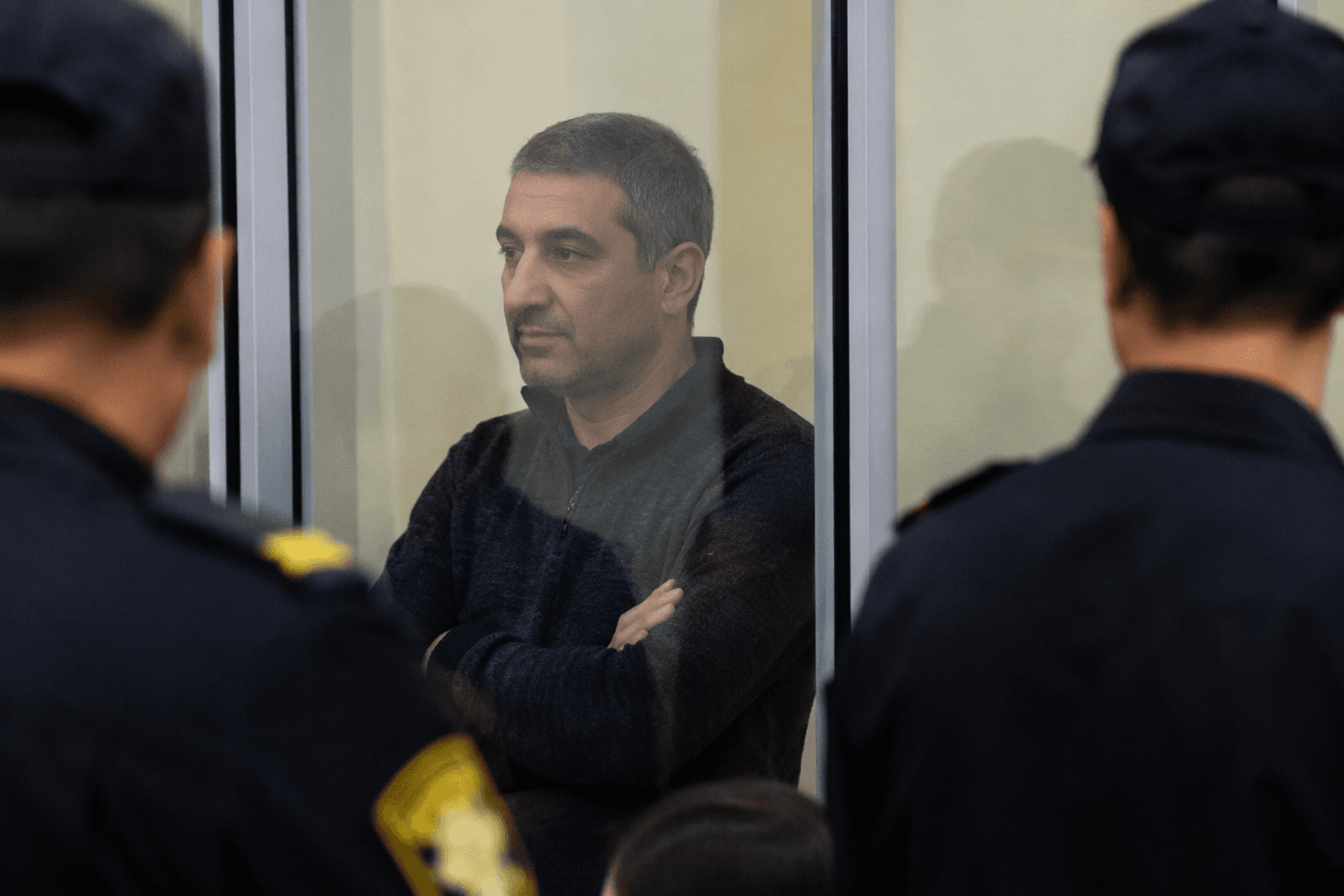
A court in Baku sentenced rights activist Rufat Safarov to eight years in prison after convicting him of hooliganism and fraud, a ruling his lawyer said she would appeal. Safarov, a former prosecutor who now heads the rights group Defense Line, has become one of the most visible figures in Azerbaijan’s shrinking civil society space.
Azerbaijani authorities have cast the case as a criminal prosecution, not a political one. Amnesty International said Safarov was detained on 3 December 2024 and charged under Articles 178.3.2 and 221.1 of Azerbaijan’s Criminal Code, with potential exposure of up to 10 years if convicted. The sentence follows an earlier prison term that already made him a target for critics of the government: Amnesty said Safarov was jailed in 2015 for nine years after publicly criticizing the authorities, then pardoned and released in 2019 by President Ilham Aliyev.
Rovshana Rahimova, Safarov’s lawyer, said she disagreed with the verdict and planned to appeal. For rights groups, the case fits a pattern that has widened beyond one activist and now reaches journalists, opposition figures and civil society organizers across Azerbaijan.
Human Rights Watch has said the crackdown on critics intensified around COP29 in 2024, when authorities stepped up arrests and prosecutions on what the group described as politically motivated charges. Amnesty has estimated that roughly 300 people remained in pre-trial detention or were imprisoned in Azerbaijan on politically motivated charges. Human Rights Watch has also said Azerbaijani authorities have prosecuted critics in exile and reviewed eight in-absentia verdicts between July 2025 and March 2026.
The pressure has extended to the media. Human Rights Watch said at least 12 journalists linked to Meydan TV had been detained by August 2025 on charges including smuggling, money laundering, tax evasion and forgery. Taken together, the cases have reinforced the view among rights defenders that legal proceedings in Azerbaijan are being used to narrow the space for independent scrutiny.
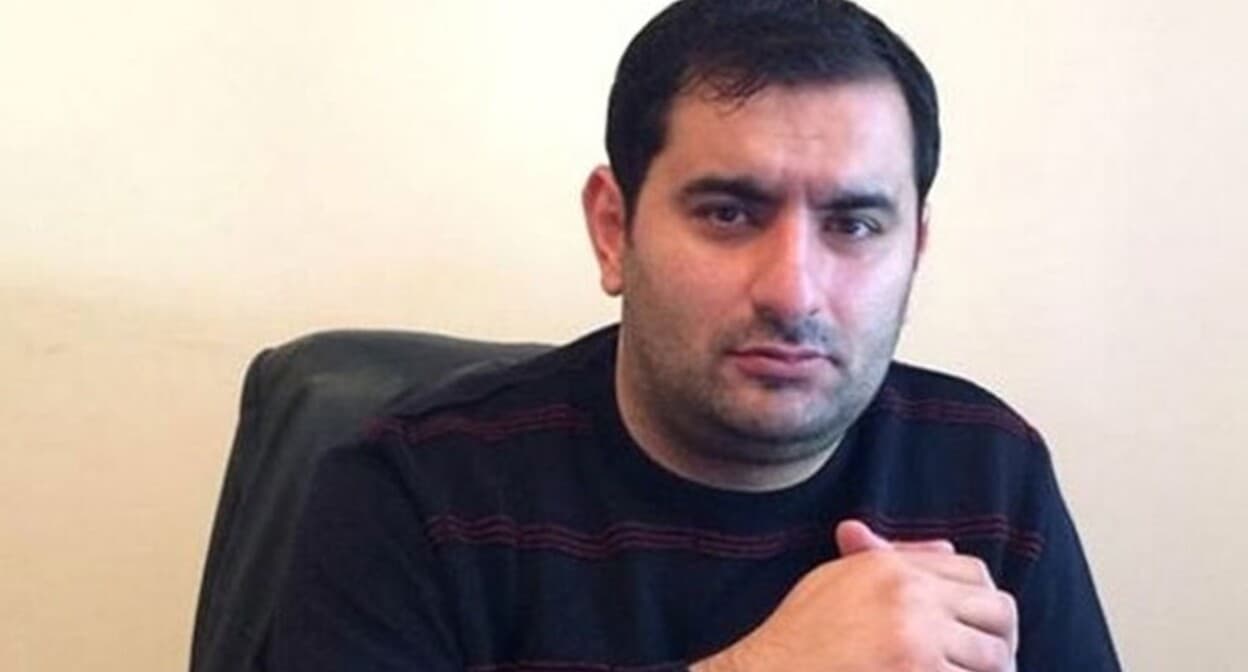
Baku rejects that criticism and says Western calls to release detainees amount to interference in the country’s judicial system. That leaves foreign governments with limited leverage beyond diplomatic pressure and the political cost of defending a partner whose human rights record has drawn repeated scrutiny. As an oil-producing state and a regional energy and security player, Azerbaijan can absorb criticism, but high-profile cases like Safarov’s keep raising the price of that scrutiny.
This article was produced by Prism’s automated news system from verified source data, official records, and press releases, then run through automated quality and moderation checks before publishing. The system is built and supervised by the people who set the standards it runs under. Read our full AI policy.
Know something we missed? Have a correction or additional information?
Submit a Tip