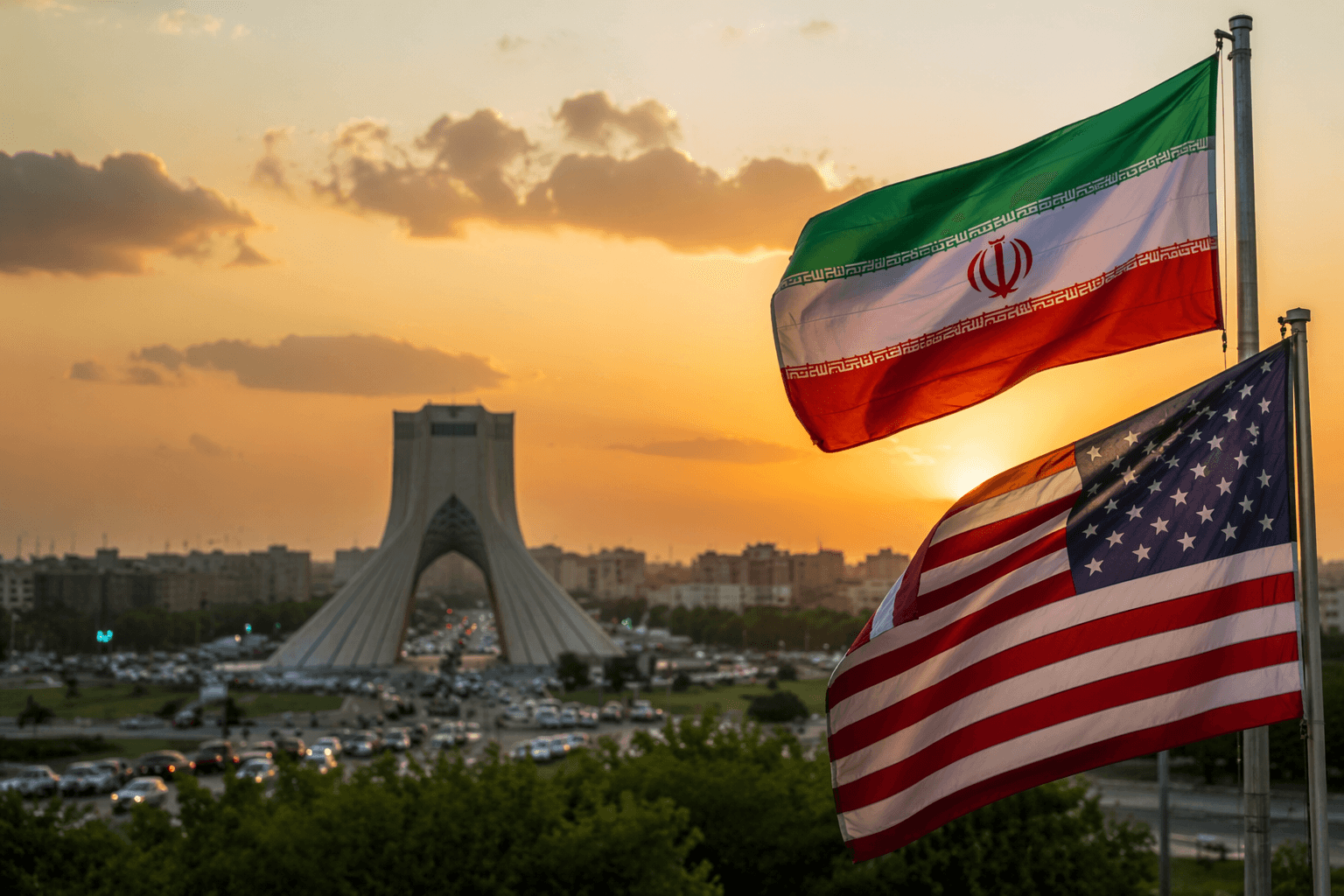
US, Iran near deal to reopen Strait of Hormuz, end war
A fragile ceasefire could reopen Hormuz within a month, easing a chokepoint that carries 20 million barrels a day and rattles oil, shipping and inflation.
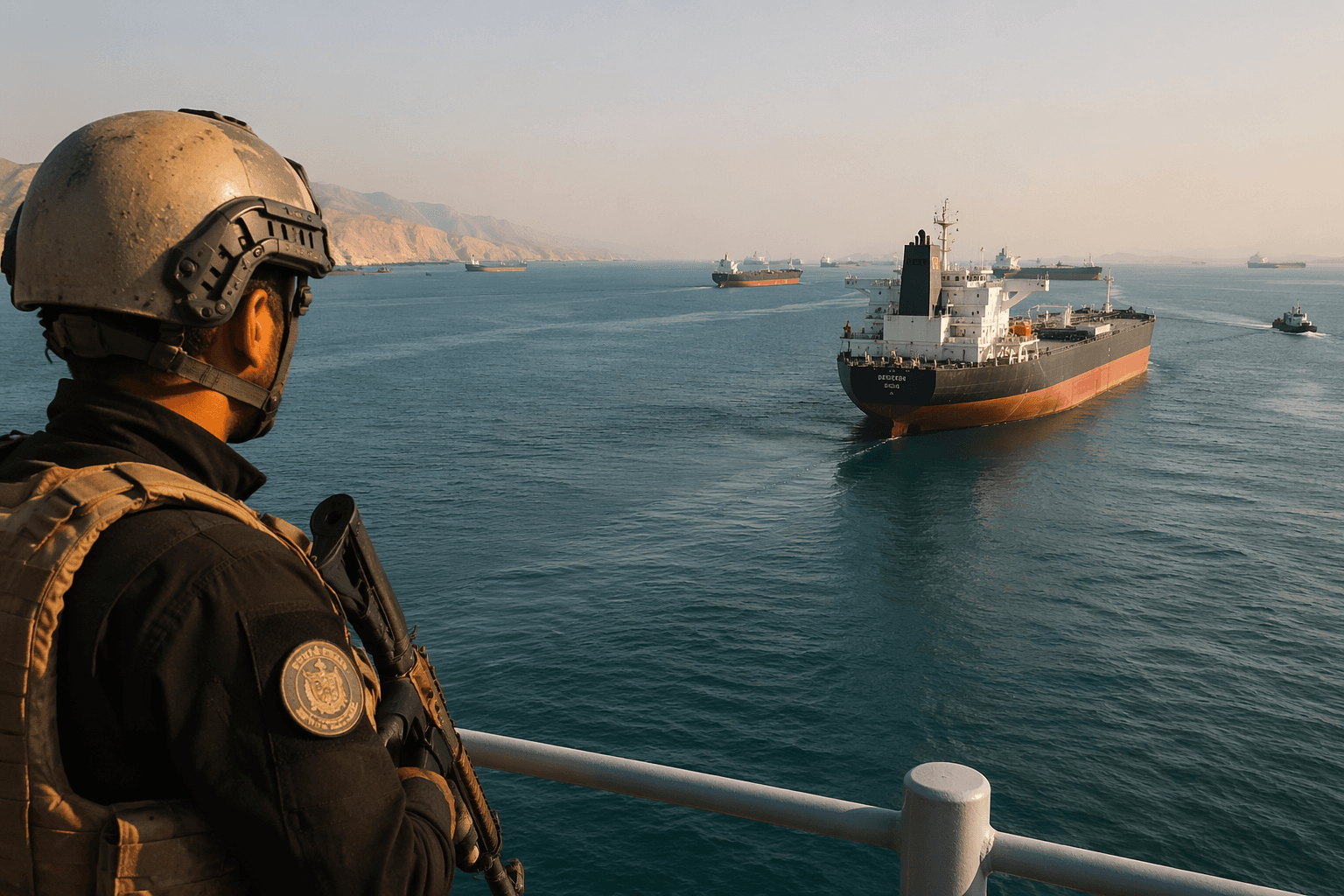
A ceasefire tied to reopening the Strait of Hormuz could move oil prices, shipping costs and inflation within days, because the waterway handles about 20 million barrels per day of crude oil and petroleum products and roughly one-fifth of global LNG trade. Any sign that traffic is truly resuming would also reshape Washington’s military posture in the Persian Gulf, where even a temporary interruption has already forced emergency intervention in energy markets.
Pakistan’s prime minister, Shehbaz Sharif, said the final text of a US-Iran peace deal had been agreed and that Islamabad was working with both sides on the next steps. A senior US administration official said the countries were "very close" and put the odds of a near-term signing at 80% to 85%. That was still not the same as a completed public accord, but it marked the clearest signal yet that the diplomacy had moved beyond back-channel talks.
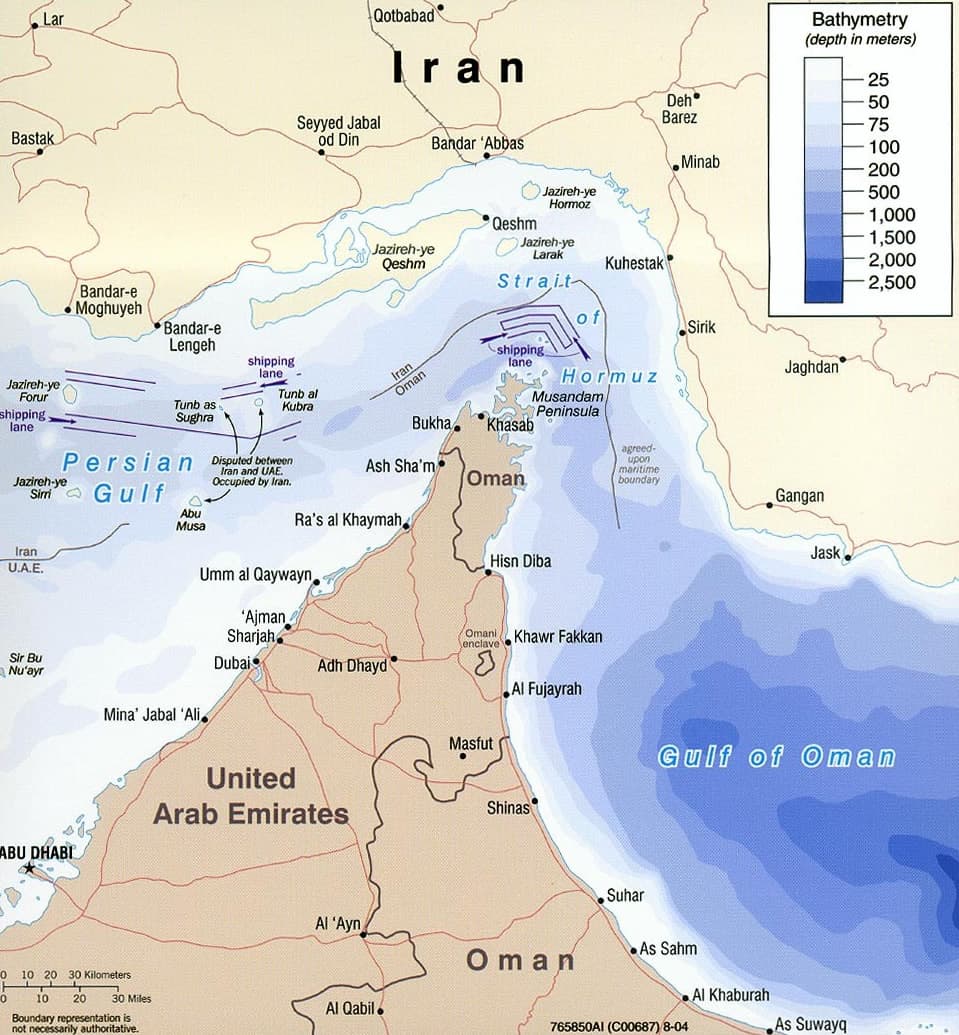
Iran’s foreign minister, Abbas Araghchi, said an agreement had "never been closer," while warning that Hormuz would not return to the "pre-war era." His comments underscored the core tension in the emerging deal: reopening the shipping lane may reduce immediate market panic, but Tehran still wants to preserve leverage over one of the world’s most consequential energy corridors. The Strait of Hormuz is only 29 nautical miles wide at its narrowest point, with two 2-mile-wide shipping lanes and a 2-mile buffer zone, a layout that leaves little room for error.
The reported draft framework goes further than symbolism. It says Iran would restore commercial shipping through Hormuz to pre-war levels within a month, while the United States would withdraw military forces from Iran’s vicinity and lift a naval blockade. An earlier draft also envisaged Iran managing ship traffic in cooperation with Oman. Those details are the deal’s biggest tripwires: if ship movements do not normalize quickly, or if either side balks at military pullbacks and blockade relief, the entire arrangement could unravel before traders have time to reprice the risk.
The stakes are already visible in the energy system. The International Energy Agency has said the disruption to flows through Hormuz is the largest in the history of the global oil market, and its members have agreed to release 400 million barrels from emergency stocks. The U.S. Energy Information Administration says a chokepoint disruption, even a short one, can trigger supply delays and higher shipping costs, pushing up world energy prices and feeding inflation. If the channel reopens on paper but remains vulnerable in practice, the market shock will not end with the signature.
This article was produced by Prism’s automated news system from verified source data, official records, and press releases, then run through automated quality and moderation checks before publishing. The system is built and supervised by the people who set the standards it runs under. Read our full AI policy.
Know something we missed? Have a correction or additional information?
Submit a Tip