U.S. officials say Iran deal could be signed in coming days
A senior U.S. official put the odds of an Iran deal at 80% to 85%, but Washington, Tehran and Islamabad still described the text very differently.
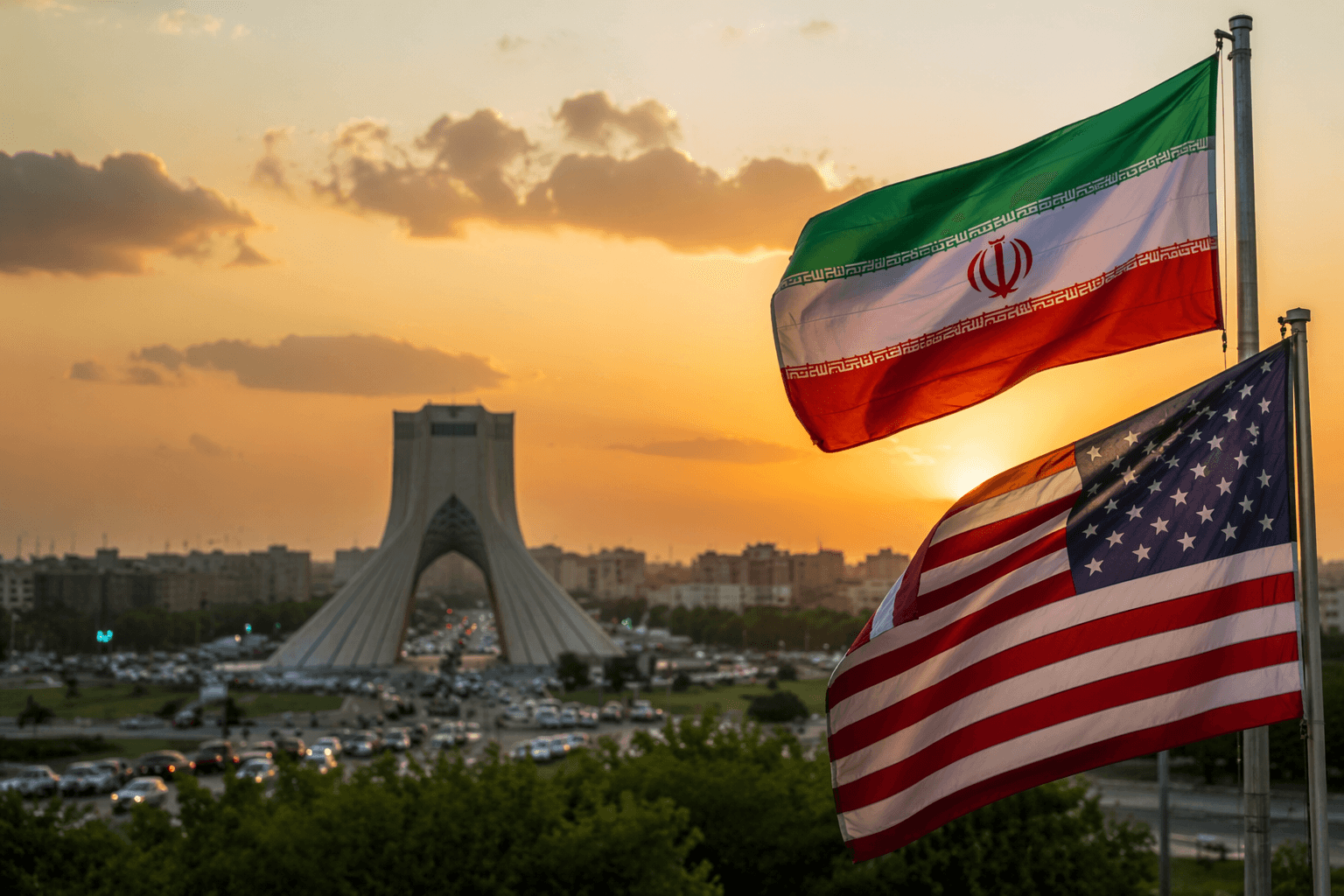
A senior U.S. administration official said the chances of signing a deal with Iran in the coming days were about 80% to 85%, a confidence level that signals momentum without certainty. Washington says the emerging accord would reopen the Strait of Hormuz, lift the U.S. blockade and start a 60-day period of technical negotiations on Iran’s nuclear program. But the two capitals still appear to be talking about different versions of the same agreement.
The U.S. version is a memorandum of understanding, or short-term framework, not a final peace treaty. Under that framework, Iran would dismantle its nuclear weapons program, transfer enriched nuclear material out of the country for destruction and accept an inspection regime designed to make the deal enforceable over time. U.S. officials say Iran would not get sanctions relief or financial relief upfront. Any economic benefit would come only after Tehran met the obligations spelled out in the agreement.
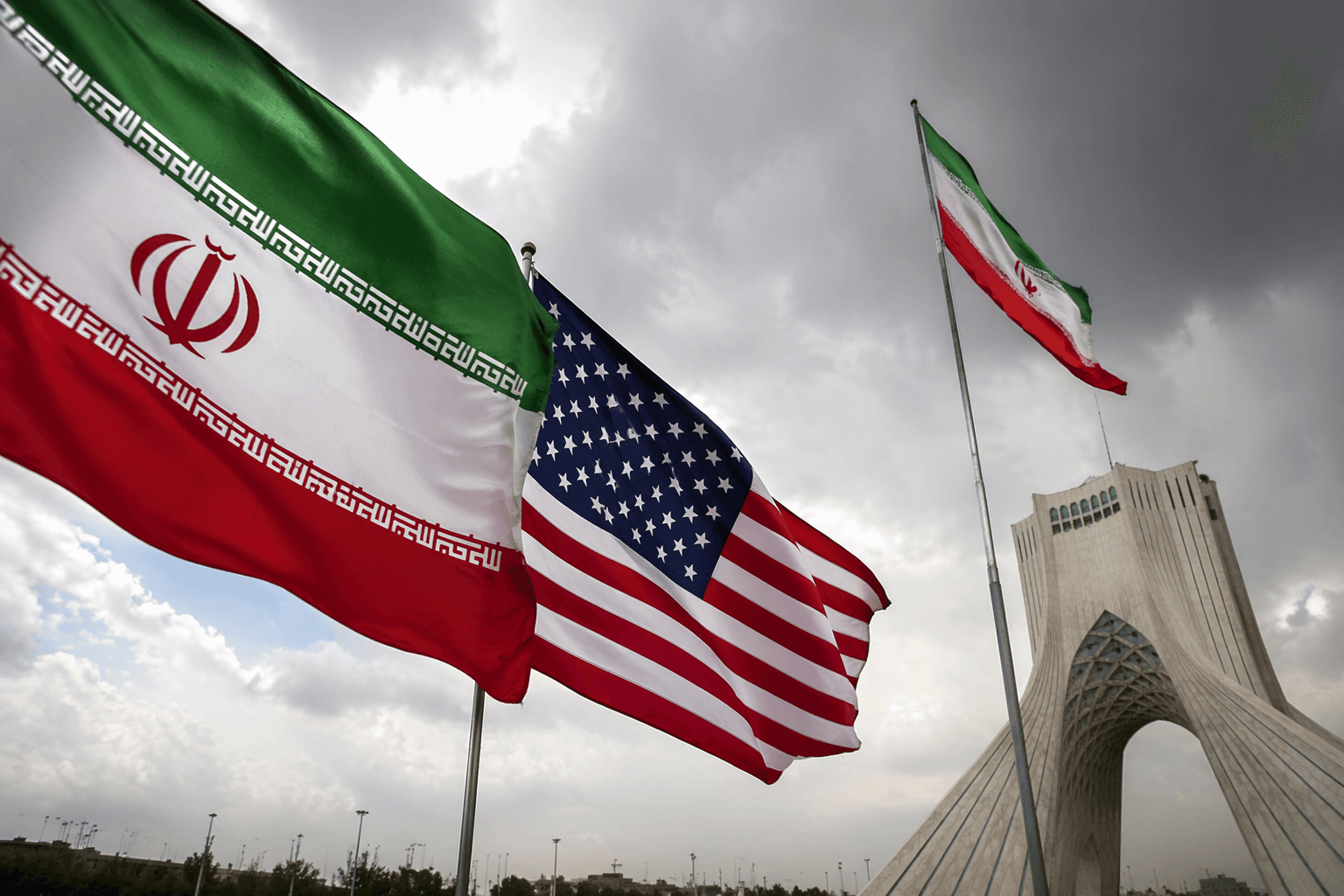
Iran’s public language has been more cautious, but not dismissive. Foreign Minister Abbas Araghchi said a memorandum of understanding had "never been closer," while the foreign ministry said Iranian bodies were reviewing the text after understanding had been reached on "most issues." Pakistan’s Prime Minister Shehbaz Sharif described the outcome more definitively, saying "a final, agreed upon text" had been reached and that Pakistan was working with both sides to finalize the next steps.
That divergence is the central test. President Donald Trump rejected Iran’s reported version of the deal, saying it had "nothing to do with the terms that were agreed to, in writing." The dispute suggests the hard parts are still unresolved: how much enrichment Iran can keep, how inspectors would verify compliance, and what penalties would follow if Tehran fell short.
Those details matter because the talks are tied to markets, shipping and regional security. A deal could halt or pause a conflict that has disrupted traffic through the Strait of Hormuz, pushed up oil prices and strained global energy supplies. Oil futures fell on the optimism, with West Texas Intermediate closing below $85 a barrel for July delivery and Brent just under $87 for August delivery.
The broader backdrop is familiar and fraught. The 2015 Joint Comprehensive Plan of Action traded sanctions relief for nuclear limits, but the United States withdrew in 2018. U.N. Security Council Resolution 2231 was the framework tied to that agreement, and the same debate now returns with higher stakes, including the risk that any wider ceasefire could also touch Israel, Hezbollah and Lebanon. The talks may be closer than before, but the credibility gap between optimism and substance remains wide.
This article was produced by Prism’s automated news system from verified source data, official records, and press releases, then run through automated quality and moderation checks before publishing. The system is built and supervised by the people who set the standards it runs under. Read our full AI policy.
Know something we missed? Have a correction or additional information?
Submit a Tip