Ebola deaths in Congo displacement camp raise spread fears
Deaths inside Kpangba camp signaled a dangerous turn in Congo’s Ebola outbreak, as 30,000 displaced people lived in crowded, unsanitary conditions.
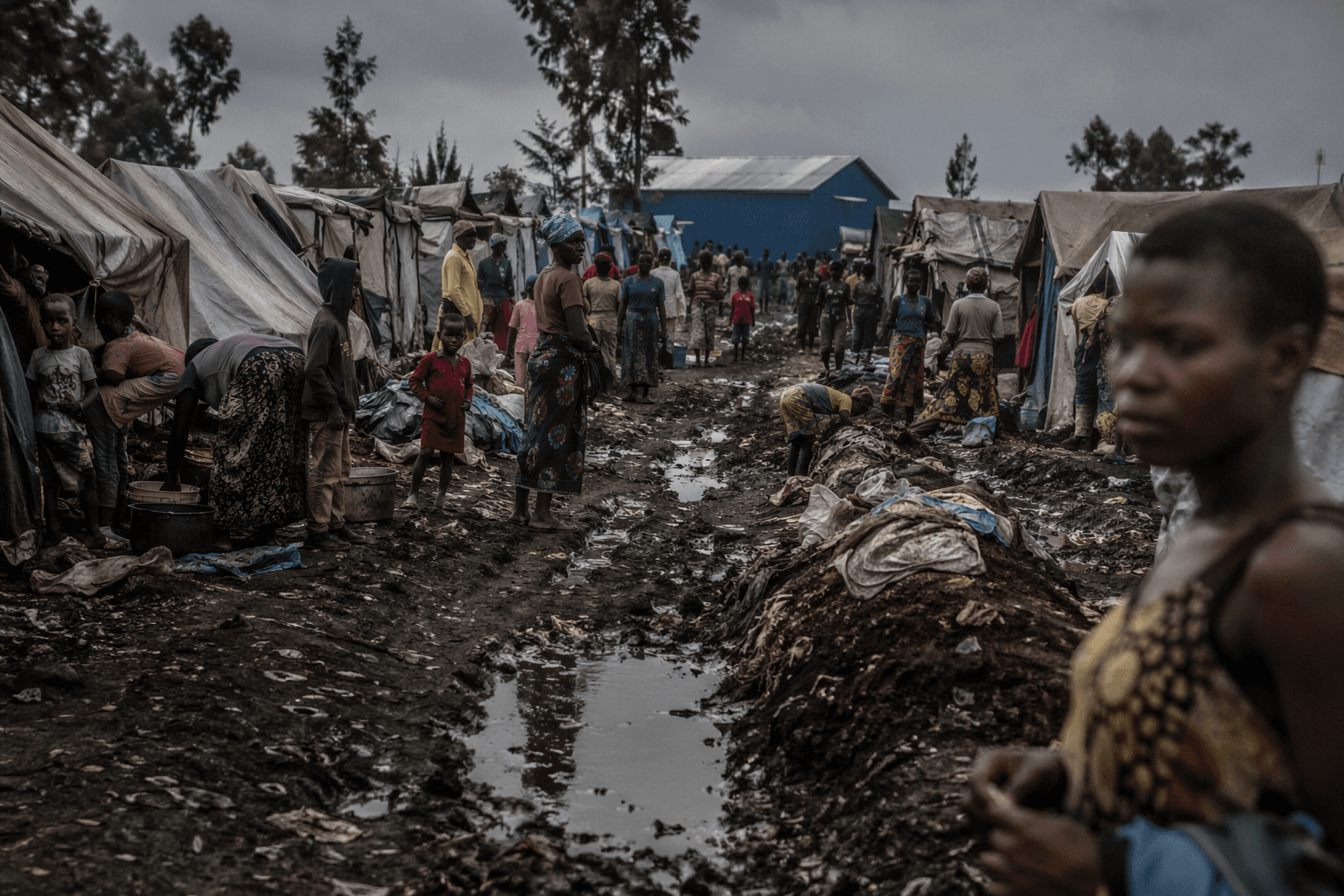
Ebola’s spread into Kpangba camp marked the point where a containable outbreak began to look like a humanitarian catastrophe. The camp in eastern Congo held about 30,000 internally displaced people, and the first Ebola-related deaths there raised fears that dense living conditions, weak sanitation and low trust in health teams could let the virus race through a population already living on the edge.
The outbreak had already moved across Ituri, South Kivu and North Kivu provinces, and health authorities had warned that the disease was no longer confined to a single pocket of eastern Democratic Republic of the Congo. The World Health Organization declared the event a public health emergency of international concern on May 17, after Congo’s government had officially declared its 17th Ebola outbreak on May 15, following laboratory confirmation in eight of 13 blood samples from Rwampara Health Zone in Ituri Province. By May 16, the Centers for Disease Control and Prevention said Congo had 246 suspected cases and 80 deaths.
By June 6, WHO said the outbreak had reached 515 confirmed cases and 91 deaths in Congo, along with 19 confirmed cases in Uganda, two deaths and one probable death there. The European Centre for Disease Prevention and Control later put Congo’s confirmed caseload at 676 and deaths at 136 as of June 11, underscoring how quickly the numbers had climbed as the epidemic crossed borders. WHO has said the outbreak involved Bundibugyo virus disease, the DRC’s 17th Ebola outbreak since 1976, with no licensed vaccine or specific treatment.

The human cost inside the camp was immediate. A 60-year-old woman tested positive on May 30 after breaking out of quarantine and could not be traced by response teams, according to a health report seen by Reuters. She died the next day, and her daughter died on June 1. Aid workers later found the bodies. As teams tried to reach the camp, community members reportedly pelted WHO vehicles, a sign of the mistrust that has long complicated Ebola control and has led some families to secretly bury highly contagious bodies rather than accept public-health protocols.
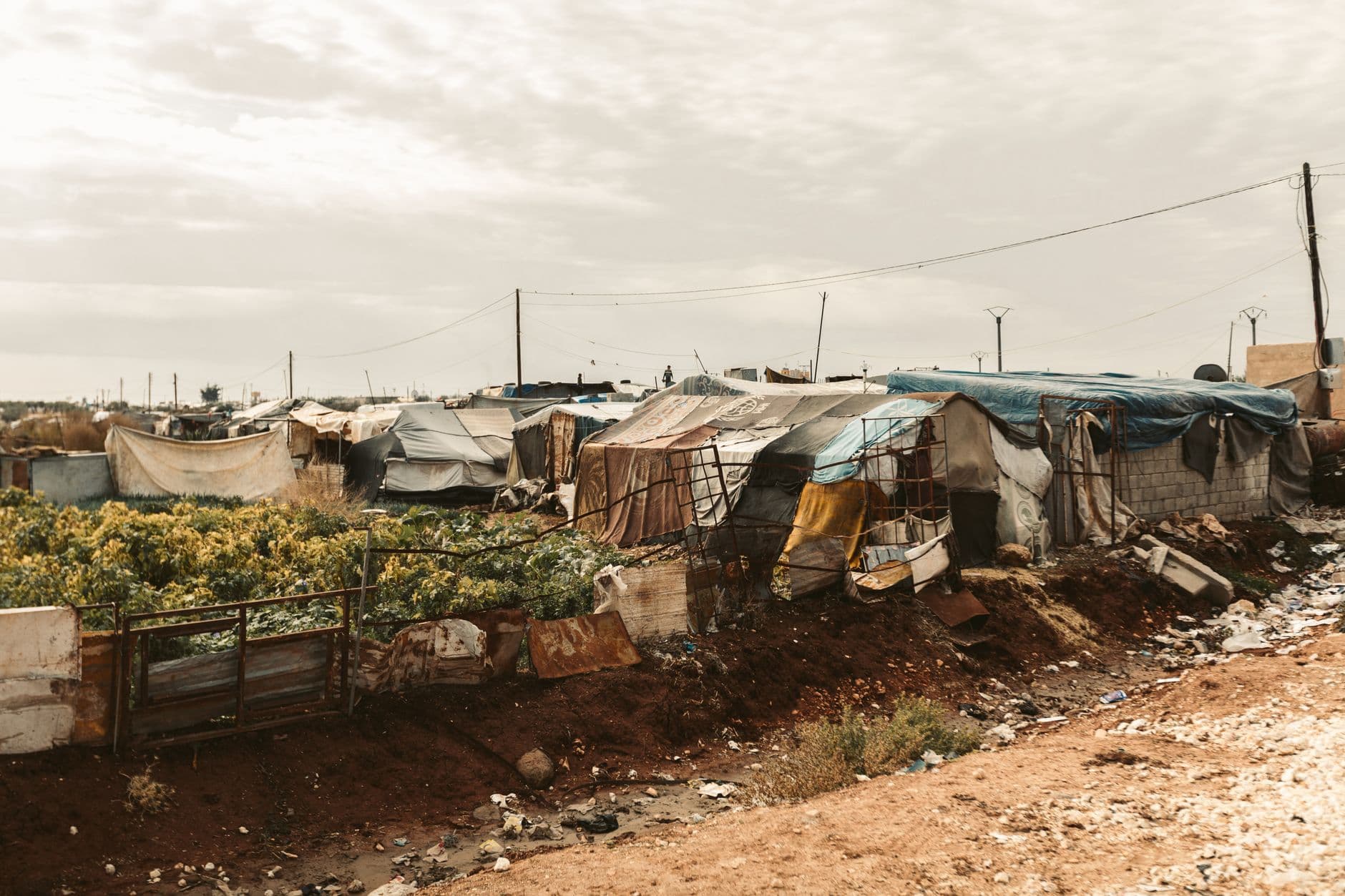
That mistrust matters because the setting was so fragile. WHO said the outbreak was unfolding amid humanitarian crisis, insecurity and high population movement, while public-health experts noted that many people in crowded sites shared toilets and that open defecation was common. Only 250 isolation beds were available across the three affected provinces, and WHO epidemiologist Olivier le Polain said surveillance needed to be strengthened in high-risk areas. WHO experts convened on May 28 to review candidate vaccines and therapeutics, but the immediate priority remained the same: find cases faster, isolate them sooner and win community cooperation before the virus spread further through Congo and into the region.
This article was produced by Prism’s automated news system from verified source data, official records, and press releases, then run through automated quality and moderation checks before publishing. The system is built and supervised by the people who set the standards it runs under. Read our full AI policy.
Know something we missed? Have a correction or additional information?
Submit a Tip