U.S. lifts travel ban on Albanian opposition leader Sali Berisha
Washington’s reversal of Sali Berisha’s travel ban could reshape Albania’s corruption fight, even as critics question whether it was a waiver, not exoneration.

The lifting of Sali Berisha’s U.S. travel ban is more than a personal victory for Albania’s most prominent opposition figure. It is a test of how Washington uses sanctions and visa restrictions to punish corruption claims in allied democracies, and whether a policy reversal can restore credibility without erasing the allegations that triggered the original ban.
Berisha, 81, said the United States had removed the restriction imposed on him and his immediate family in 2021, after what he described as a thorough review by the State Department. He said the “unfair decision” of the previous U.S. administration had been corrected, presenting the move as vindication after years of political and diplomatic isolation. Berisha now leads Albania’s main opposition Democratic Party.
The original action, announced on May 19, 2021 by then-Secretary of State Antony Blinken, cited Section 7031(c) and said Berisha had been involved in significant corruption. The designation also barred his spouse, Liri Berisha, his son, Shkelzen Berisha, and his daughter, Argita Berisha Malltezi, from traveling to the United States. The State Department said the allegations included misappropriating public funds and using power to enrich relatives.
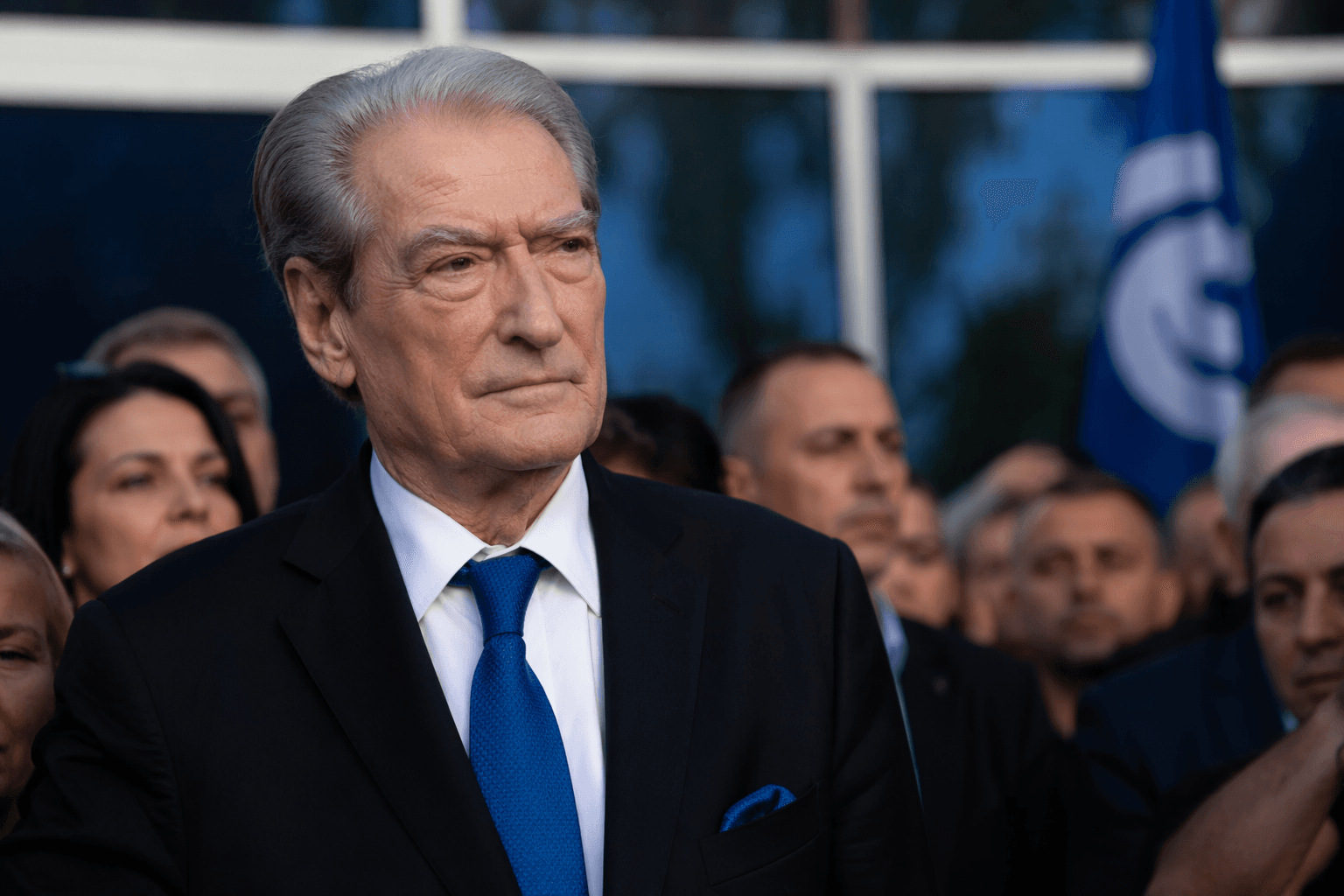
The new development does not necessarily settle that case in Berisha’s favor. A State Department spokesperson has said waivers were issued for certain 7031(c) designations under the previous administration when doing so served a compelling national interest, a formulation that points to policy discretion rather than a clean exoneration. Berisha had also previously challenged the designation in France, underscoring how politically contested the issue has remained.
The timing adds another layer of pressure in Tirana. Albania has been shaken by mass protests over a luxury resort project tied to Jared Kushner and Ivanka Trump, a project expected to cost around 5 billion euros and planned near a protected wetland home to flamingoes, seals and sea turtle nesting sites. Protesters gathered on June 10 in what Reuters described as the largest demonstration yet against the plan. Prime Minister Edi Rama has defended the project and said his government created SPAK, the special prosecution office, to fight graft.
For Berisha, the U.S. decision removes a long-running diplomatic stigma and may strengthen his standing with supporters who see him as unfairly targeted. For his critics, it risks reopening the same arguments about corruption, patronage and the influence of old political elites that have shadowed Albanian politics for years.
This article was produced by Prism’s automated news system from verified source data, official records, and press releases, then run through automated quality and moderation checks before publishing. The system is built and supervised by the people who set the standards it runs under. Read our full AI policy.
Know something we missed? Have a correction or additional information?
Submit a Tip