North Korea condemns U.S. approval of missile sale to South Korea
North Korea blasted a $292 million U.S. missile sale to South Korea, but the package mainly strengthens air defense and interoperability rather than signaling a new crisis.
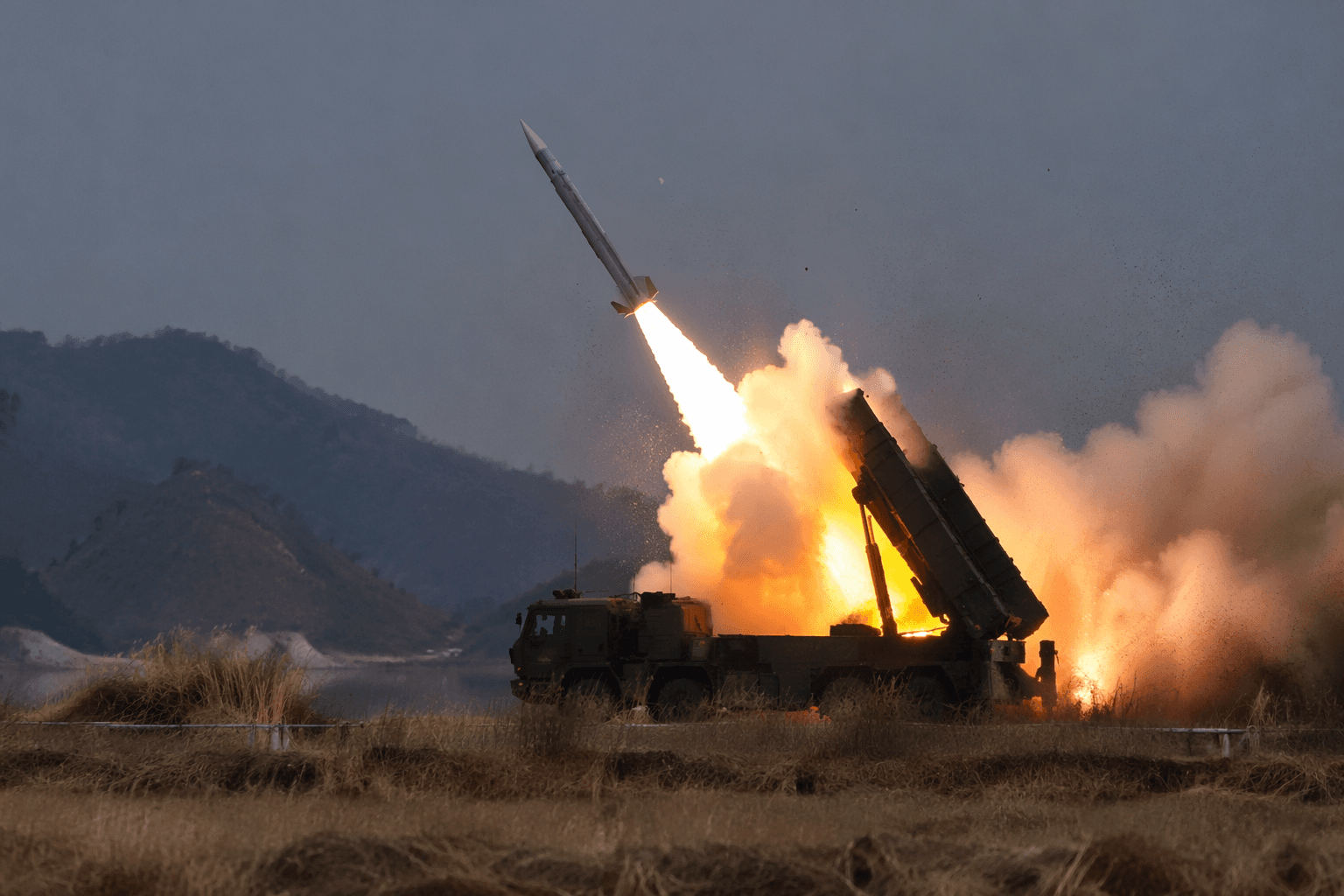
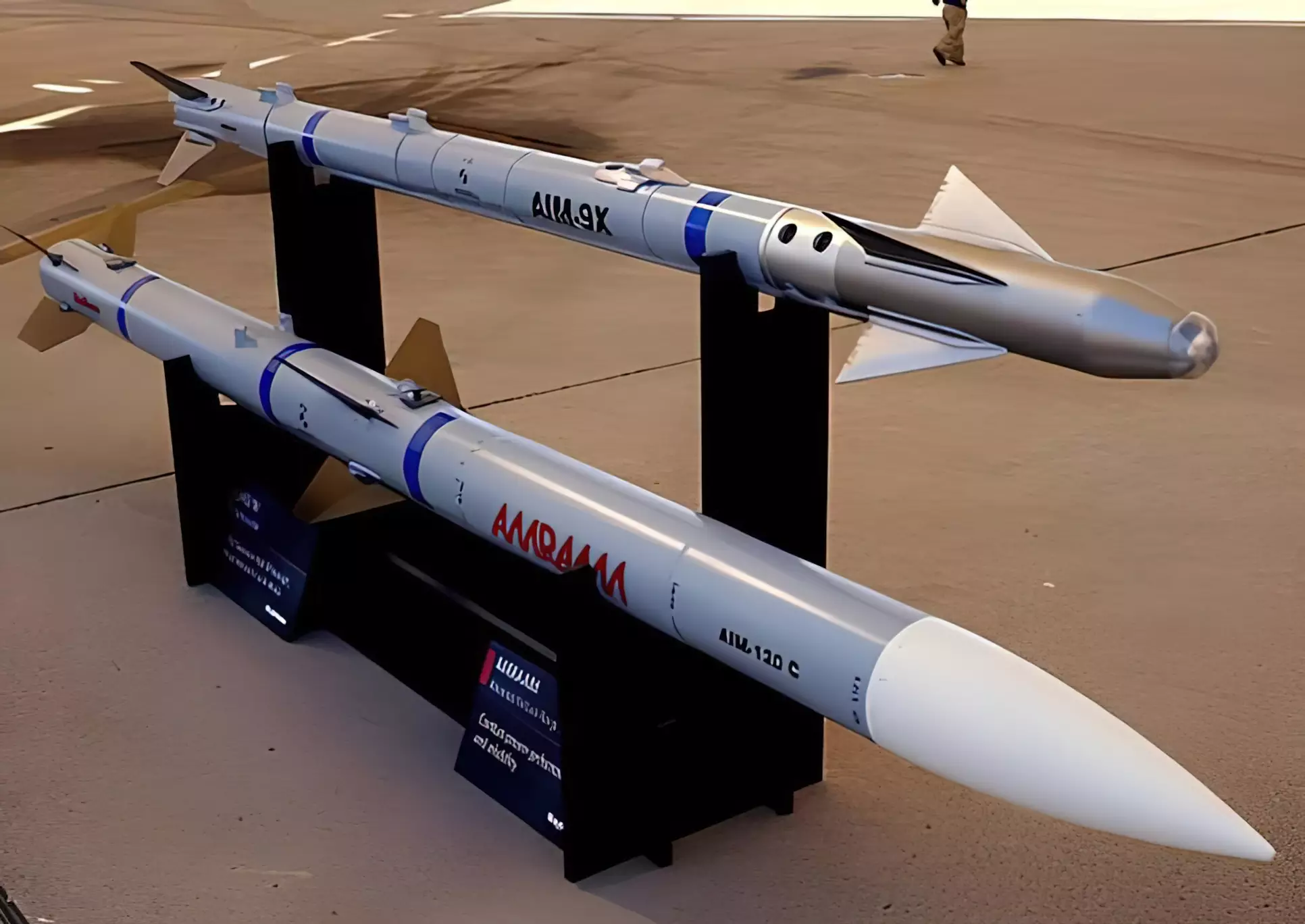
South Korea’s air defenses are set to gain 70 AIM-120C-8 AMRAAM missiles, two guidance sections and related equipment under a proposed $292 million U.S. sale that still needs congressional review. The package is designed to help Seoul meet current and future threats, widen its air defense reach, deter aggression in the region and keep its forces interoperable with U.S. troops.
Pyongyang answered with familiar fury. The North Korean Foreign Ministry condemned Washington’s approval as proof that military cooperation between the United States and South Korea was being “systematically strengthened,” and repeated its line that U.S. arms exports amount to “war exports.” The ministry said North Korea would keep strengthening its own self-defensive deterrent to preserve what it described as the regional balance of power.
In practical military terms, the missile sale matters because the AIM-120C-8 is a beyond-visual-range air-to-air weapon used by U.S. and allied fighter aircraft. For South Korea, that means a sharper ability to engage airborne threats before they close in, and a cleaner fit with U.S.-operated systems in a crisis. The real value is less about a single weapons buy than about the steady tightening of allied airpower on the peninsula, where Washington and Seoul have been working to make their defenses more integrated.
North Korea’s reaction also fits a pattern that has become routine rather than exceptional. Reuters reported that the missile approval came less than a week after the State Department cleared a separate potential $106 million sale of JDAM guidance kits and related equipment to South Korea. In that context, the latest condemnation looks as much like standard signaling as a discrete escalation warning. Pyongyang uses every new arms approval to argue that outside pressure justifies more weapons development, while Seoul points to North Korea’s missile and nuclear programs as the reason its own buildup is necessary.
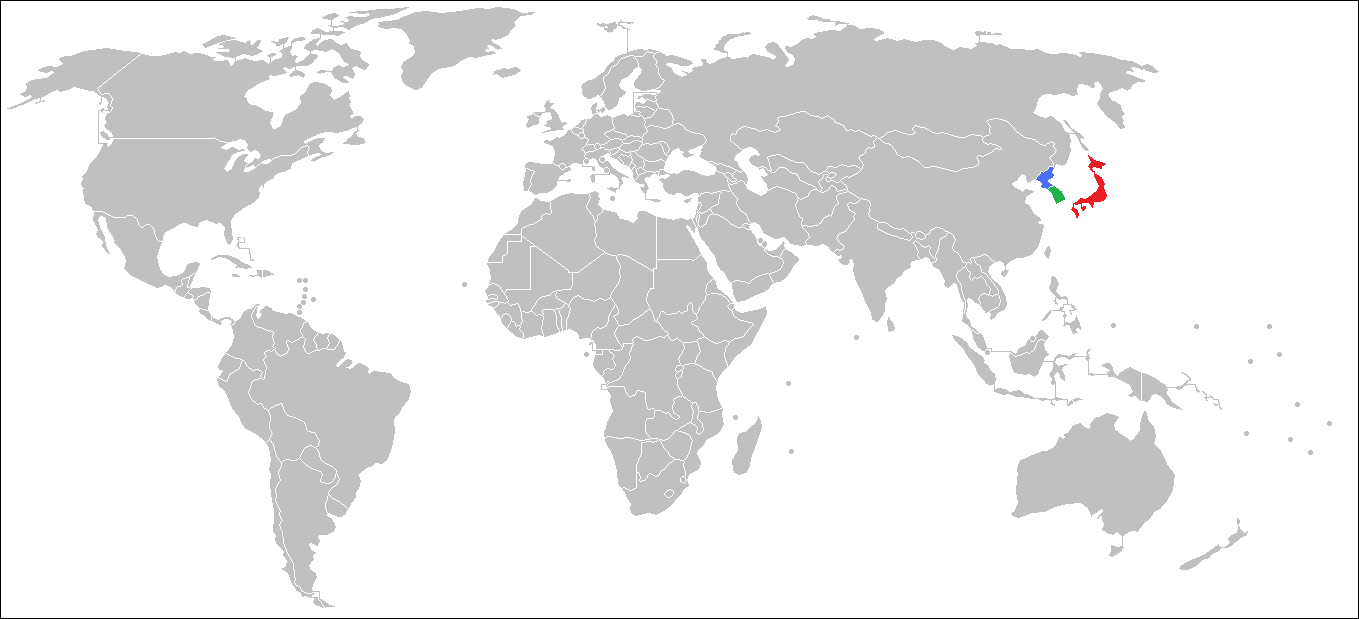
The timing matters, though the broader picture remains unchanged: persistent military friction, rapid alliance coordination and a steady stream of procurement decisions that each side folds into its own deterrence narrative. KCNA Watch indexed the North Korean Foreign Ministry comment on June 13, and the response showed once again how quickly even a routine U.S. arms approval can be recast into a larger contest over power, readiness and resolve on the Korean peninsula.
This article was produced by Prism’s automated news system from verified source data, official records, and press releases, then run through automated quality and moderation checks before publishing. The system is built and supervised by the people who set the standards it runs under. Read our full AI policy.
Know something we missed? Have a correction or additional information?
Submit a Tip