Baby Shower Gift Logistics Made Simple for Hosts and Planners
New parents go through 2,500+ diapers in year one — here's how to manage the registry, diaper raffle, and gift-opening logistics that turn a simple baby shower into a smoothly run celebration.
Gift logistics are the invisible scaffolding of a great baby shower. When they work, nobody notices. When they don't, there are duplicate strollers, mystery gifts without cards, and a gift-opening marathon that outlasts the guest of honor's patience. Whether you're a first-time host, a co-host splitting duties with two other besties, or a professional planner running your fifteenth shower this year, the same three systems need to be in place before the first guest walks in: the registry, the diaper raffle, and the day-of gift flow.
Building a Registry That Does the Heavy Lifting
Creating a baby registry is one of the most practical gifts a host can encourage the parents-to-be to set up early. It directs guests toward what the family actually needs and eliminates the risk of duplicates, making the whole experience easier for everyone involved.
The structure of the registry matters as much as the items in it. When building the list, include a variety of items at different price points to accommodate guests with varying budgets. That means not just the big-ticket items. Lower-priced additions like diapers, spoons, and swaddles sit alongside essentials like a stroller, car seat, and crib mattress. The average baby registry includes 100 to 120 items, which gives guests plenty of options at every spend level.
Timing matters too. Give yourself plenty of time to research before shower invitations go out. Starting the registry around the end of the first trimester provides enough time to thoroughly research essentials, and the goal is to have it largely complete before invitations are sent, typically around 28 to 32 weeks.
On the etiquette side, the old rule still holds: registry information should not be included on the baby shower invitation itself, though enclosing it on a separate sheet of paper is fine. There are tactful ways to make the registry accessible without making guests feel pressured. Let the shower host share the registry information in invitations or on a dedicated shower website. Hosts can also keep it conversational: the registry should just be passed along by word of mouth, with guests able to ask where the parents are registered when they RSVP.
One practical reminder for hosts: it's perfectly acceptable to update the registry as needed throughout the pregnancy. As gifts are received or needs change, adding or removing items ensures that guests always have access to the most current list.
Running a Diaper Raffle That Actually Stocks the Nursery
New parents go through 2,500-plus diapers in the first year, and at an average cost of $70 to $80 per month, those expenses add up quickly. The diaper raffle is the most efficient tool a host has for building a diaper stockpile while keeping the event fun. The great thing about this shower game is that it's completely optional for guests, takes minimal effort to organize, and results in a diaper stockpile.
The setup process breaks down into four practical moves:
1. Communicate it early. Planning a raffle begins with announcing it.
The best way is to put it right on the invitation: "Bring a pack of diapers in any size, for a chance to win a prize!" Don't forget to ask the parents-to-be which brand they prefer.
2. Set the rules and stick to them. The standard approach is one pack of diapers equals one raffle ticket, regardless of pack size.
This keeps things simple and fair for everyone. Some hosts give bonus tickets for jumbo packs or multiple packs, but make sure to mention this rule in the invitation so guests know upfront.
3. Think about size diversity. Include a note on the invitation: "Please purchase diapers in any size." This helps guests understand that gifting beyond newborn sizes is genuinely useful.
Receiving too many or too few diapers of one size is common. Many big-box retailers, like Target, will gladly accept unopened packages to swap for different sizes, so encourage guests to leave receipts.
4. Staff the raffle table. Consider where to set up the diaper raffle table and how to collect and store the diapers.
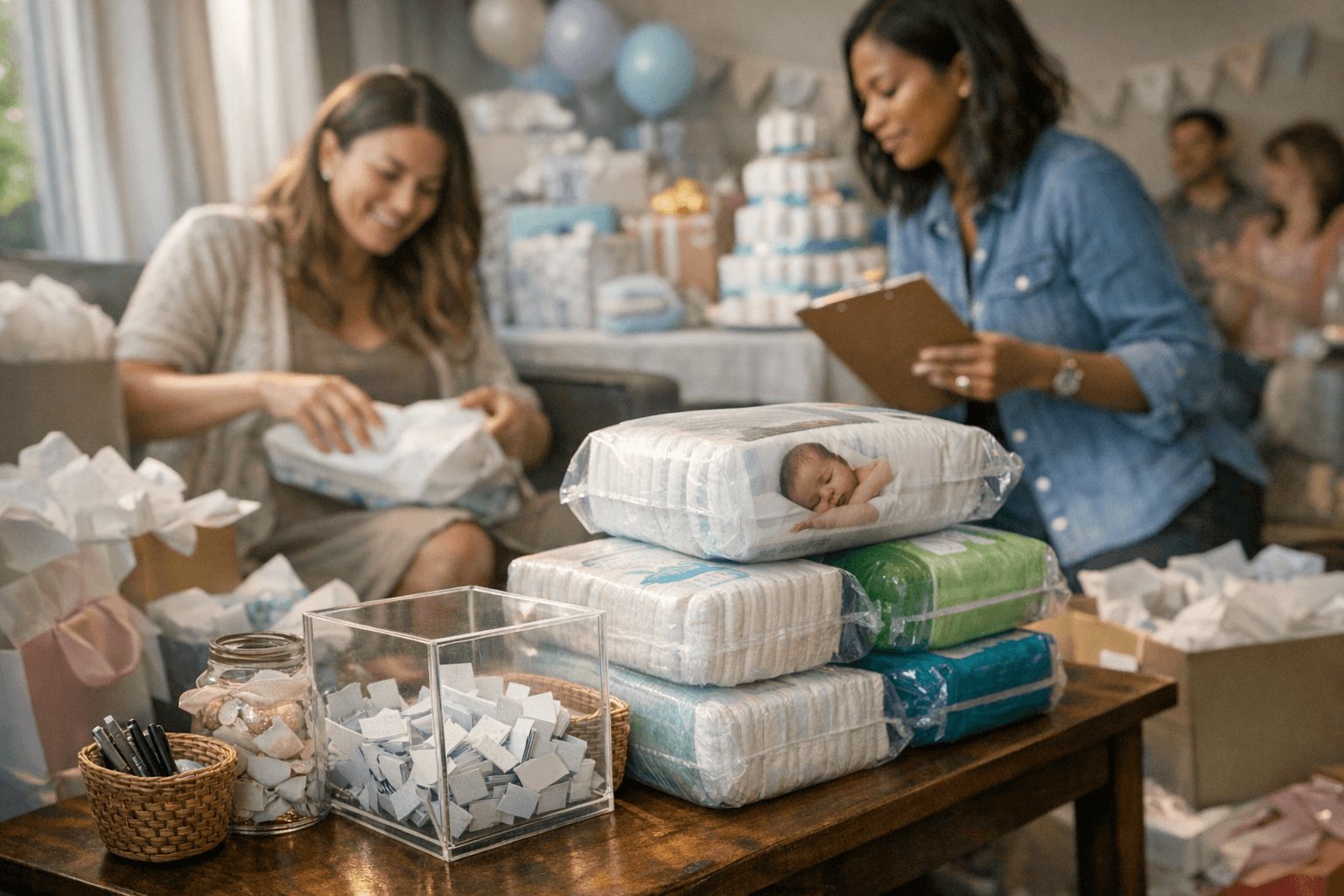
Assigning a person or two to manage the diaper collection and distribute the raffle tickets as guests arrive keeps things running smoothly. Have essentials like a sign, game instructions, a bowl for tickets, extra tickets, and pens on the raffle table.
For prizes, the goal is participation. Prizes are the heart and soul of a diaper raffle, and popular choices include gift cards from local restaurants, spas, or big-box stores. Usually there is only one diaper raffle prize, but you can have up to three. Don't have too many prizes, otherwise the baby shower becomes all about the raffles. On timing, winners should be drawn toward the end of the shower to maintain excitement throughout the event.
Managing the Gift-Opening Moment
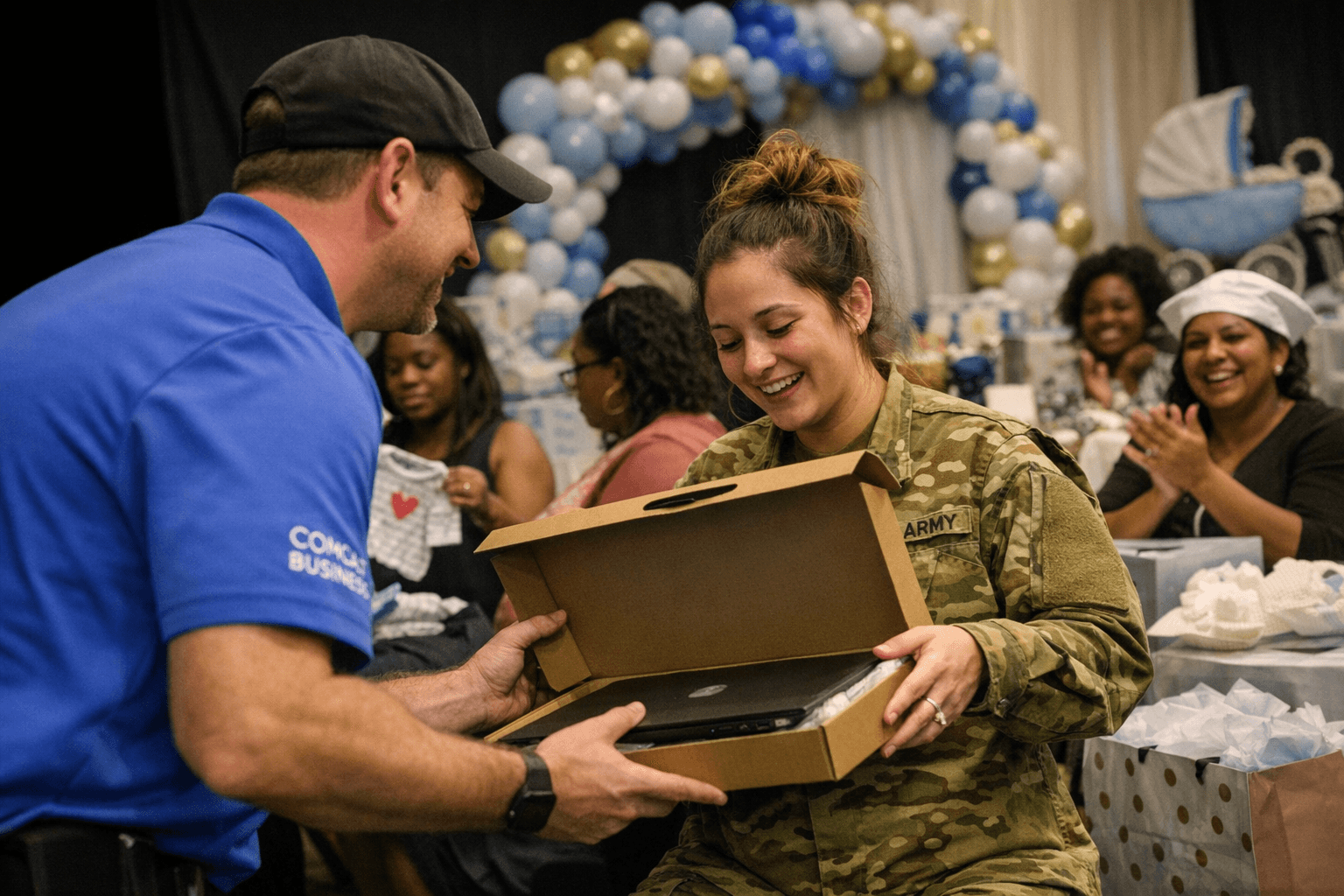
The question of whether to open gifts at the shower itself is now genuinely a matter of preference. While it was historically proper etiquette for the guest of honor to open gifts during the shower, today parents can decide whether to open gifts in front of everyone or have some privacy on their own time, especially if it's a large celebration.
Opening 20-plus gifts can eat up a big chunk of a two-hour event, which is one practical reason many modern hosts design around this. If opening gifts is on the agenda, efficiency is everything. One person should hand each gift to the guest of honor, another should take each gift after it's opened, and one person should keep a list of who gave which item.
That gift list is not optional. Ask a guest to serve as a recorder, writing down each gift as it's opened along with a short description and the name of the giver. This list is critical, especially if a card gets separated from a gift.
For hosts who want to skip the unwrapping entirely, a display shower is a clean solution. If the guest of honor would prefer not to open gifts at the shower but would still like guests to be able to see them, an alternative is a display shower where gifts are wrapped in clear cellophane. This way, gifts can be viewed easily while skipping the long gift-opening session.
After hosting hundreds of showers, three hours or less is the right amount of time. Anything longer asks a lot of guests, not to mention the mom-to-be who likely gets tired easily.
The Thank-You Note System: A Host's Final Responsibility
The thank-you note process is where a great shower can quietly fall apart if the groundwork isn't laid during the event. As the host, two things are in your control: maintaining the gift log (see above) and getting that information to the parents promptly. It is best practice to send the couple your notes on who gifted what within a day or two of the party concluding. You can also provide the guest of honor with a list of all guest addresses, which you have from sending invitations.
In a perfect world, thank-you notes should be sent within two to three weeks of the event. The notes themselves don't need to be elaborate. Specifically mentioning the gift the guest gave, expressing appreciation for its thoughtfulness, and noting how it will be used adds a nice personal touch. All baby shower gifts must be acknowledged with a thank-you note, even if the honoree thanked participants in person.
For group gifts, the rule is individual acknowledgment wherever possible. If a few friends pooled their resources to get one gift, thank each giver individually. If all co-workers, say ten or more people, chipped in, one heartfelt email or letter posted in the office break room for all to see is an acceptable approach.
Putting It All Together
Gift logistics at a baby shower succeed or fail on preparation and role delegation. The registry should be built and shared before invitations go out. The diaper raffle needs a dedicated table, a clear set of rules communicated in the invite, and at least one person assigned to run it. The gift-opening moment, whether it happens live or not, requires a designated recorder and a plan that respects the guest of honor's energy and the guests' time. And the thank-you note system begins not after the party, but the moment the first gift is opened. A host who treats these four systems as a single, connected process is the one whose shower gets talked about for the right reasons.
Sources:
Know something we missed? Have a correction or additional information?
Submit a Tip