Babylist Tracker Rounds Up Major Baby Product Recalls Through Early 2026
About 45,000 HALO Magic Sleepsuits and 253,000 furniture tip restraints are among the major baby product recalls compiled in Babylist's updated safety tracker.

Roughly 45,000 HALO Dream Magic Sleepsuits landed on the recalled-products list after the company confirmed 15 reports of zipper heads detaching from the garment, posing a choking hazard for babies between 3 and 6 months old. That recall, folded into Babylist's updated recall tracker published March 26, anchors one of the most practical safety tools available to parents and gift-givers navigating the shower economy.
The sleepsuits were sold at Amazon, Walmart, Target, and Halosleep.com from September 2025 through February 2026 at around $50 each. Owners were directed to sleepsuitrecall.com to register for a coupon code redeemable against a replacement sleepsuit or a $50 store credit. CPSC guidance made clear that owners should not discard the product before registering, since the coupon code is issued only after registration is confirmed.
The 4our Kiddies plastic tip restraint kits presented a different but equally serious risk: more than 253,000 units sold on Amazon between June 2019 and January 2026 were found to be defective. CPSC testing revealed the plastic brackets failed to meet the requirements of the industry standard for tip restraints. The brackets, designed to strap furniture to walls and prevent tip-overs, can degrade or break, eliminating their protective function entirely and leaving children exposed to crushing hazards. Consumers were directed to stop use immediately and contact the manufacturer for a free replacement.
A third notice covered the Joovy Tricycoo Tricycle-Stroller, recalled in Canada by Health Canada. The cord on the product's storage bag poses a strangulation risk, while the seat design raises entrapment and pinching concerns. As of February 3, 2026, no incidents or injuries had been reported in Canada. Owners were instructed to immediately stop using the recalled product, remove the storage bag, and contact EI Brand Management Inc to register on the company website for further guidance.
The Babylist tracker surfaced these entries from a larger pool of active notices, with editors concentrating on recalls affecting more than 1,000 units or involving recognizable brands. The complete federal archive sits at CPSC.gov for anyone who wants to go deeper.
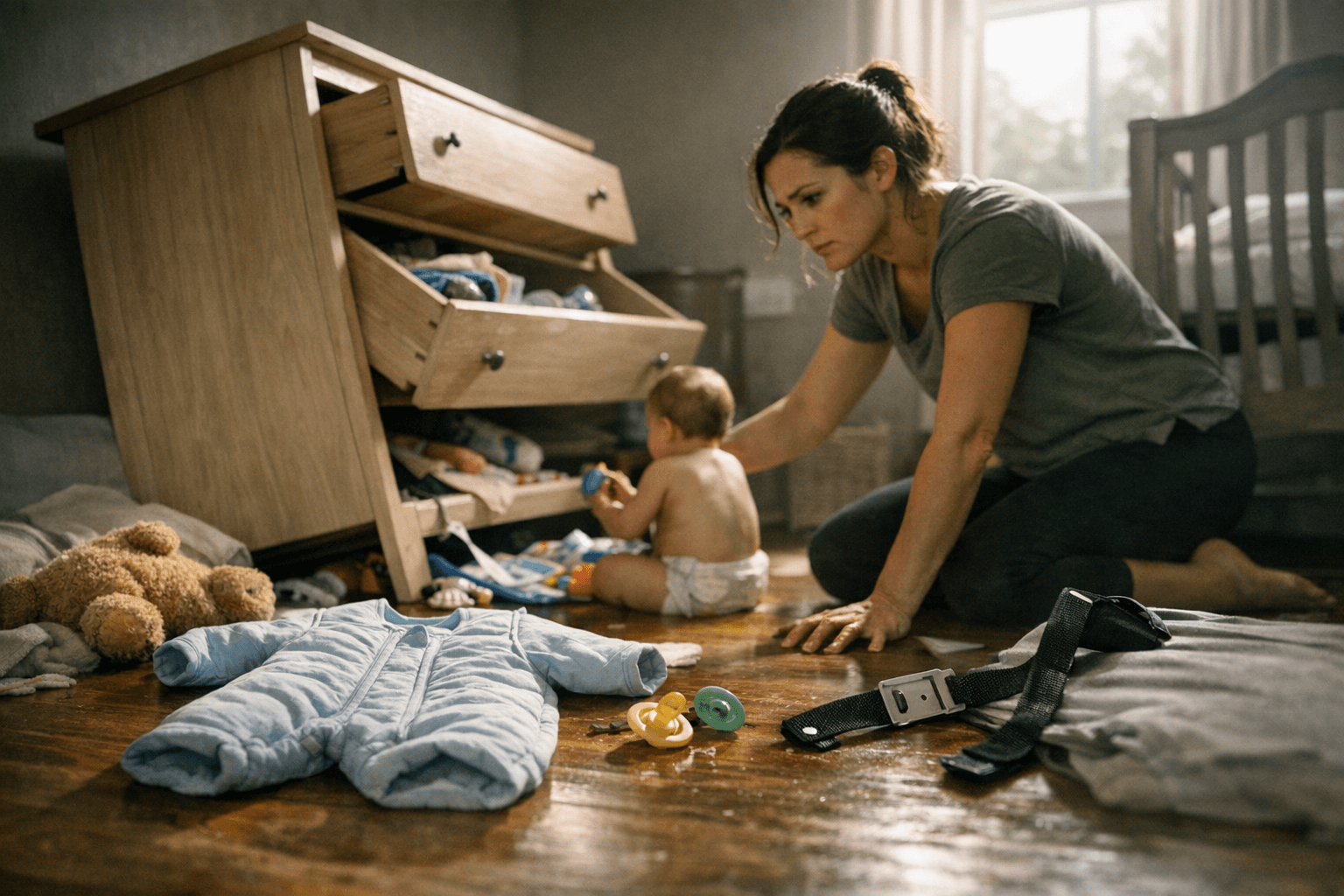
Before purchasing anything off a registry, a two-minute CPSC.gov search by product name and brand can prevent the far more uncomfortable situation of gifting something that has already been flagged. Registry hosts can run the same periodic audit by category: sleep products such as sleepsuits and wearable sleepwear, nursery safety hardware including tip-restraint kits and crib components, and mobility gear covering strollers, tricycles, and carriers are the segments that surface most frequently in major recall actions.
If a recalled item does arrive as a shower gift, the awkwardness-reduction path is direct. Most retailers honor returns on recalled products even without a receipt, since CPSC notices typically compel retailer cooperation, and platforms like Amazon, Walmart, and Target maintain registry-linked purchase histories that streamline the process. The recipient can inform the gifter simply: a recall was announced after the purchase was made, the remedy process is already underway, and no fault attaches to the buyer. The sooner the item is out of the nursery and registered for a replacement or credit, the better.
Babylist's broader editorial argument is that safety notices routinely lag behind purchases, which is exactly why registering each product with its manufacturer at unboxing, signing up for CPSC and FDA alerts, and cross-checking registries against active recall lists are habits that pay off long before the first birthday.
Sources:
Know something we missed? Have a correction or additional information?
Submit a Tip