Backcountry Camping Safety and Low-Impact Practices for Southwest Canyons
Pack smarter, pick campsites above drainage lines, and use stoves over campfires — these are the safety and low‑impact habits Southwest Adventure Vacations guides insist on for canyon and high‑basin trips.
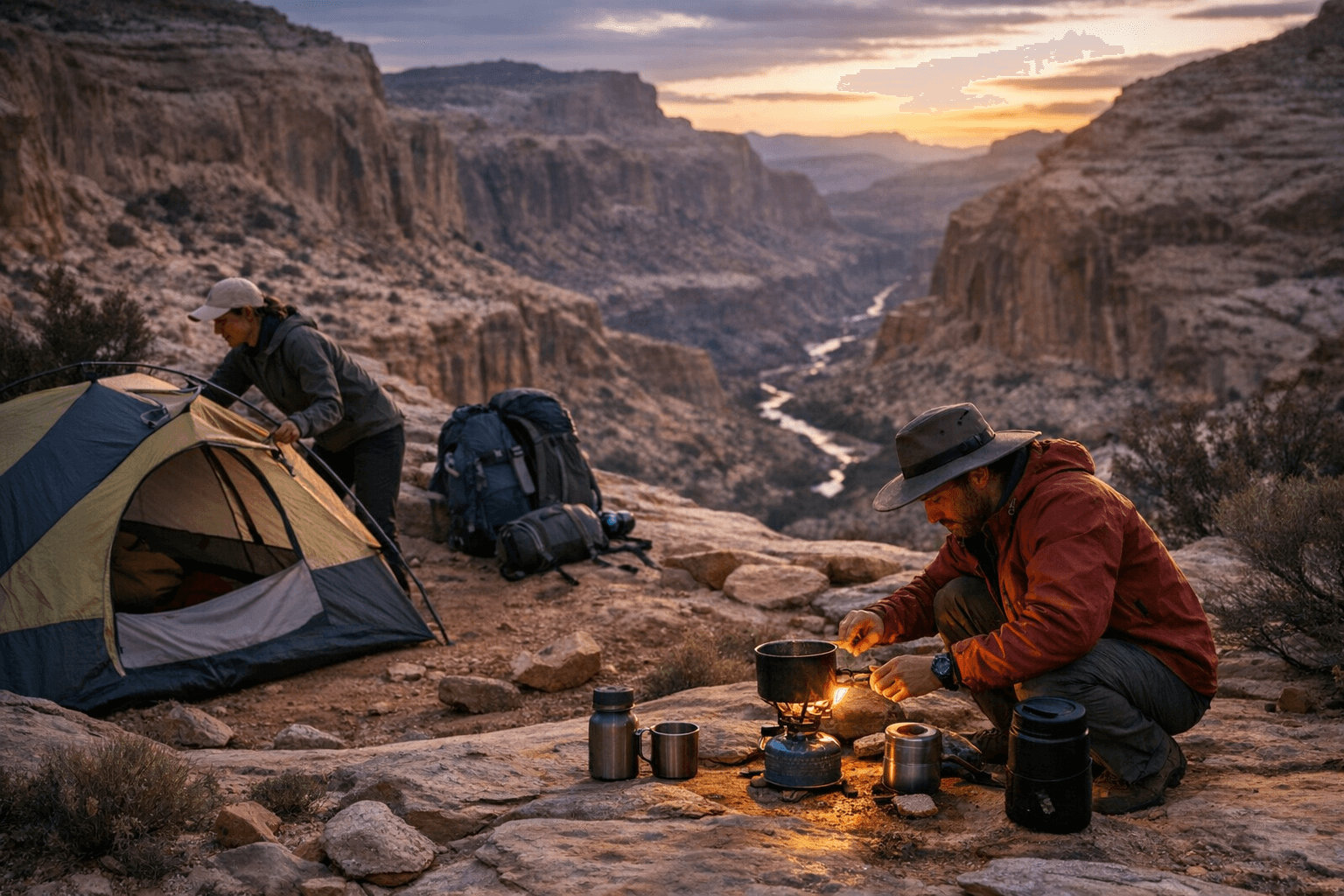
Southwest Adventure Vacations guests, guides and trip planners: this is the operating manual for safe, low‑impact backcountry camping in the desert canyons and high‑basin areas of Utah, Southwest Colorado, New Mexico and Arizona. Every section is written so you can brief a crew, check gear before a shuttle, or teach a new guide the exact behaviors that keep people and places healthy.
1. Trip planning and permit hygiene
Before you move a foot, confirm which public‑land unit your route crosses (Utah canyon country has multiple distinct permit zones, as do parts of Southwest Colorado, New Mexico and Arizona), and get the required permits or authorizations. Trip planners must build an itinerary with conservative daily miles and publish projected exit times to the contact person — guides treat those projected exit times as minimums for emergency pickup planning. Carry printed and digital copies of permits: some trailheads in canyon country have no cell service and rangers may need to verify your authorization at the trailhead.
2. Route selection and drainage awareness
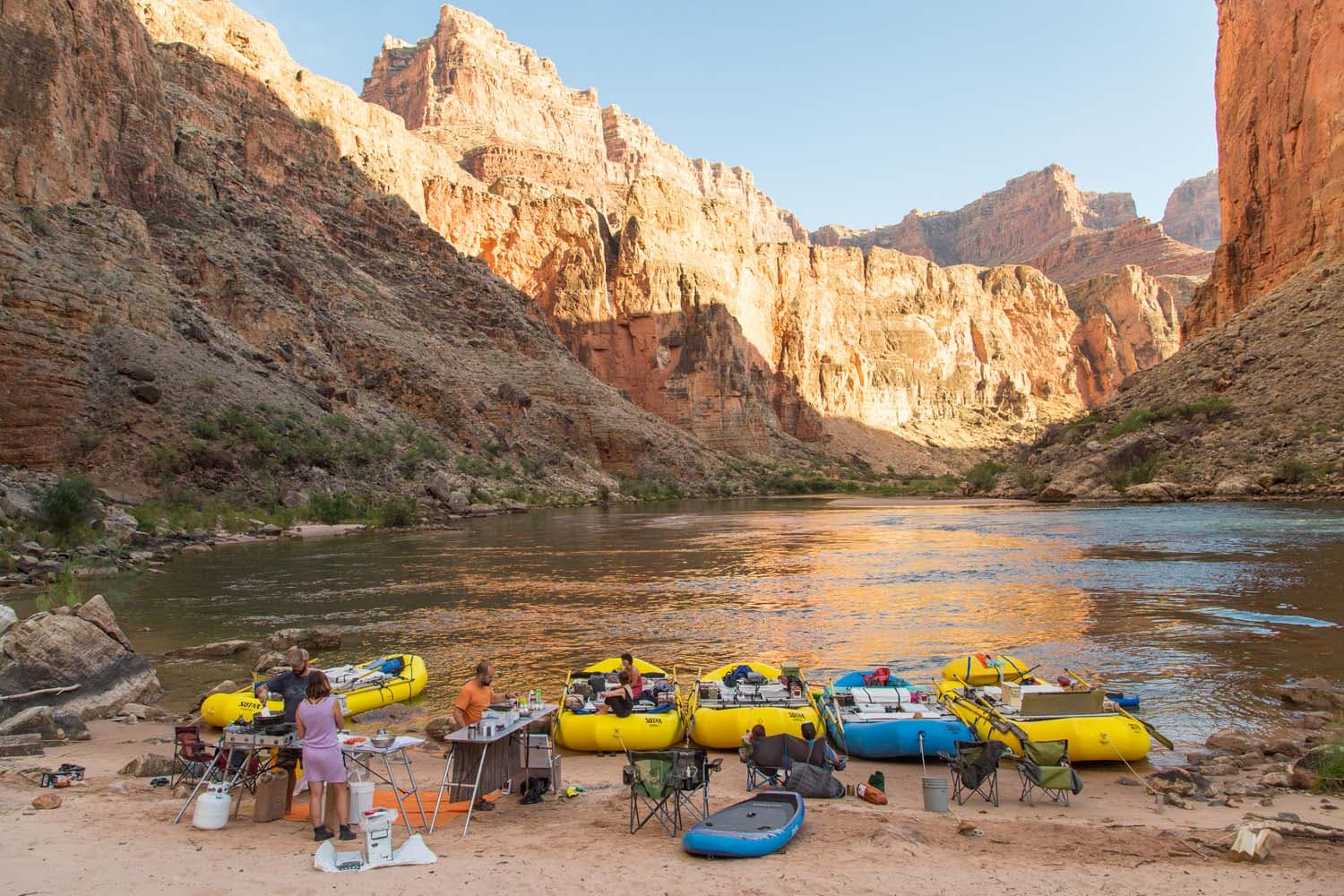
Pick campsites and bivouacs with drainage and flash‑flood risk in mind; desert canyons funnel water fast and high‑basin basins can take gusty runoff. Always place group camps above primary drainage lines and away from narrow slot canyons where a storm upriver becomes a hazard; guides for Southwest Adventure Vacations make that a non‑negotiable during trip briefings. Scout proposed sites on maps beforehand so you can relocate quickly if weather changes.
3. Weather reconnaissance and flash‑flood mitigation
Weather drives safety in the Southwest canyons. Check local forecast models and radar where possible before the trip and again each morning; if radar or ranger reports show storms upriver, move camps to safer ground or delay travel. Guides treat any thunderstorm report for a drainage in your watershed as a red flag — teams adjust plans, consolidate gear near escape routes, and pre‑position evacuation packs when that happens.
4. Water strategy without invention
Because water sources in Utah, Southwest Colorado, New Mexico and Arizona are intermittent, Southwest Adventure Vacations trip planners want an explicit water plan: where the party will resupply, how much reserve each person carries, and which filtration system the guide will use. Plan resupply points and contingency caches rather than relying on chance springs; guides log planned water checkpoints into group documents so guests know when to conserve. Use a mix of personal carrying containers and a crew reservoir so individual exhaustion or lost bottles don’t force a bailout.
5. Navigation, communication, and redundancy
Bring topo maps, route maps, and multiple navigation options — map + compass + a GPS device with preloaded routes — because cell service is unreliable across canyon country and high basins. Southwest Adventure Vacations guides also carry a reliable satellite communicator or PLB for emergency evacuations; the guide’s device is test‑checked before each trip and the emergency protocol reviewed with guests in the first briefing. Teach less experienced guests to read contours and the terrain features that will validate or invalidate the GPS track in tricky canyon walls.
6. Group management and leadership expectations
Define leader and sweep roles before the first step; guides set pace and make conservative decisions for groups in these public lands. Communicate when to rest, when to hydrate, and when a slower hiker must be moved to a conservative plan — the guide’s authority is safety authority. For multi‑day trips, rotate simple leadership tasks (route checking, water counting) so guests stay involved and the guide can maintain situational awareness.
7. Fire policy and stove discipline
In desert canyons and high basins across Utah, Southwest Colorado, New Mexico and Arizona, campfires are often forbidden, ecologically damaging, or both — stoves are the default for cooking and boiling water. Use a canister or liquid fuel stove with a windscreen, never build rock rings or collect wood in cryptobiotic or scarce wood areas, and keep fuel storage away from sleeping systems. Southwest Adventure Vacations guides enforce stove rules and train guests on safe operation and fuel rationing to avoid improvised fires.
8. Human waste and sanitation that respects fragile soils
Desert soils, especially cryptobiotic crusts common in Southwest canyons, are easily damaged and slow to recover; deposit human waste off trails and away from water, and dig catholes where regs permit, or pack it out where required. Trip planners must know whether a drainage area or monument requires pack‑out of solid waste and provide WAG bags or equivalent for groups when needed. Teach guests how to minimize toilet paper and use approved disposal methods; the goal is zero visible impact at abandoned camps.
9. Campsite selection and low‑impact layout
Choose campsites that are durable surfaces, not cryptobiotic soil, within the region’s typical terrain (benchlands in canyons, talus flats in high basins), and avoid ridgelines that disturb fragile vegetation. Lay out tents to concentrate gear, use a single fire‑free kitchen area with stove and trash‑management station, and distribute foot traffic to prevent formation of multiple social trails. Guides should mark a single exit route and emergency assembly point at every camp, and practice it once at dusk.
10. Food storage and wildlife interactions
In canyon country and high basins where mule deer, coyotes, and pack animals may pass, secure food in bear‑resistant containers or hung caches where regulations require it; where hanging isn’t practical, consolidate food in a single drybag and keep it with the guide’s pack. Never leave food scraps or cooking oil in the camp — Southwest Adventure Vacations standard practice is a single burnable or carried‑out trash bag to eliminate scent and wildlife attraction. Brief guests on wildlife distance rules before dark.
11. Medical preparedness and evacuation protocols
Carry a guide‑level first aid kit and a written evacuation plan tied to the nearest access points and ranger stations; in the Southwest canyons, walking evacuation may be miles to a vehicle or ranger contact. Assign someone to maintain the incident logbook (times, symptoms, treatments) and start the satellite communicator or PLB if evacuation is required. Train all trip leaders in hypothermia, heat illness, and wound care where desert abrasions and barbed vegetation are common.
12. Post‑trip stewardship and reporting
After the trip, leads file any permit updates, report campfire or wildlife incidents to land managers, and remove all caches or trail markers they placed. Southwest Adventure Vacations runs after‑action checklists to update route notes and make equipment repairs; guides document any site impact so future groups can avoid the same spots. This closes the loop between trip safety and long‑term land protection.
- Put the conservative return time on the whiteboard in the vehicle and treat it as the plan if weather changes.
- Run a short “what if” briefing at each lunch so the whole group knows the contingency for sudden storms or lost water.
- Test satellite devices at home with a buddy to avoid false confidence in the field.
Practical tips guides use in the field
Conclusion These are the non‑negotiables I’ve used and taught on canyon routes from southern Utah to the high basins of Southwest Colorado and New Mexico: conservative planning, drainage‑aware campsite choice, stove discipline, strict human‑waste procedures, and redundant communications. Keep the checklist with you during briefings and the rules will protect people and protect the landscape — which is the whole point of bringing guests into these fragile places.
Know something we missed? Have a correction or additional information?
Submit a Tip