Bad Bunny’s Madrid residency shows the power of modern live music
Bad Bunny’s ten-night Madrid residency turns scarcity into scale. More than 500,000 tickets and a potential 200 million-euro boost show why stadium residencies now define live music.

The business model behind ten nights
Bad Bunny has turned Madrid into a live-music stress test. His residency at Riyadh Air Metropolitano runs for 10 shows on May 30-31, June 2-3, June 6-7, June 10-11, and June 14-15, 2026, under the DeBÍ TiRAR MáS FOToS World Tour banner. Live Nation Spain lists the Madrid dates as part of that tour, and Atlético de Madrid says the artist will play 10 concerts at the stadium.
That structure matters because a residency is not just a long tour stop. It is a repeated run in one venue over a short period, which concentrates demand, reduces travel logistics, and turns one stadium into a multi-night revenue engine. In the streaming era, where recorded music often drives attention more than direct cash, the live show remains one of the few places where a superstar can control scarcity, pricing, and the fan experience at the same time.
Why Madrid is the strategic prize
Madrid is not simply a convenient stop on a European route. Bad Bunny’s decision to anchor the run there reflects Spain’s role as a bridge between Latin America and Europe, a position that gives the city unusual pull for Spanish-language global acts. EL PAÍS has described Madrid as a benchmark for Latin music in Europe, and that status has only strengthened as stadium-scale Latin acts learn how much one major capital can amplify a tour.
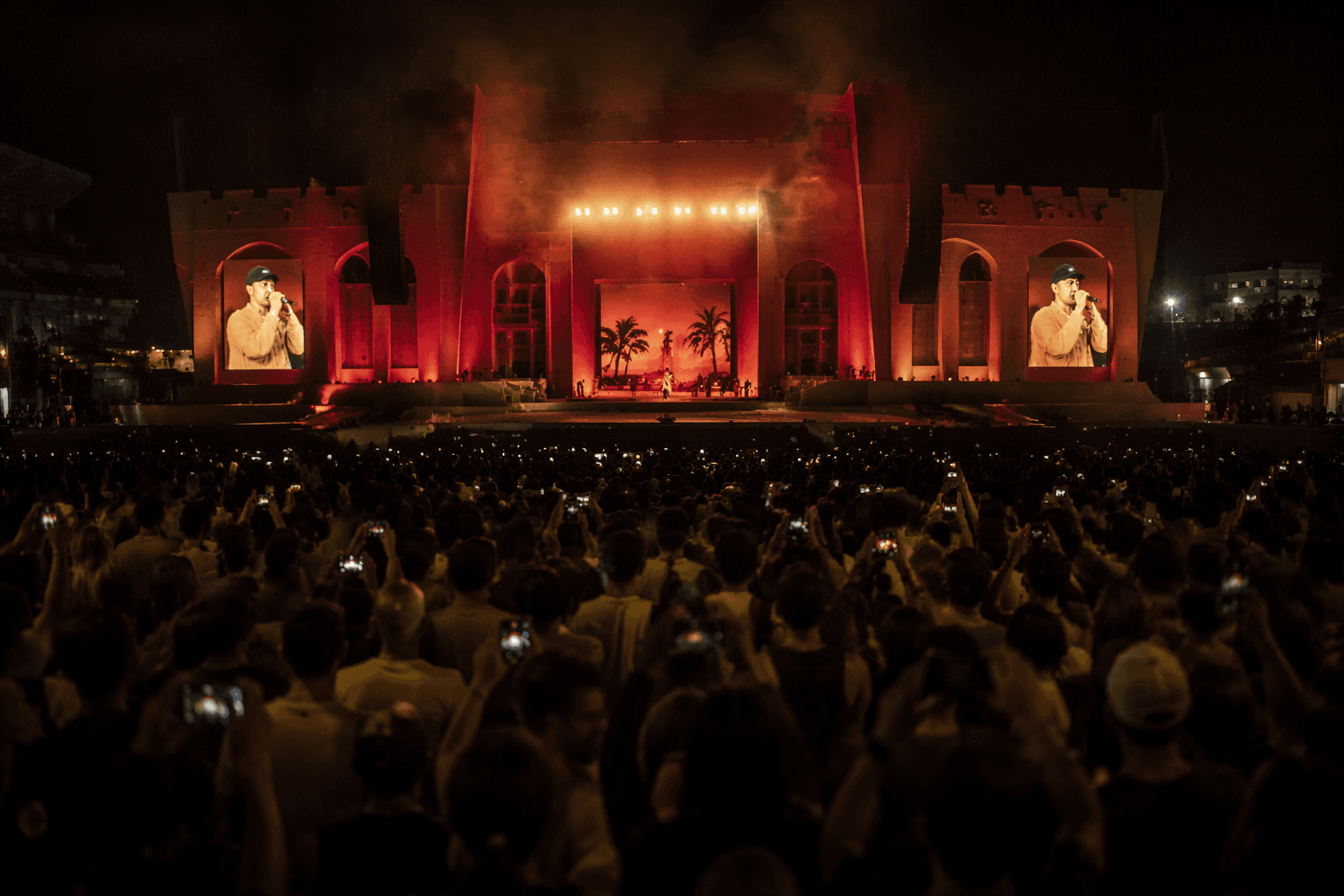
The comparison to Shakira’s 10-concert run is telling. Madrid is increasingly functioning as a continental hub, where an artist can gather Spanish fans, Latin American expatriates, and traveling audiences from across Europe in one place. For an act with Bad Bunny’s scale, the city is not just a destination. It is a distribution point for cultural reach.
The numbers reveal the demand
The ticket demand around the residency shows how powerful the model has become. Some reporting puts sales at more than 500,000 tickets, while broader coverage says 600,000 tickets were sold in Spain across the full Spanish leg, including Madrid and Barcelona. The difference appears to depend on whether the count covers Madrid alone or the entire Spanish run, but either way the scale is extraordinary.
Those figures are especially important because they show how a residency can compress a huge share of an artist’s annual demand into one market. Instead of chasing audiences across dozens of cities, the artist concentrates attention, and the market responds with repeated sell-through. That is the economic logic of modern superstardom: fewer miles, more nights, tighter control over supply, and a premium attached to access.
What the concerts mean for Madrid’s economy
EL PAÍS estimates that the concerts could generate about 200 million euros in economic impact for Madrid. It also says roughly 40% of attendees are expected to come from outside the Madrid region. At the scale of a half-million ticket demand, that share points to a major influx of visitors, many of whom will spend on hotels, restaurants, transport, and retail in addition to the show itself.
That spillover is the hidden value of residencies. The stadium ticket is the headline number, but the larger effect comes from concentrating thousands of travelers into a short calendar window. A run like this can fill hotel rooms for multiple weekends, boost airport and rail traffic, and extend spending well beyond the concert gates. For city leaders, the residency becomes a tourism product as much as a music event.
Why the venue is built for this moment
Riyadh Air Metropolitano is the right scale for an event like this because it already functions as a multi-use mass-event site. Atlético de Madrid says the stadium opened to the public on September 16, 2017, and later hosted the 2019 UEFA Champions League final. That history matters because it signals an arena designed for huge crowds, complex logistics, and global visibility.
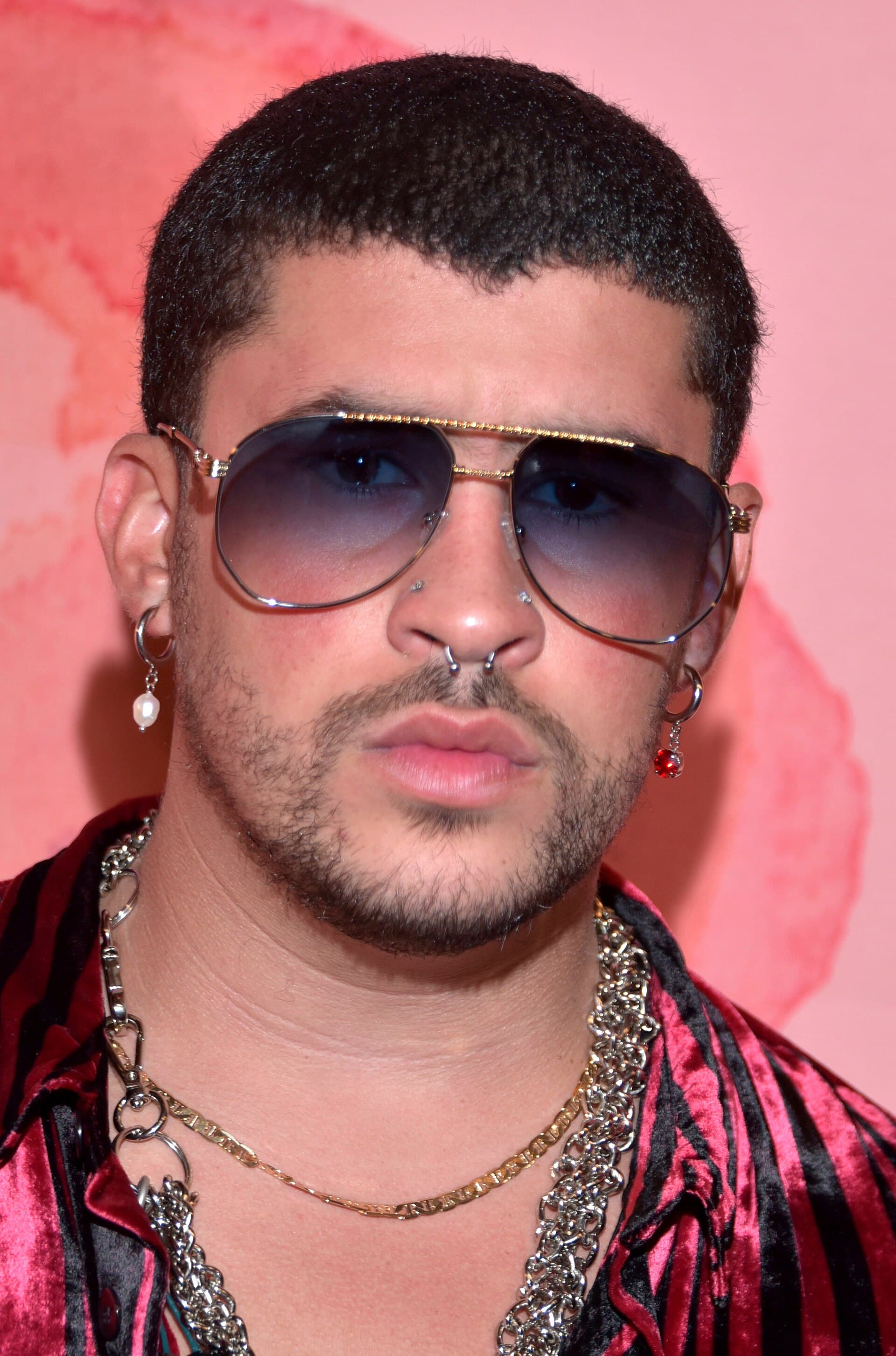
For a residency, the venue’s infrastructure is part of the business model. Reusing the same stage footprint, security setup, transport flows, and back-of-house systems across 10 dates makes the operation more efficient than moving a full production from city to city. The artist also gains more control over the presentation, which helps preserve consistency and build a distinct event identity around one place.
What Bad Bunny’s run says about the future of live music
Bad Bunny’s Madrid residency is more than a successful booking. It is a case study in how the biggest acts now monetize fame in the streaming era: by limiting supply, maximizing repetition, and turning one venue into a must-see destination. The format rewards artists who can fill a stadium night after night, and it rewards cities that can absorb the tourism surge that follows.
That is why the residency model feels increasingly like the new standard for top-tier global acts. It can be highly profitable, logistically efficient, and culturally powerful all at once. The risk is that the format becomes too polished and too familiar, but when an artist with Bad Bunny’s scale uses it well, the result is not a gimmick. It is a reshaping of how live music makes money, moves people, and defines the global center of gravity.
This article was produced by Prism’s automated news system from verified source data, official records, and press releases, then run through automated quality and moderation checks before publishing. The system is built and supervised by the people who set the standards it runs under. Read our full AI policy.
Did this article answer your question?