Bagpipes and Pikachu mark World Cup celebrations across host cities
Scottish fans woke Boston at 6:30 a.m. with bagpipes, while Pikachu sightings showed how World Cup tourists turned host-city streets into the tournament’s public face.
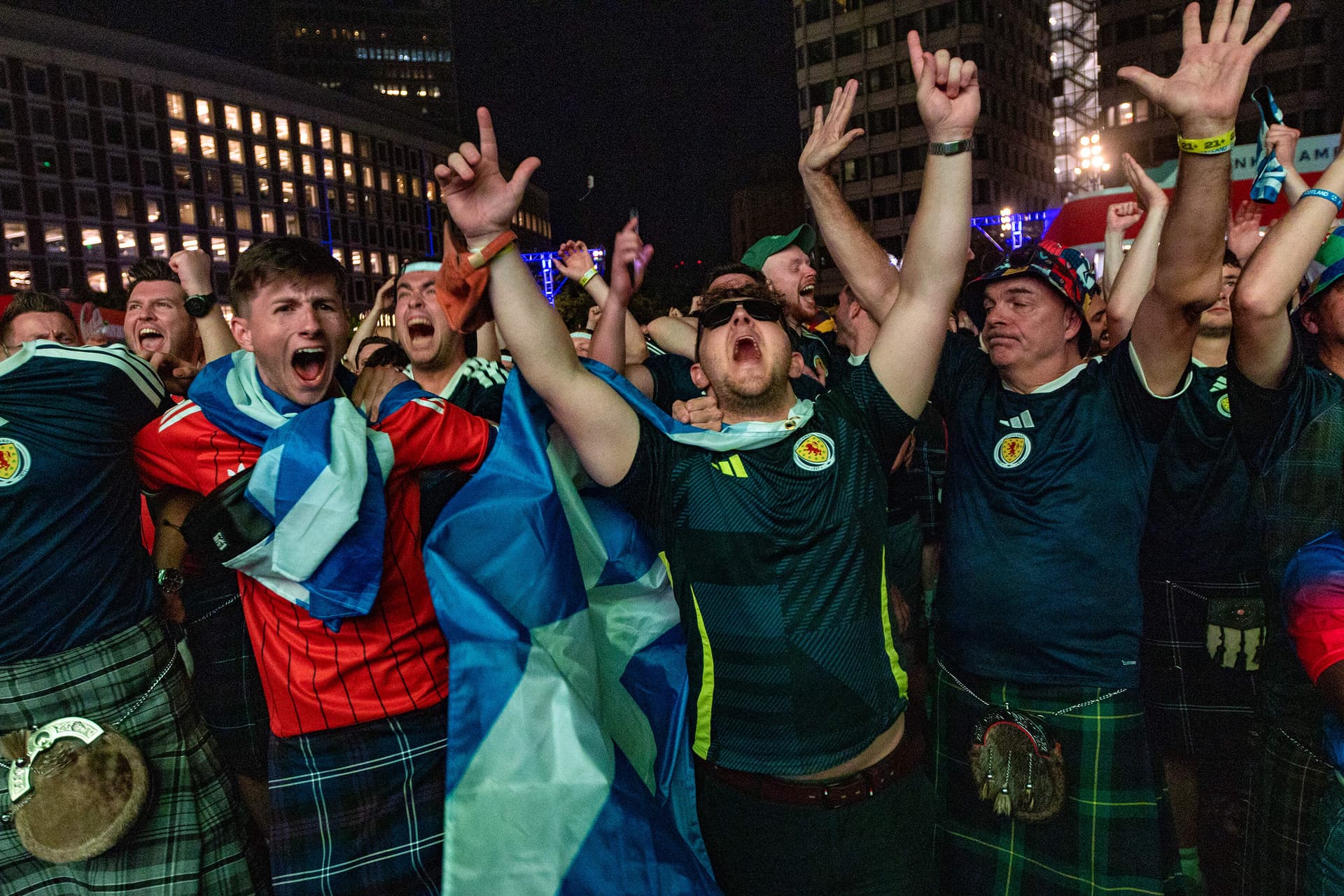
Bagpipes and a Pikachu costume helped turn the opening days of the 2026 FIFA World Cup into a test of how well North America can stage a tournament that stretches far beyond stadium gates. The competition began June 11 and runs through July 19, with 48 teams and 104 matches spread across the United States, Mexico and Canada, the first World Cup ever jointly hosted by three countries.
The most vivid scenes were not always inside the venues. In Boston, Scottish fans woke locals at about 6:30 a.m. on June 11 with bagpipes, a moment that captured how visiting supporters were turning host-city sidewalks and plazas into impromptu celebration zones. The tourist-driven energy, including the sight of Pikachu among the crowds, showed how quickly the tournament was spilling into daily civic life, where commuters, residents and early-morning passersby were meeting the World Cup at street level.
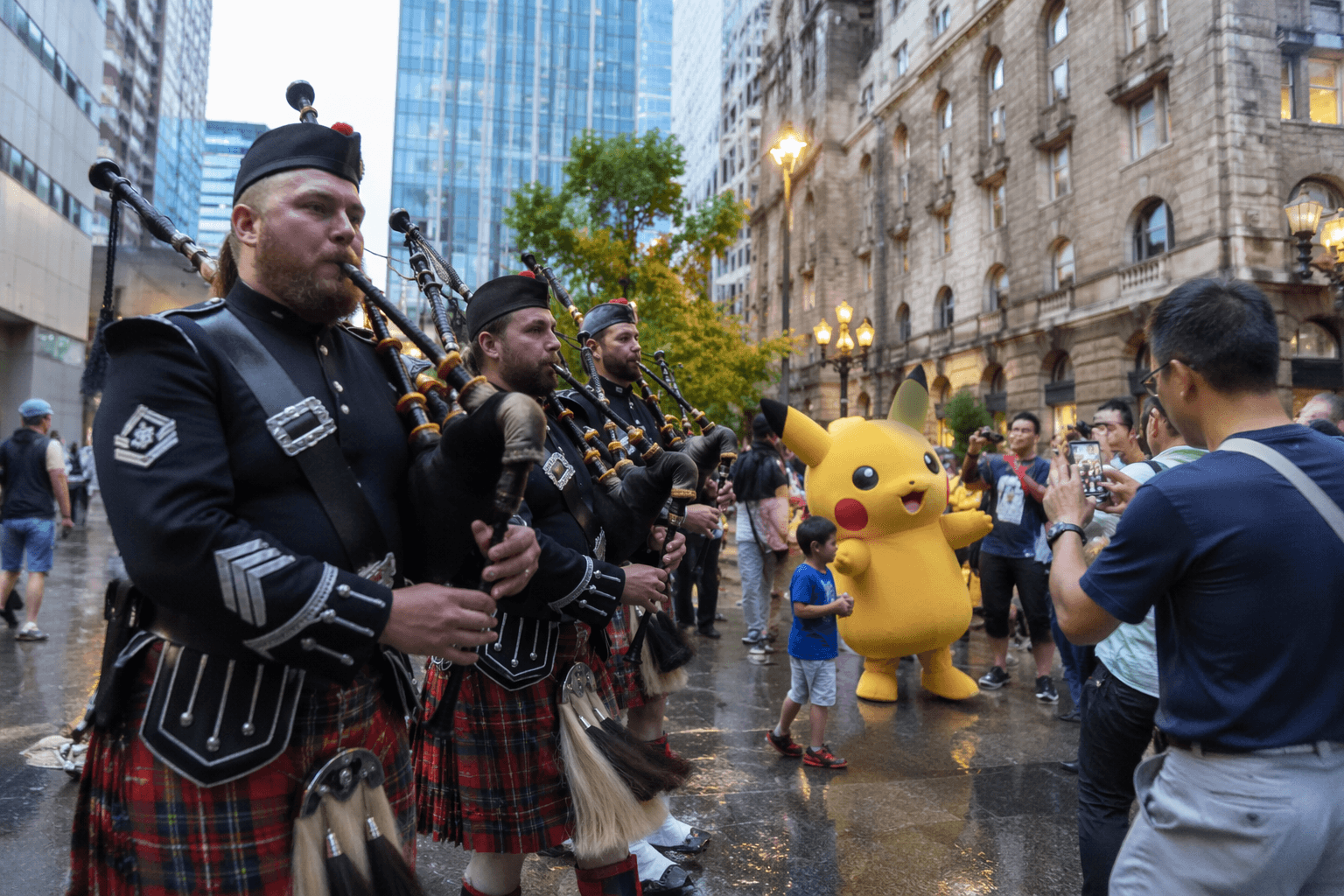
FIFA has framed that spillover as part of the event’s design. The 2026 tournament includes 13 official FIFA Fan Festival sites across Canada, Mexico and the United States, built to give fans without tickets places to watch matches and join the celebrations. Those public spaces are meant to widen the tournament’s reach and keep the festival atmosphere from being confined to the turnstiles.

The United States is carrying the largest share of the load. Eleven American host cities are staging 78 matches, including the final at New York/New Jersey Stadium in East Rutherford, New Jersey. That makes the U.S. leg of the tournament a sprawling logistical exercise, one measured not only by crowd sizes inside the stadiums but also by how well downtowns, transit systems and public gathering spaces absorb the extra traffic.
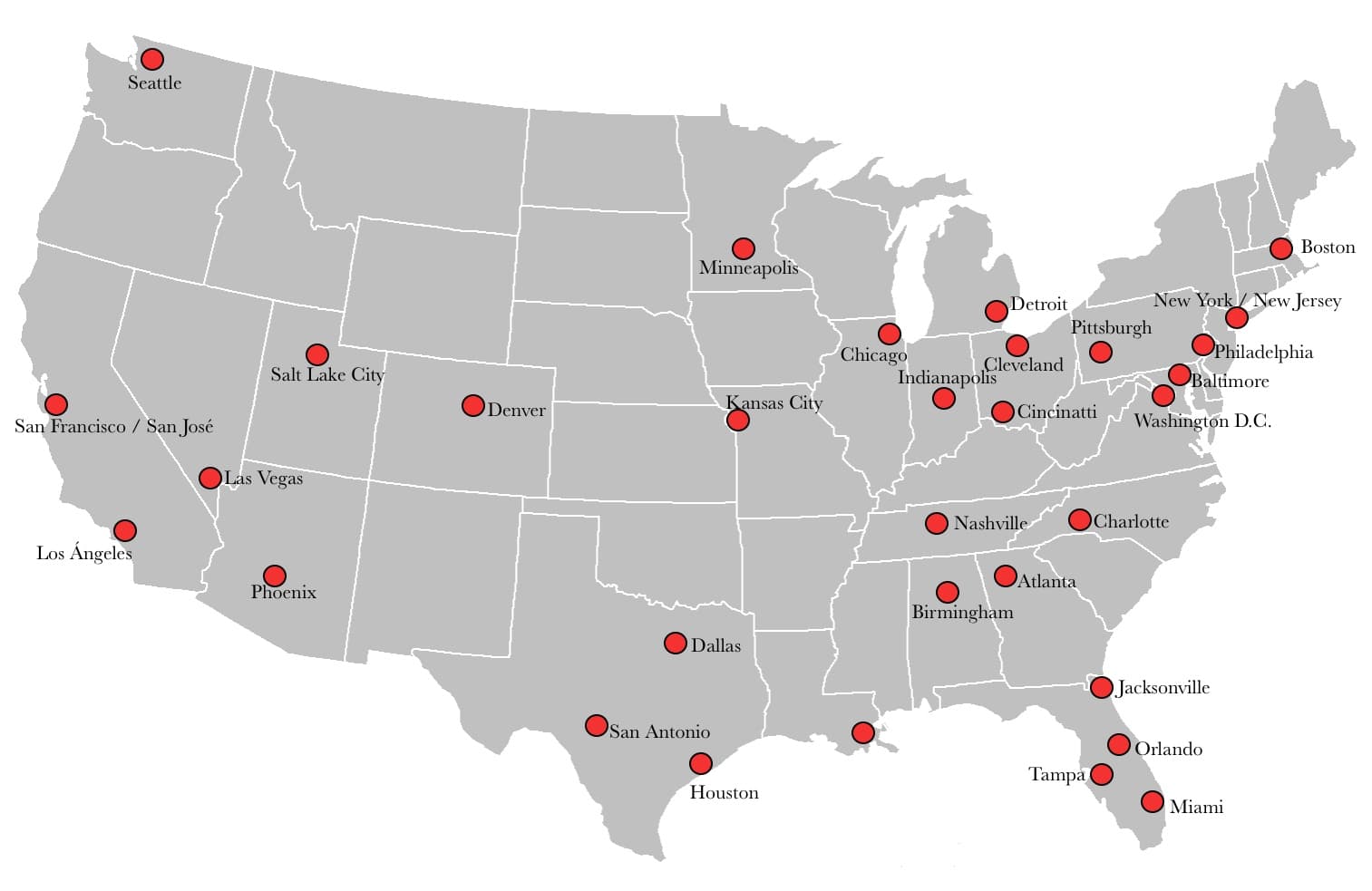
For cities across the country, the early evidence suggests the World Cup is already delivering its most visible economic benefit: people in the streets. From Boston’s bagpipes to the fan festival model FIFA is rolling out across the continent, the tournament is proving to be as much a citywide civic event as a sporting one, with the real test still ahead as matches intensify and the final draws closer in East Rutherford.
This article was produced by Prism’s automated news system from verified source data, official records, and press releases, then run through automated quality and moderation checks before publishing. The system is built and supervised by the people who set the standards it runs under. Read our full AI policy.
Know something we missed? Have a correction or additional information?
Submit a Tip