Bailey says Bank of England must restore confidence in 2% inflation target
Bailey said Britain’s inflation battle now hinges on public trust, as the Bank of England tried to defend the 2% target even with prices still above it.
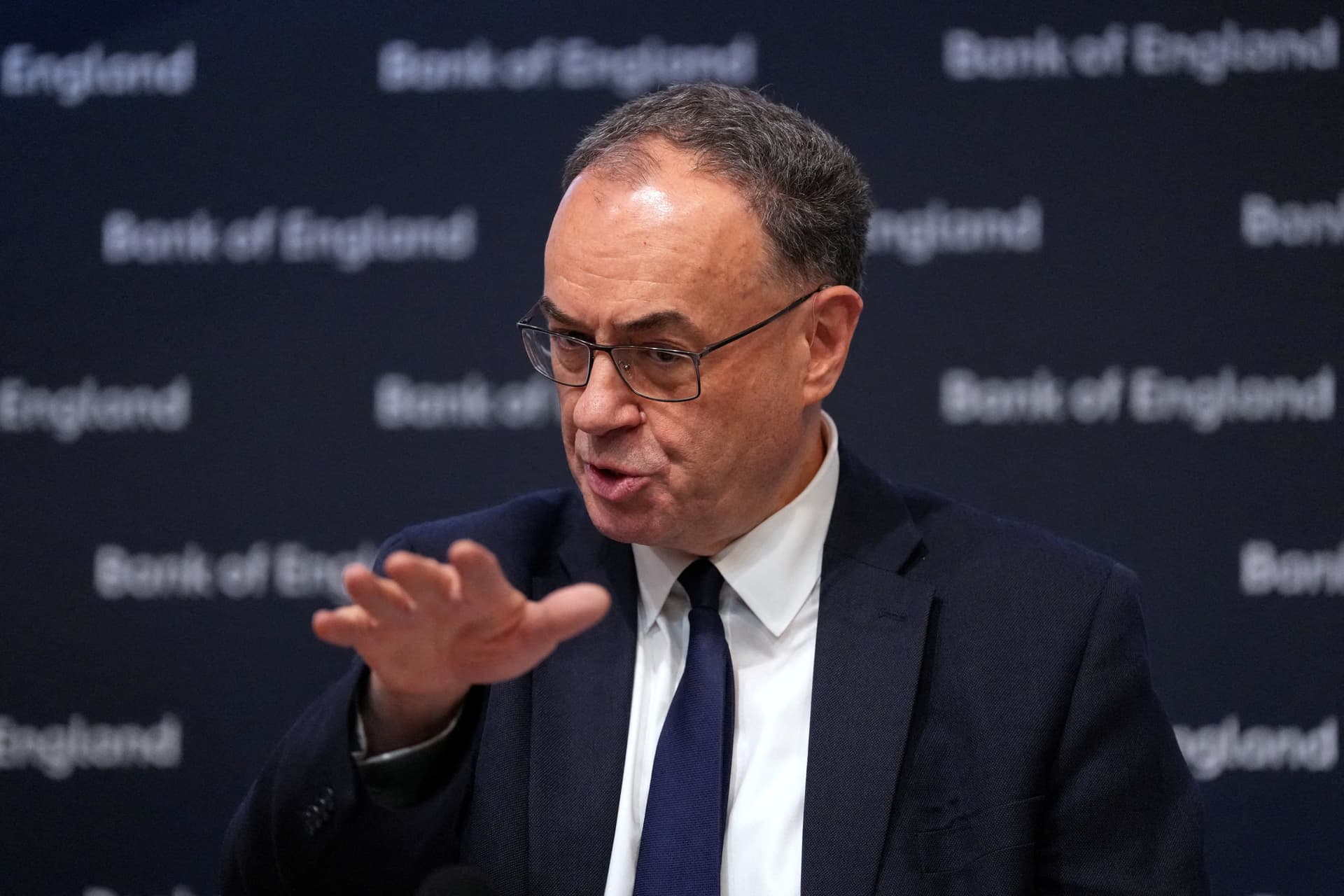
Andrew Bailey used a high-profile hearing in the House of Lords to argue that the Bank of England’s credibility now mattered as much as the next inflation reading. The governor told lawmakers that the public had to believe Britain would return inflation to the 2% target, and he rejected calls to rewrite the central bank’s framework and lift the goal to 3%.
The message was designed as reassurance, but it also carried a warning. Bailey told peers that consumer-price inflation had fallen to 2.8% in April from 3.3% in March, yet the Bank still expected it to rise again, potentially close to 4% by the end of 2026 if energy prices eased only gradually. In a worse scenario, with energy prices rising further and pressure spreading through goods and services, inflation could move above 6% in early 2027. Bailey said that would still be below the peak above 11% reached in October 2022.

The governor’s remarks linked the inflation outlook to the wider energy shock flowing through the Gulf and the Middle East, underlining how quickly imported price shocks can reshape the domestic outlook. That is why Bailey’s argument went beyond the day’s numbers: the Bank is trying to show that short-term overshoots do not amount to a permanent abandonment of its target. The Bank’s official remit says the Monetary Policy Committee must keep inflation at 2% over the medium term, and the target is described as symmetric and applicable at all times, even if shocks justify temporary deviations.
The policy backdrop made the hearing more sensitive. On April 30, the Monetary Policy Committee voted 8-1 to keep Bank Rate at 3.75%, with one member favoring a rise to 4.0%. The Bank said the conflict in the Middle East had made global energy prices highly uncertain, and its latest policy page said the next rate decision was due on June 18. Markets on Tuesday were pricing in roughly a 90% chance that rates would stay unchanged this month, while also seeing one or possibly two increases by year-end.

That combination of steady rates, still-elevated inflation and geopolitical risk explains Bailey’s emphasis on trust. Reuters reporting on the Citi/YouGov survey showed British households’ inflation expectations eased in May after hitting their highest since 2023 in March, while January data had already shown expectations at the highest since October 2025. For the Bank, the challenge is no longer only bringing inflation down. It is convincing households and businesses that the 2% target still means something.
This article was produced by Prism’s automated news system from verified source data, official records, and press releases, then run through automated quality and moderation checks before publishing. The system is built and supervised by the people who set the standards it runs under. Read our full AI policy.
Did this article answer your question?