Balochistan train blast kills 24, BLA claims suicide bombing
A blast near a Quetta railway track killed at least 24 people, including women and children, and the Baloch Liberation Army said its Majeed Brigade carried out the attack.

A powerful blast in Quetta killed at least 24 people and injured about 70 more after it struck a train carrying military personnel and their families near a railway track in the Faquir Abad area, deepening concerns over security in Pakistan’s restive Balochistan province. Officials said the toll could still rise as rescue teams worked through the wreckage.
The explosion derailed at least two coaches and sent fire and thick black smoke into the air. Security forces cordoned off the area as rescue operations continued, with officials describing the blast as severe and warning that more victims could be found amid the damage. The attack hit the provincial capital of Balochistan, a province that has long faced a low-level separatist insurgency and repeated assaults on transport and security targets.
Prime Minister Shehbaz Sharif called the attack a “cowardly act of terrorism” on social media. Balochistan Chief Minister Sarfraz Bugti said “innocent civilians, including women and children” were among the dead, underscoring how the violence reached beyond the intended military target and once again left families caught in the blast zone.
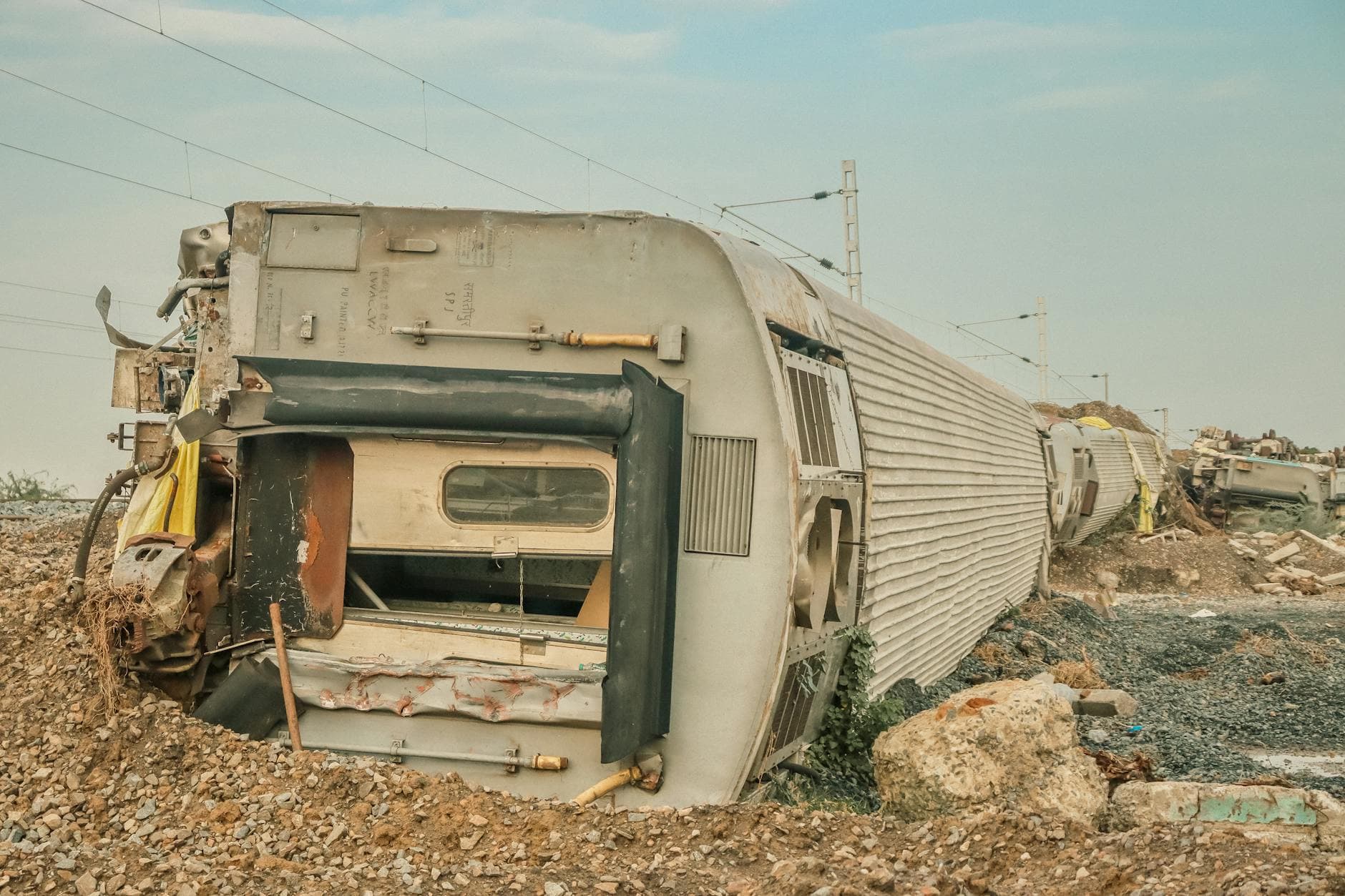
The Baloch Liberation Army claimed responsibility and said its Majeed Brigade carried out a suicide bombing. The outlawed separatist group has spent years challenging Pakistan’s central government and has repeatedly targeted security forces, government installations and civilians in Balochistan. Quetta has remained a focal point of that violence because of its rail links, military presence and symbolic importance as the provincial capital.
The attack also revived memories of a major suicide bombing at a train station in Balochistan in 2024 that killed at least 26 people, including soldiers. With another mass-casualty strike hitting rail infrastructure, the latest blast exposed how vulnerable civilian and military transport remains in a province where the insurgency has outlasted repeated promises of tighter security and stronger federal control.
This article was produced by Prism’s automated news system from verified source data, official records, and press releases, then run through automated quality and moderation checks before publishing. The system is built and supervised by the people who set the standards it runs under. Read our full AI policy.
Did this article answer your question?


