Baltimore museums and volunteers fill MLK weekend with community programming
Museums, arts groups and volunteers staged Jan. 17–19 programs and service events across Baltimore to honor MLK’s legacy and strengthen local community ties.
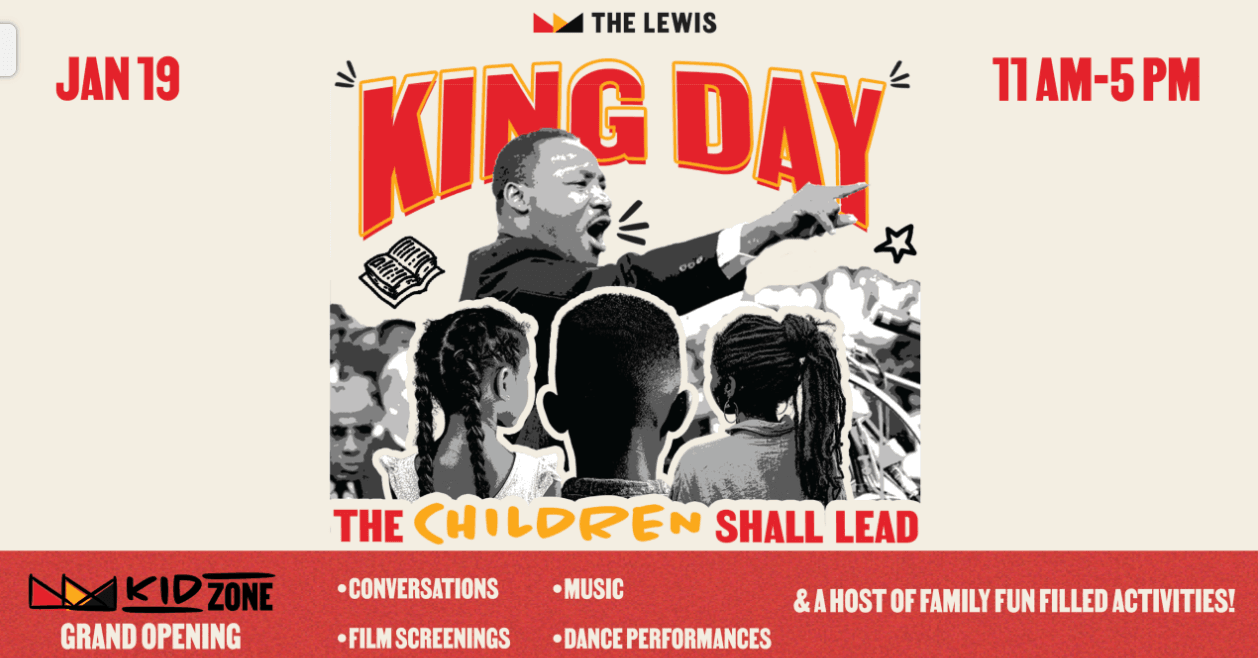
Museums, arts organizations and neighborhood volunteers in Baltimore mobilized over the Martin Luther King Jr. Day weekend under the 2026 theme "Mission Possible 2: Building Community," offering a mix of cultural programs, family activities and hands-on service opportunities that aim to deepen civic ties and address local needs.
The weekend's offerings included "Freedom in Fabric: The Legacy of African American Quilting" at the B&O Railroad Museum, 901 W. Pratt St.; an MLK Arts Celebration at The Walters Art Museum, 600 N. Charles St.; the Reginald F. Lewis Museum’s "King Day | The Children Shall Lead" programming focused on youth engagement; and the American Visionary Art Museum's free "Dare to Dream" day. Neighborhood-based clean-ups and volunteer projects ran alongside museum events across the metro area, giving residents multiple in-person options to take part.
Events that began Saturday continued into today, with several museum programs and volunteer efforts open for families, students and neighbors looking for ways to translate Dr. King’s commitment to service into local action. Free admission at the American Visionary Art Museum’s "Dare to Dream" day lowered economic barriers to participation, while the Reginald F. Lewis Museum's children-focused programming aimed to connect young people with civic history and leadership opportunities.
These gatherings have public health implications beyond cultural enrichment. Community clean-ups can reduce environmental hazards that disproportionately affect neighborhoods with long-standing disinvestment. Regular civic engagement and access to culturally relevant programming support mental health and social cohesion, key drivers of community resilience. For Baltimore residents facing transportation or financial hurdles, free and low-cost events create critical access points to civic life and learning.

The weekend also highlights persistent policy and equity questions. Sustaining free or subsidized entry, funding neighborhood-led clean-ups, and ensuring transit links to cultural institutions require municipal and philanthropic support. Without consistent investment, neighborhoods already burdened by limited services will miss out on the social and health benefits that come from programs like these.
For readers, the weekend offered concrete ways to participate: attend exhibits, bring children to educational programming, or join a local clean-up. Beyond one weekend, the challenge for Baltimore is to translate short-term engagement into long-term investments that close access gaps and build healthier, more connected neighborhoods.
Sources:
Know something we missed? Have a correction or additional information?
Submit a Tip