Bangladesh launches emergency measles vaccination drive amid outbreak
Bangladesh’s measles surge reached 19,161 suspected cases and 166 deaths, forcing an emergency campaign for 1.2 million children as the virus raced through 58 districts.
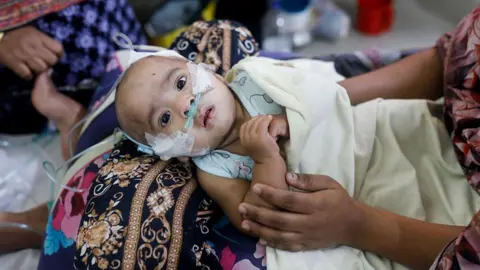
A measles outbreak that has already spread across most of Bangladesh forced health officials into emergency response mode as the country scrambled to vaccinate children before the virus could move faster than the health system could catch it.
The World Health Organization said Bangladesh notified it on April 4 of a nationwide rise in measles cases affecting 58 of 64 districts across all eight divisions. By April 14, WHO said the country had reported 19,161 suspected cases, 2,897 laboratory-confirmed cases and 166 measles-related deaths. The agency said 79% of reported cases were children under 5, a reminder that measles remains most dangerous where immunity is weakest and routine protection has been missed.
Bangladesh’s National Immunization Technical Advisory Group approved an emergency measles-rubella campaign on March 30. The drive began on April 5 in 30 upazilas across 18 high-risk districts, targeting more than 1.2 million children ages 6 months to 5 years. UNICEF said the campaign was expanded to four city corporations on April 12 and rolled out nationwide from May 3, as officials tried to close the immunity gaps that let the outbreak explode.
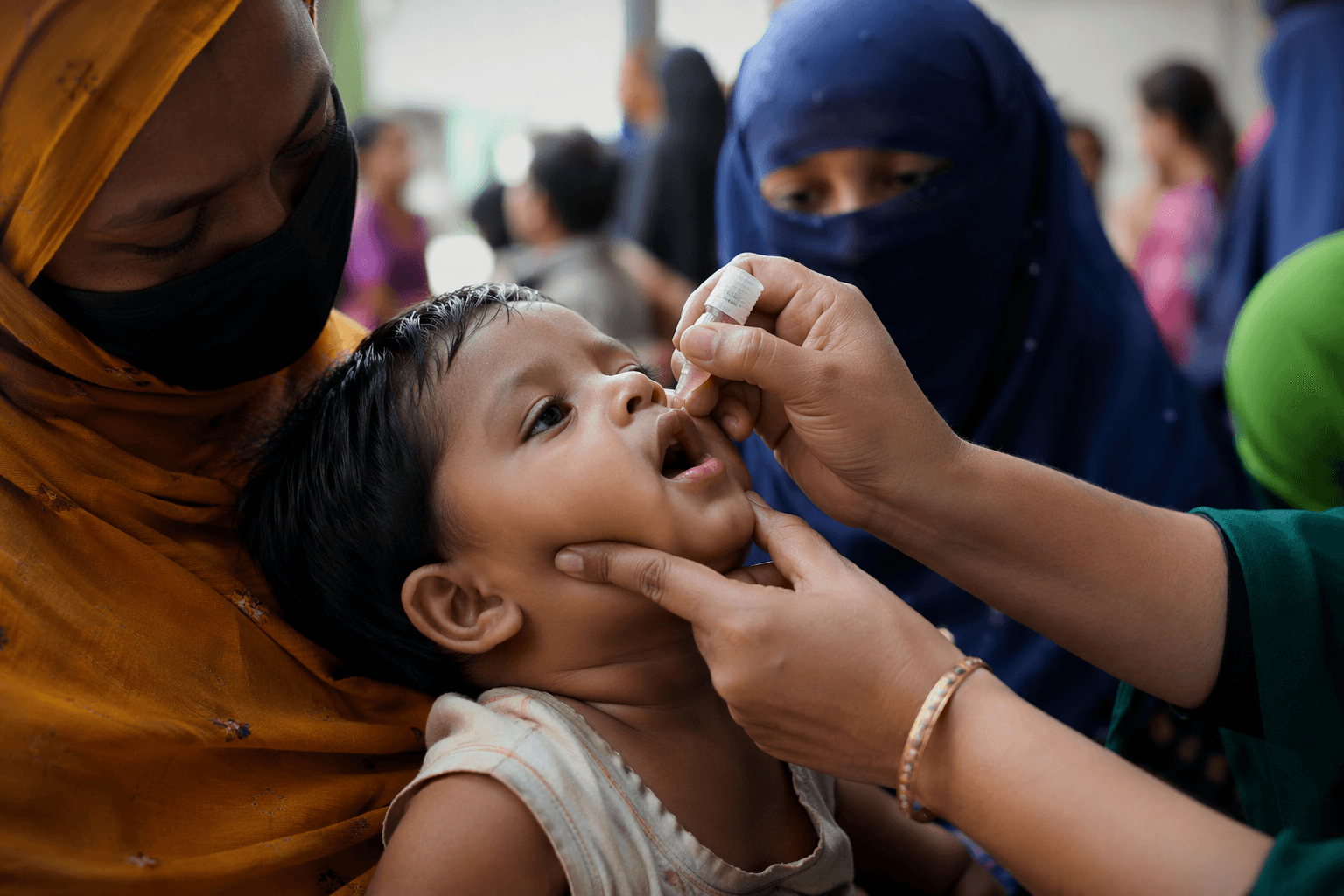
The scale of the spread reflected how quickly measles can outrun a country when coverage slips. UNICEF’s April 8 situation report, covering conditions through April 7, put the tally at 9,883 suspected cases, 1,398 confirmed cases and at least 128 suspected deaths. It said 81% of cases were in children under 5 and 34% were in infants under 9 months, underscoring how easily the virus finds children too young to be fully protected. WHO said the national risk level was high because of ongoing transmission, susceptible children, immunity gaps and suspected measles-related deaths.
The outbreak appears to have begun in January, with the first case reported in the Rohingya camps in Cox’s Bazar, where overcrowding and close contact make transmission harder to contain. Bangladesh had recorded only 125 measles cases in all of 2025, according to reporting cited by the British Medical Journal, after years of roughly 90% to 95% measles-rubella coverage following the introduction of the combined vaccine in 2012. That hard-won progress was shaken by the pandemic-era dip in immunization.
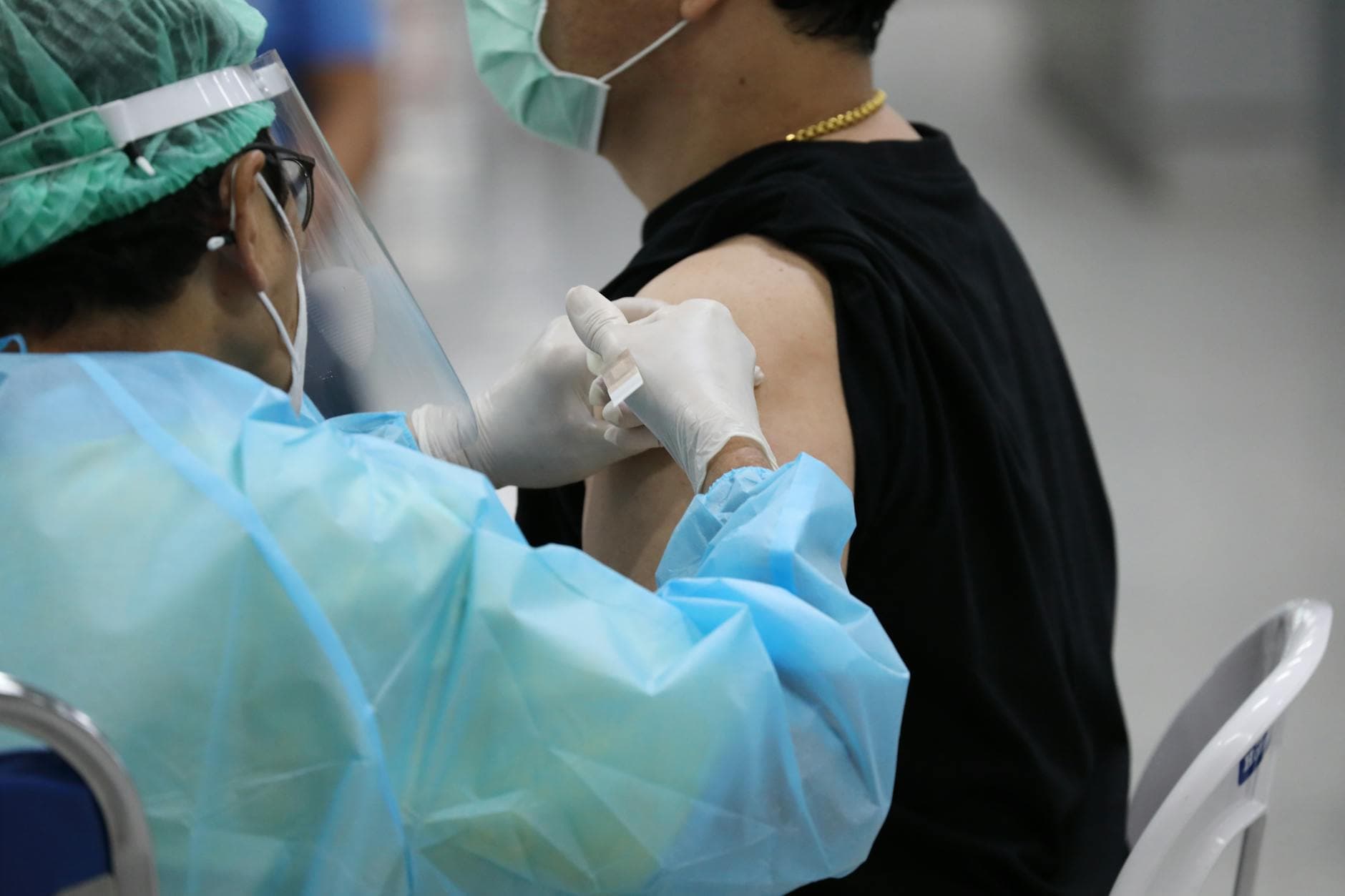
By May 19, WHO said more than 166,000 children in the Rohingya camps had been vaccinated as part of the response. The lesson reaches far beyond Bangladesh: measles exploits every gap, and in an era of constant travel, an outbreak that begins in one crowded setting can quickly become a warning for countries like the United States, where lapses in coverage can turn imported cases into local chains of transmission.
This article was produced by Prism’s automated news system from verified source data, official records, and press releases, then run through automated quality and moderation checks before publishing. The system is built and supervised by the people who set the standards it runs under. Read our full AI policy.
Did this article answer your question?