Bangladesh presses China for more market access and project backing
Tarique Rahman pressed Xi Jinping for more Bangladeshi market access as the trade gap with China swelled to about $20.66 billion and debt burdens tightened Dhaka’s room to maneuver.

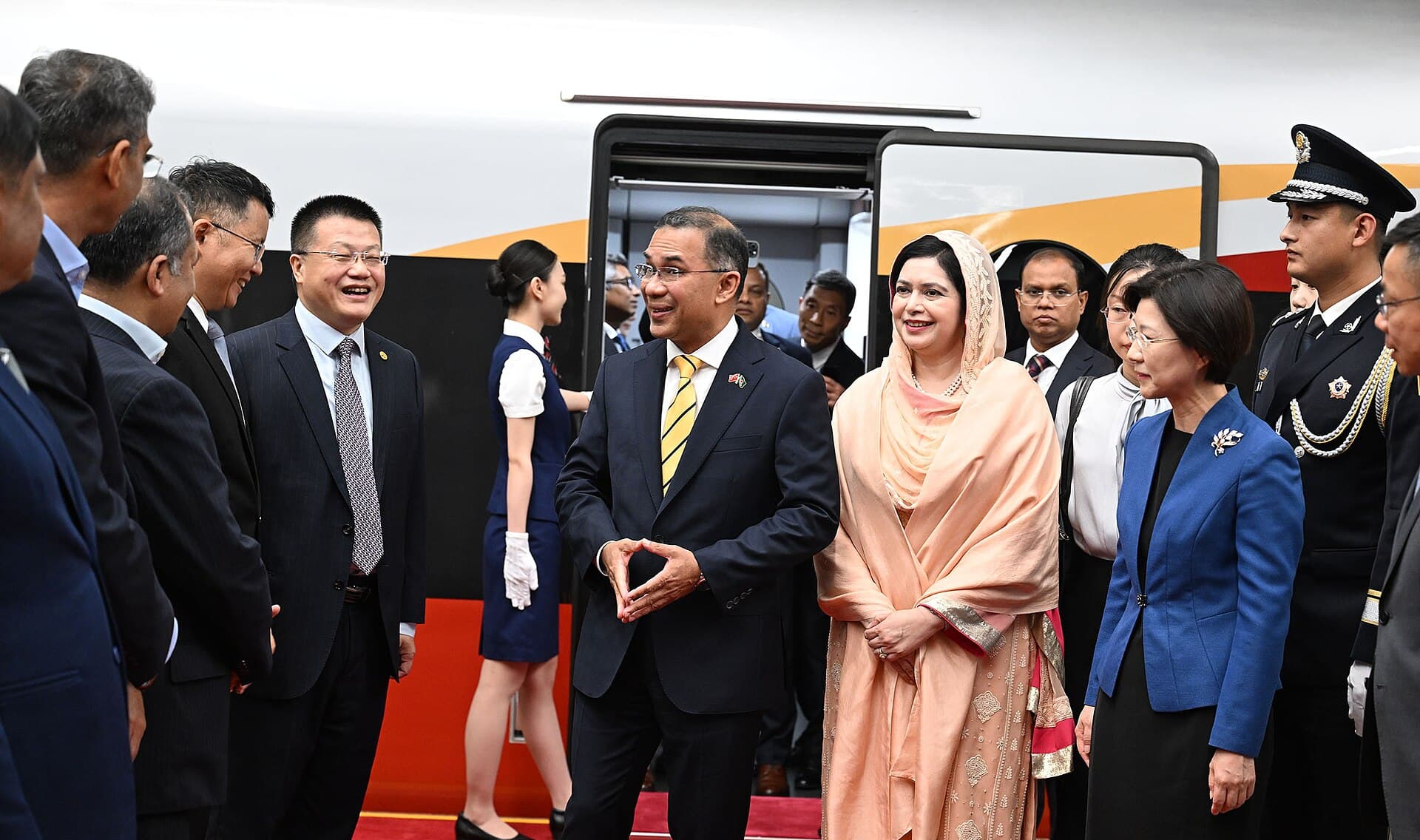
Bangladesh Prime Minister Tarique Rahman pressed Xi Jinping in Beijing on Friday to narrow the trade gap, open more of China’s market to Bangladeshi goods and back major development projects as Dhaka tried to reset its most lopsided economic relationship.
Rahman urged China to buy more fresh mangoes, jackfruit, guava, aquatic products, raw leather, jute products and pharmaceuticals from Bangladesh, and he said the country needed support to implement signature projects and modernize existing industrial units. The meeting came during a three-day trip that began Wednesday and marked Rahman’s first visit to China since becoming prime minister in February, following an initial stop in Malaysia. China’s foreign ministry announced on June 22 that the visit would run from June 24 to 26 at the invitation of Premier Li Qiang.
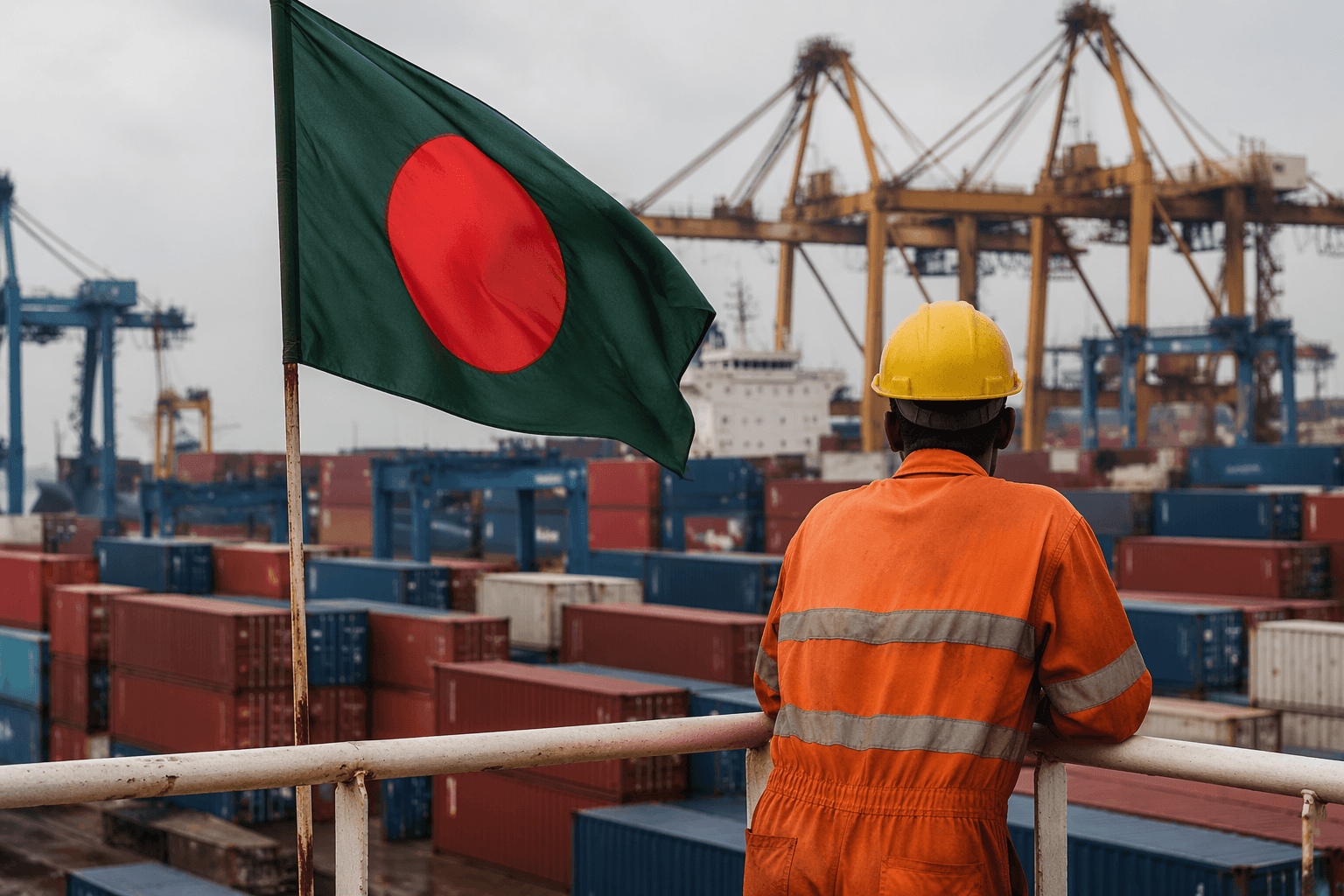
Bangladesh’s trade deficit with China widened to about Tk 2.54 trillion, or roughly US$20.66 billion, in fiscal year 2024-25, driven by imports of machinery, electronics, industrial raw materials and capital goods. China exported US$22.88 billion worth of goods to Bangladesh in 2024. Bangladesh Bank data also put the country’s broader external debt at US$104.76 billion in March 2025.

Beijing said it was willing to import more Bangladeshi products, support investment by Chinese companies and expand cooperation in new energy, the digital economy and artificial intelligence.
Sheikh Hasina was closer to India, but Rahman has been broadening Bangladesh’s foreign-policy options since taking office, even as India remains the more powerful neighbor and a long-standing source of strategic tension. In March 2025, Bangladesh and China reached a US$2.1 billion package of investment, loans and grants, and in May 2026 Dhaka formally sought Chinese support for the Teesta River Comprehensive Management and Restoration Project. During Rahman’s Beijing visit, the two sides agreed to deepen cooperation on Teesta and other river-management issues.
This article was produced by Prism’s automated news system from verified source data, official records, and press releases, then run through automated quality and moderation checks before publishing. The system is built and supervised by the people who set the standards it runs under. Read our full AI policy.
Know something we missed? Have a correction or additional information?
Submit a Tip