Two passenger trains collide near Białośliwie in Poland, injuring two
Two passenger trains collided near Białośliwie, injuring two and sending 16 fire brigade teams to the tracks. About 200 people were on board.
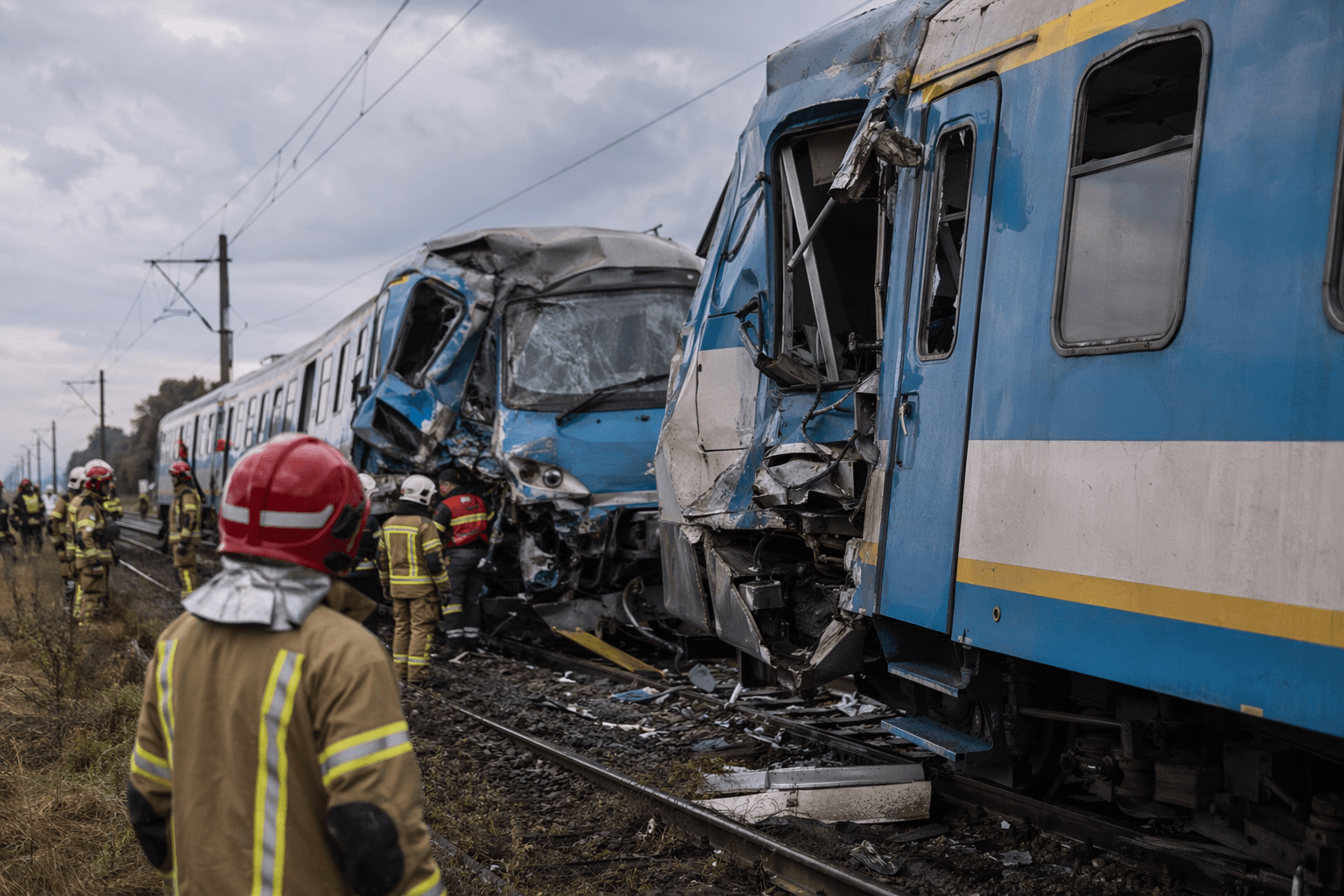
Two passenger trains collided near Białośliwie in west-central Poland on Thursday, injuring two people and prompting a major emergency response in the Greater Poland region. Fire brigade teams were sent in force, and later reports put the number at 16 units at the scene.
Paweł Rykowski, the fire brigade spokesperson, said the trains were running from Kołobrzeg to Warsaw East station and from Piła to Bydgoszcz. He said the collision happened at about 6:04 p.m. local time and involved about 200 people on board. Early television coverage from the region said two people were hurt, while later accounts suggested the injuries were not serious and that the passenger count may have been closer to 220, showing how quickly the basic facts were still shifting in the first hours.
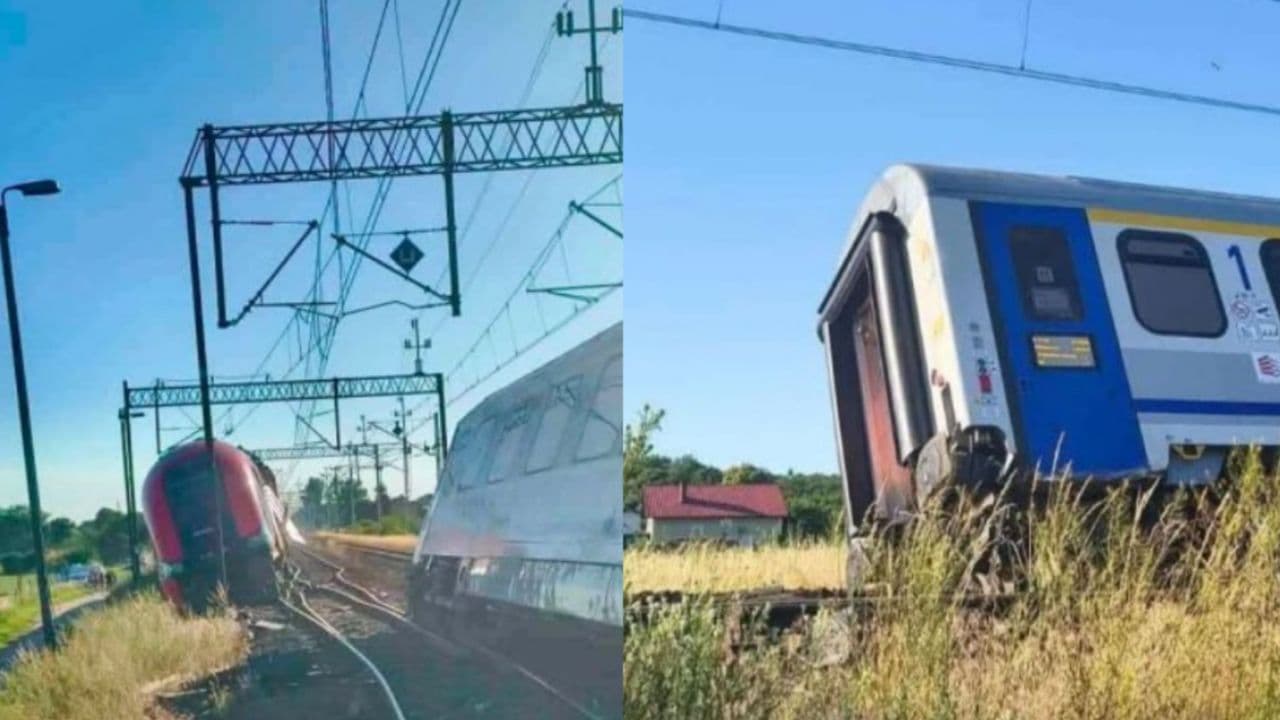
Footage from the scene showed passengers standing beside the tracks and several carriages derailed or partly off the rails. Travelers were forced to evacuate onto the tracks in Białośliwie as crews worked to secure the area and prevent further danger. The scene suggested a significant disruption on a busy regional rail corridor that links passenger services across northern and central Poland.
For investigators, the first questions will be mechanical and operational: whether a signaling failure, a dispatching error, a spacing problem or a track condition allowed two passenger trains to end up in conflict. The damage pattern also raises the question of whether the trains were on the same line segment and whether the collision was head-on, rear-end or the result of a routing mistake. Those details matter because rail safety in Europe depends on layered protections, from signal control and train separation to maintenance checks that are meant to keep trains from occupying the same stretch of track.
The crash is also a reminder that rail’s strong safety record is not automatic. European systems are generally built to prevent exactly this kind of collision, yet a failure anywhere in the chain of signaling, traffic control or upkeep can turn a routine trip into an evacuation and a derailment. In Poland, as in the rest of Europe, the accountability test now begins with the records that show who cleared the line, how the trains were separated and whether the infrastructure performed as intended.
This article was produced by Prism’s automated news system from verified source data, official records, and press releases, then run through automated quality and moderation checks before publishing. The system is built and supervised by the people who set the standards it runs under. Read our full AI policy.
Know something we missed? Have a correction or additional information?
Submit a Tip