Bank of America, Goldman delay Fed rate cut expectations amid strong jobs, inflation risks
Higher jobs and inflation readings pushed Bank of America and Goldman Sachs to delay Fed cuts into 2027, keeping borrowing costs elevated longer.
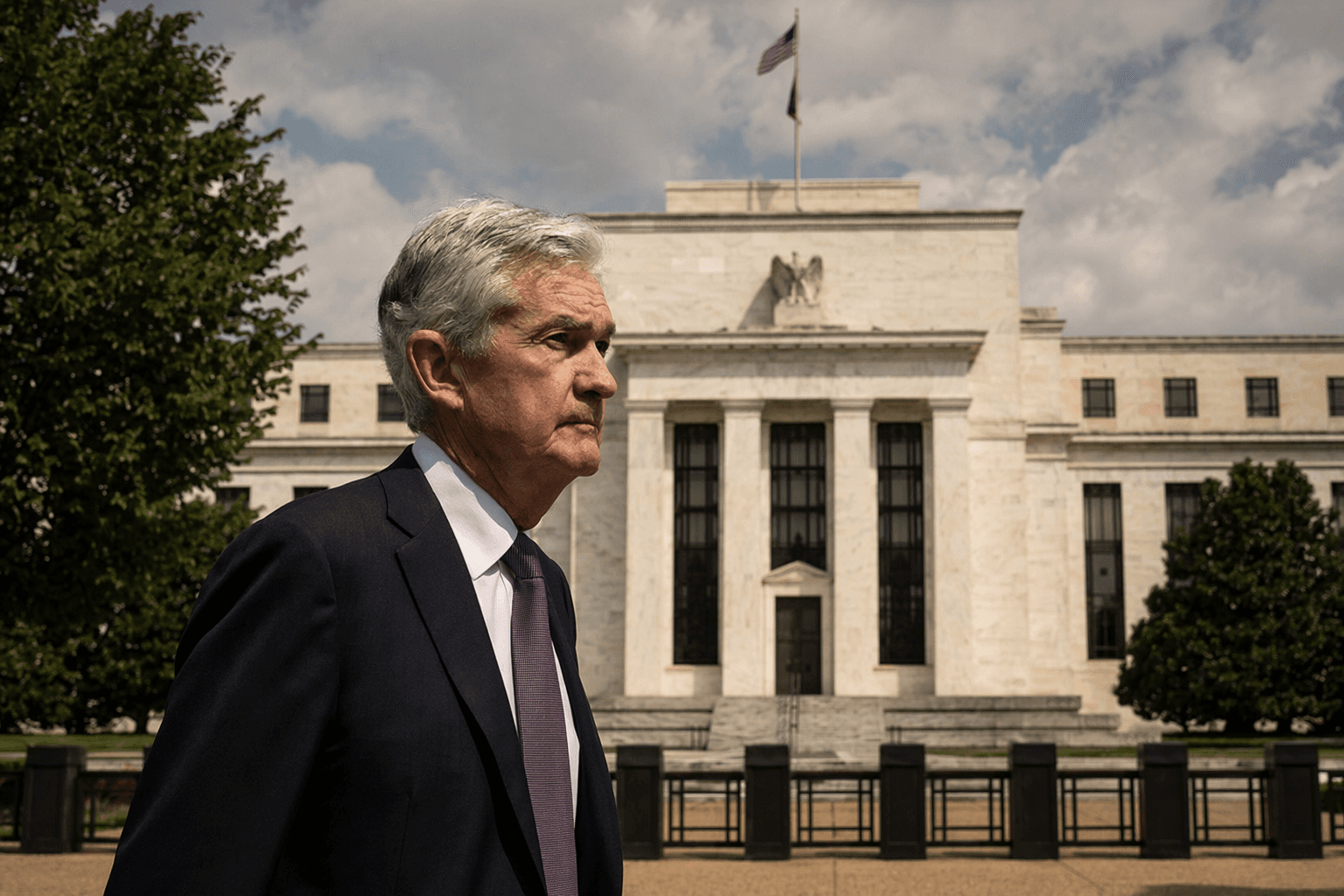
Americans facing mortgages, credit-card bills, auto loans and business borrowing costs may be stuck with higher rates for longer after Bank of America Global Research and Goldman Sachs pushed back their expectations for Federal Reserve cuts.
Bank of America now expects the Fed to stay on hold for the rest of 2026, with cuts not arriving until July and September 2027. Goldman Sachs has shifted its forecast to December 2026 and March 2027, backing away from a call for an earlier first cut as soon as September 2026. The change reflects a broader Wall Street reassessment of how fast inflation will cool while energy prices remain elevated and growth holds up.
The latest U.S. labor-market data strengthened that case. The U.S. Bureau of Labor Statistics said nonfarm payrolls rose by 115,000 in April, after a revised gain of 178,000 in March. The unemployment rate held at 4.3%, labor-force participation was 61.8% and the number of unemployed people stood at 7.4 million. For policymakers trying to bring inflation back to 2% without choking off the expansion, that combination signaled an economy still resilient enough to keep pressure on the Fed to wait.
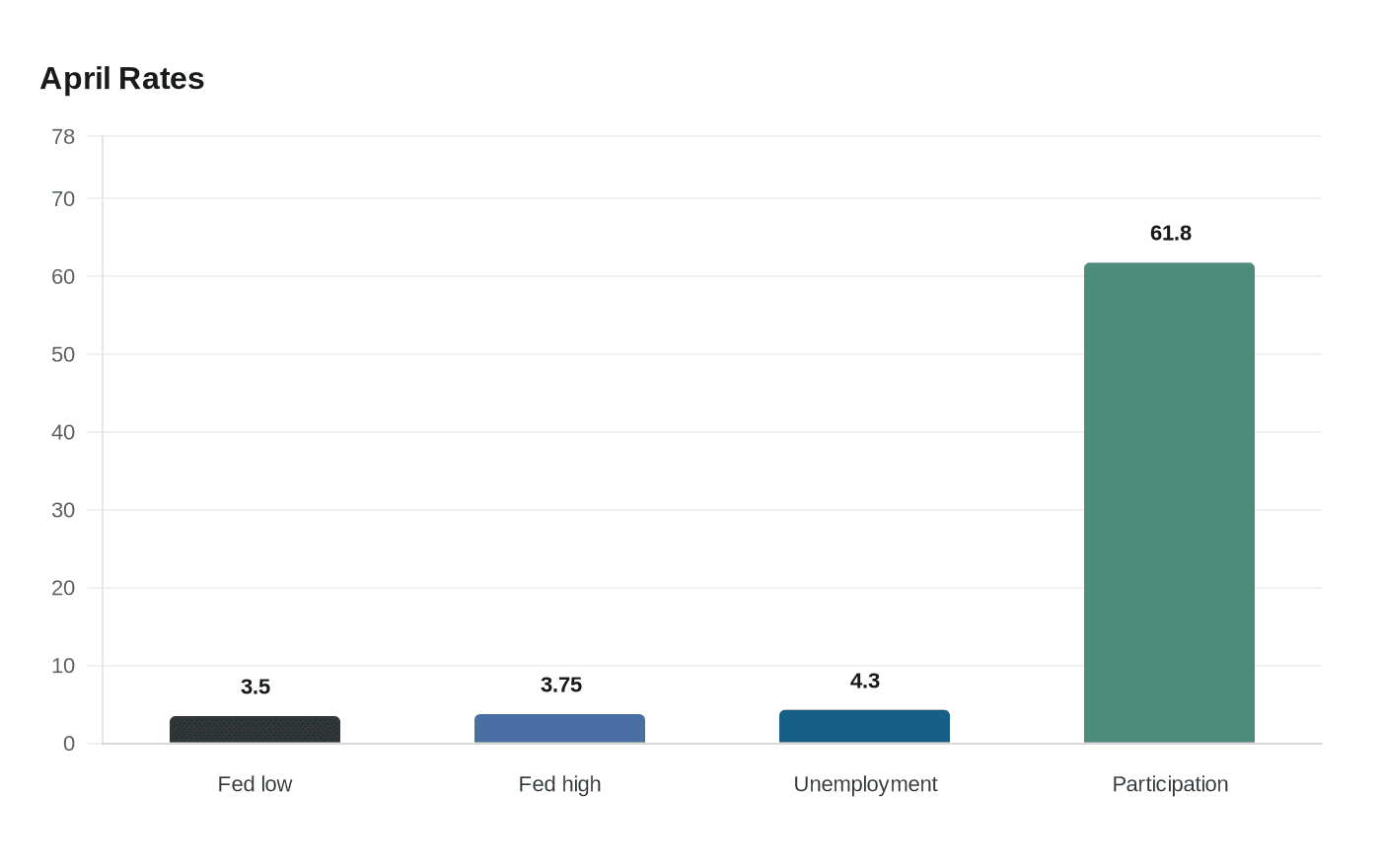
The central bank itself leaned that way at its April 29 meeting, leaving the federal funds rate in a range of 3.5% to 3.75%. The vote was unusually split, 8-4, the narrowest margin since 1992, underscoring how divided officials are over how quickly inflation can be squeezed out without damaging growth. The Fed said the economy had been expanding at a solid pace and that inflation remained elevated, in part because of recent global energy-price increases.
Jerome Powell added to that caution, saying developments in the Middle East were contributing to a high level of uncertainty about the outlook and that near-term inflation expectations had risen this year, likely because of the sharp increase in oil prices. With a 10-week-old war helping drive energy markets higher, policymakers are having to weigh domestic data against a global shock that could keep prices sticky.
For borrowers, the result is straightforward: if rate cuts keep slipping, the cost of carrying debt will stay elevated. That extends the squeeze on households with variable-rate credit, on car buyers financing new vehicles and on companies planning investment, hiring or refinancing. The Fed’s reluctance to move, combined with stronger-than-expected jobs data, has turned a near-term easing story into a longer wait for relief.
This article was produced by Prism’s automated news system from verified source data, official records, and press releases, then run through automated quality and moderation checks before publishing. The system is built and supervised by the people who set the standards it runs under. Read our full AI policy.
Did this article answer your question?
%3Amax_bytes(150000)%3Astrip_icc()%2FCertificate-of-deposit-2301f2164ceb4e91b100cb92aa6f868a.jpg&w=1920&q=75)