Australia budget aims for restraint as revenues trim deficit fears
Australia will pair a smaller-than-feared deficit with spending restraint, testing whether relief can reach households without reigniting inflation.
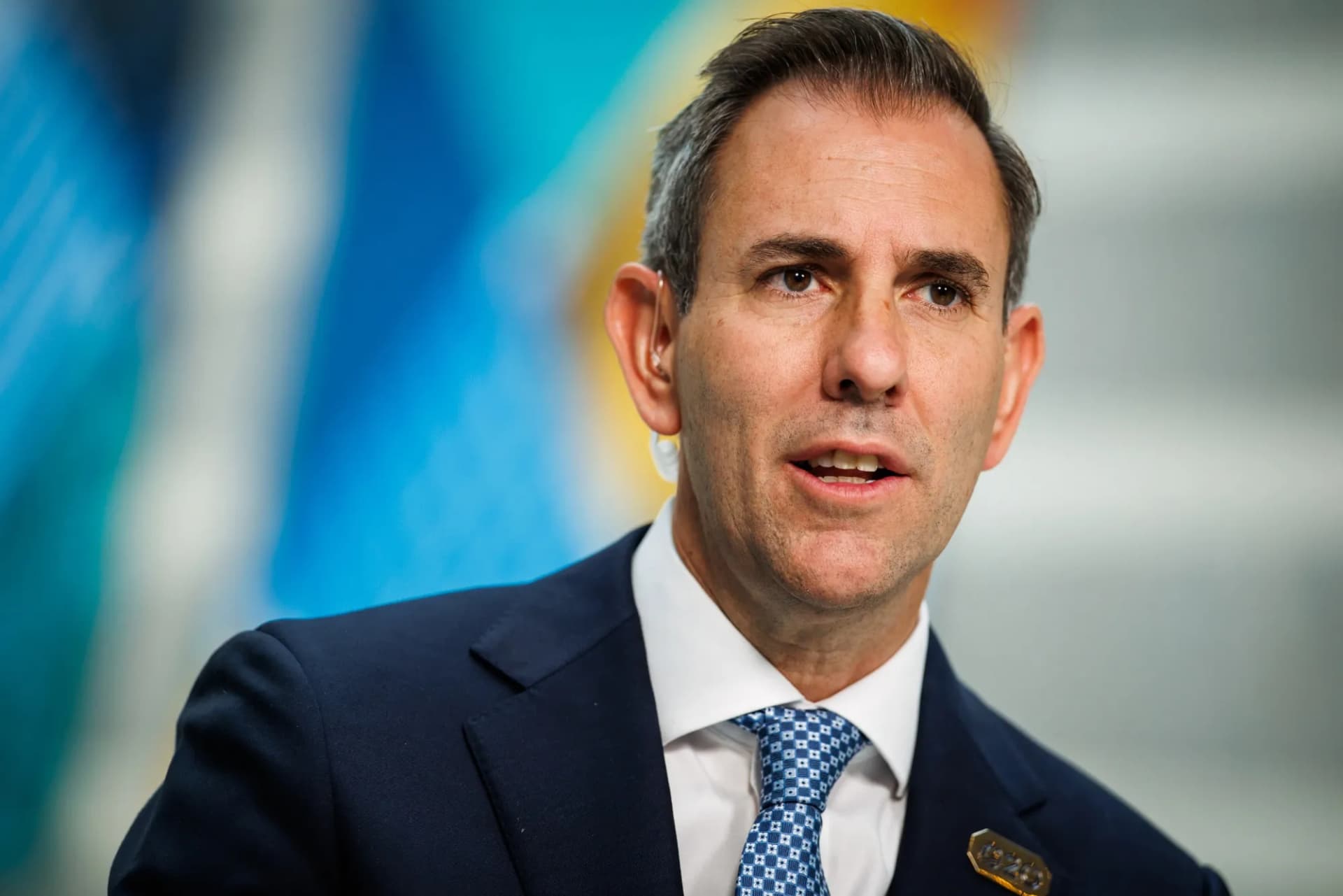
Australia will bring down its 2026-27 federal budget with commodity-fueled revenue gains easing deficit fears, but the harder task is political: giving households relief without adding fuel to inflation.
Treasurer Jim Chalmers is set to deliver the budget on Tuesday, 12 May 2026, at about 7:30 pm AEST, and the government is trying to present a plan that is both “responsible” and “ambitious.” The Reserve Bank of Australia made that balancing act more urgent last week when it lifted the cash rate target to 4.35%, its third increase this year, and said inflation is likely to stay above its 2% to 3% target range for some time. In its May outlook, the central bank assumed the cash rate would rise further to 4.7% by the end of 2026.
That backdrop has put restraint at the center of the budget debate. The deficit is still expected to persist for years, but forecasters at Commonwealth Bank, UBS and Westpac expect red ink to come in smaller than the government feared in December, when the shortfall was put at A$36.8 billion. Stronger commodity prices and higher inflation have lifted revenue, giving Chalmers more room to maneuver while also sharpening scrutiny of any new spending that could complicate the inflation fight.
The likely measures point to the political trade-offs. The budget may include changes to disability welfare, possible housing tax reforms and targeted cost-of-living relief, including a possible extension of the fuel excise cut. That cut is already in force: from 1 April to 30 June 2026, Australia temporarily reduced excise and excise-equivalent customs duty on petrol, diesel and most other fuel products by 60.9%, a move tied to the National Fuel Security Plan announced on 30 March. The Australian Taxation Office says the fuel tax credit changes linked to the excise reduction are now law.
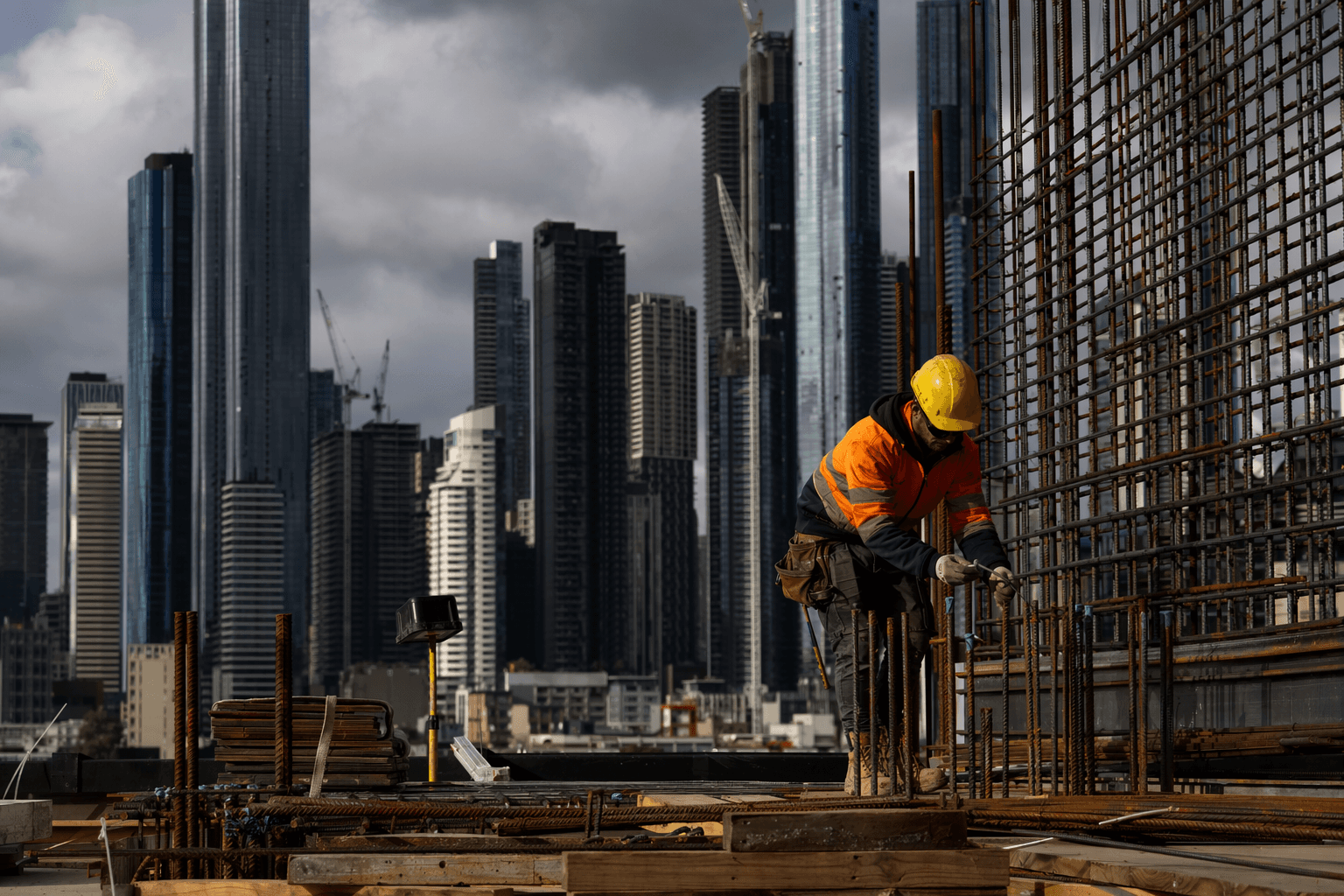
The pressure points are clear. Motorists stand to gain from any extension of fuel relief, while disability recipients and households hit hardest by prices will be watching for targeted help. But any new aid will have to be offset elsewhere if the government wants to keep faith with the Reserve Bank and avoid fresh price pressure.
That is why the budget carries meaning beyond Canberra. Treasury’s 2023 Intergenerational Report projects the economy and budget out to 2062-63, and says National Disability Insurance Scheme payments are the fastest-growing spending category over the next decade, rising from 0.9% of GDP in 2022-23 to 2.1% in 2062-63. ACOSS has argued that higher interest rates will push more people into unemployment and onto poverty-inducing JobSeeker payments, while the Business Council of Australia says a strong budget should protect against shocks and keep debt lower for future generations.
For Labor, the test is whether it can show discipline after years of cost-of-living strain and still claim to govern for reform. For other U.S. allies wrestling with inflation, tight rates and voter fatigue, Australia is becoming a case study in how far restraint can go before relief politics takes over.
This article was produced by Prism’s automated news system from verified source data, official records, and press releases, then run through automated quality and moderation checks before publishing. The system is built and supervised by the people who set the standards it runs under. Read our full AI policy.
Did this article answer your question?