Oil Prices Jump as U.S.-Iran Peace Talks Collapse, Markets Retreat
Crude jumped after U.S.-Iran peace talks collapsed, with Brent topping $105 as Dow futures slid and traders braced for higher fuel costs.

Oil prices surged and stock futures slipped as the collapse of U.S.-Iran peace talks rattled traders and revived fears of a wider supply shock through the Strait of Hormuz. Brent crude rose $4.04, or 3.99%, to $105.33 a barrel, while U.S. West Texas Intermediate climbed $3.88, or 3.9%, to $102.89. For American households, the move pointed to faster pressure on gasoline prices, freight costs and, if it lasts, broader inflation.
The jump came after Donald Trump said Iran’s response to a U.S. proposal was “unacceptable,” and the market reacted as if diplomacy had given way to a higher-risk standoff. The Strait of Hormuz remained largely closed, keeping the oil market tight and reinforcing the view that even the threat of disruption can move prices sharply before a single additional barrel is actually lost. ANZ analysts warned that any continued interruption in the waterway could keep prices elevated.
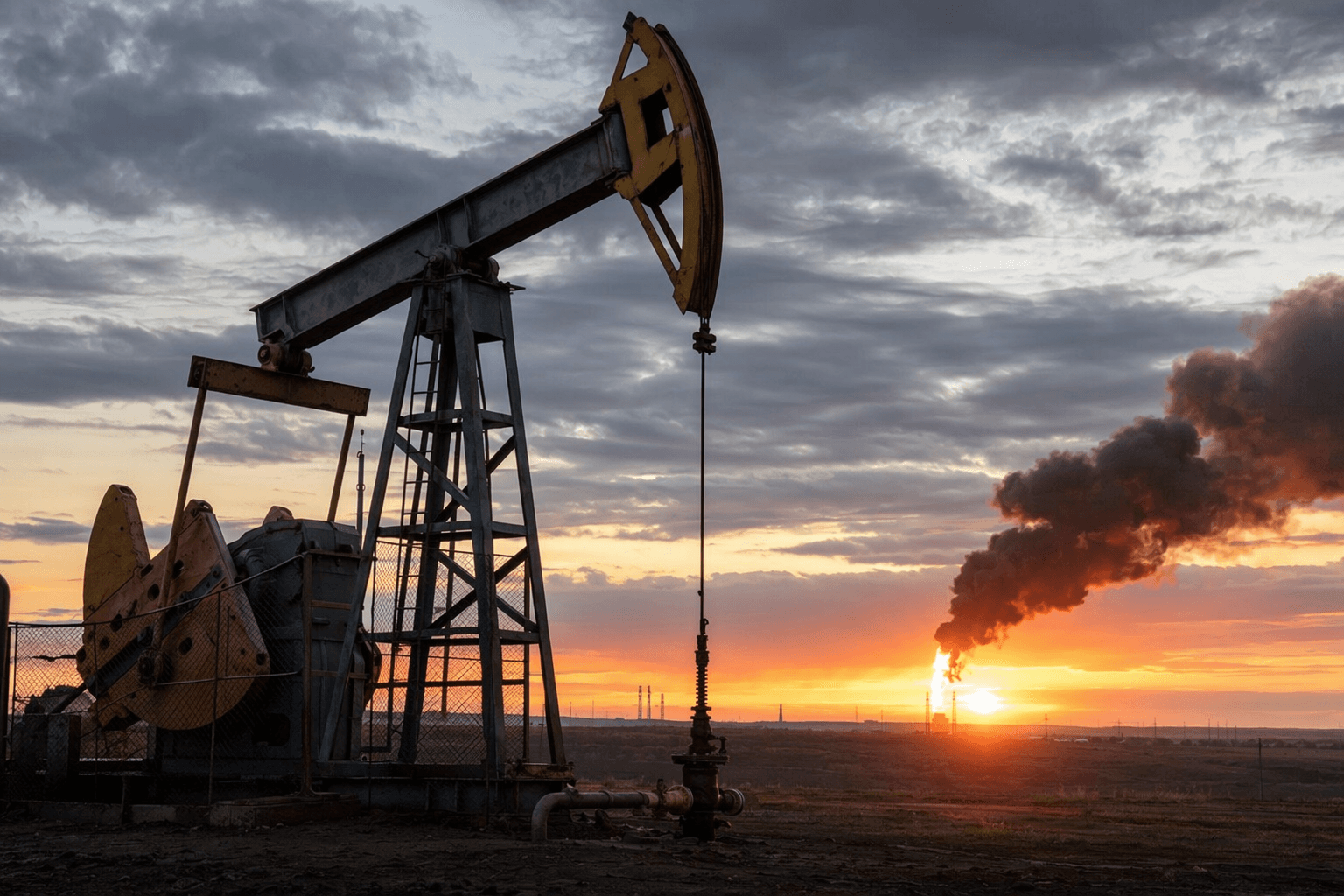
The strain was not limited to crude. Stock futures fell as investors reassessed the chance of a broader regional escalation, with futures tied to the Dow Jones Industrial Average down 81 points. The reaction showed how quickly energy shocks can spill into equities, especially when traders begin to price in the possibility of higher transport costs, thinner corporate margins and slower consumer spending.
At the same time, the physical oil market sent a more cautious signal. Cash cargo prices were easing as buyers backed away, suggesting that refiners and traders were waiting for clearer shipping conditions before locking in supply. That split between headline futures and the real-world cargo market underscored a familiar pattern: when geopolitical risk rises, paper prices can spike immediately even as physical buyers pause.
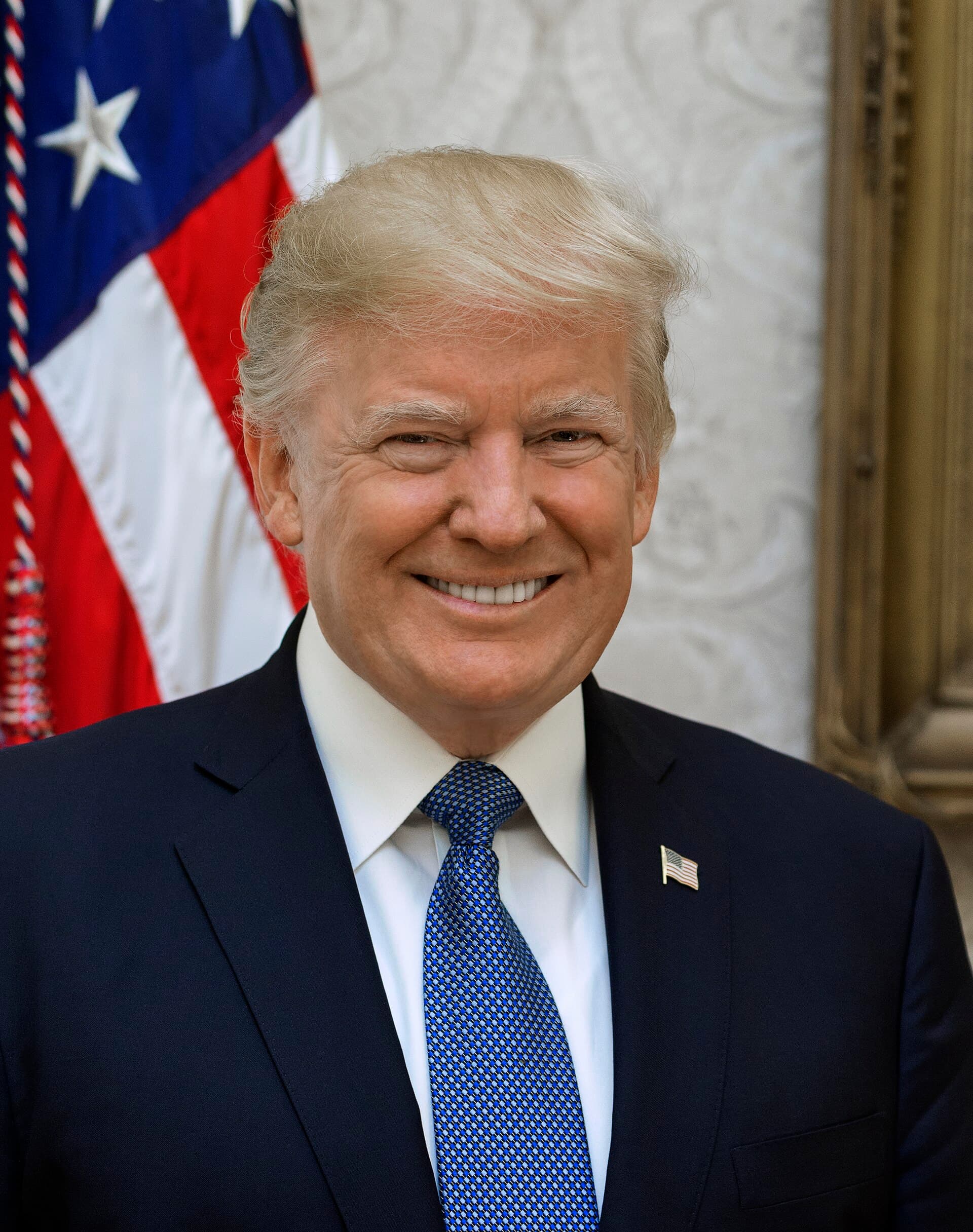
Washington has already moved to harden the shipping response. On May 5, the U.S. Department of State said the United States, Bahrain, Saudi Arabia, the United Arab Emirates, Kuwait and Qatar had drafted a U.N. Security Council resolution to defend freedom of navigation in the Strait of Hormuz. The draft called for Iran to cease attacks, mining and tolling, a sign that U.S. officials are preparing for the possibility that diplomacy fails to reopen the channel on its own.
This article was produced by Prism’s automated news system from verified source data, official records, and press releases, then run through automated quality and moderation checks before publishing. The system is built and supervised by the people who set the standards it runs under. Read our full AI policy.
Did this article answer your question?

