Bank of Korea nominee Shin moves to ease conflict-of-interest concerns
Shin Hyun-song said he has sold much of his foreign-currency assets and listed two Seoul properties for sale as lawmakers probe a potential conflict.
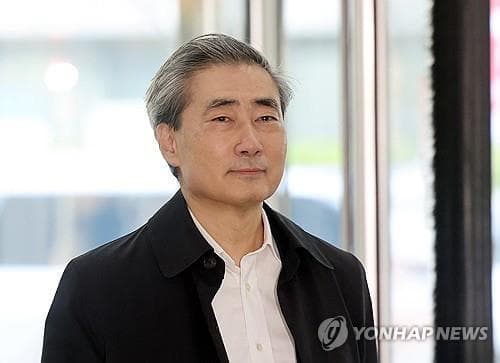
Shin Hyun-song is trying to neutralize the most politically sensitive question around his bid to run the Bank of Korea: whether a central banker with a large overseas-asset portfolio can police the won without a personal conflict.
Ahead of his confirmation hearing, Shin told lawmakers he had already sold a significant portion of his foreign-currency-denominated assets and would continue trimming exposure gradually. He said he “fully understand[s] the concerns” and insisted that “a conflict of interest must never occur,” adding that every decision would be made for the public good.
The scrutiny centers on the scale and composition of his family wealth. Shin and his family disclosed assets worth 8.24 billion won, about $6.1 million, with 4.57 billion won in overseas assets. Coverage showed that 55.5% of the total was tied up in overseas financial assets and real estate, a mix that critics say is hard to square with the Bank of Korea’s role in foreign-exchange policy. Shin has already put two of his three properties up for sale, including an apartment in Seoul’s Gangnam district and an officetel in central Seoul. His spouse separately owns an apartment in Illinois.
The controversy has sharpened because Shin is not a conventional domestic-policy bureaucrat. President Lee Jae Myung nominated him on March 22 while he was still at the Bank for International Settlements, and Shin stepped down the next day from his post leading the BIS Monetary and Economic Department. The National Assembly’s Finance, Economy, Planning and Budget Committee is scheduled to hold his hearing on April 15, just five days before incumbent governor Rhee Chang-yong’s term ends on April 20.
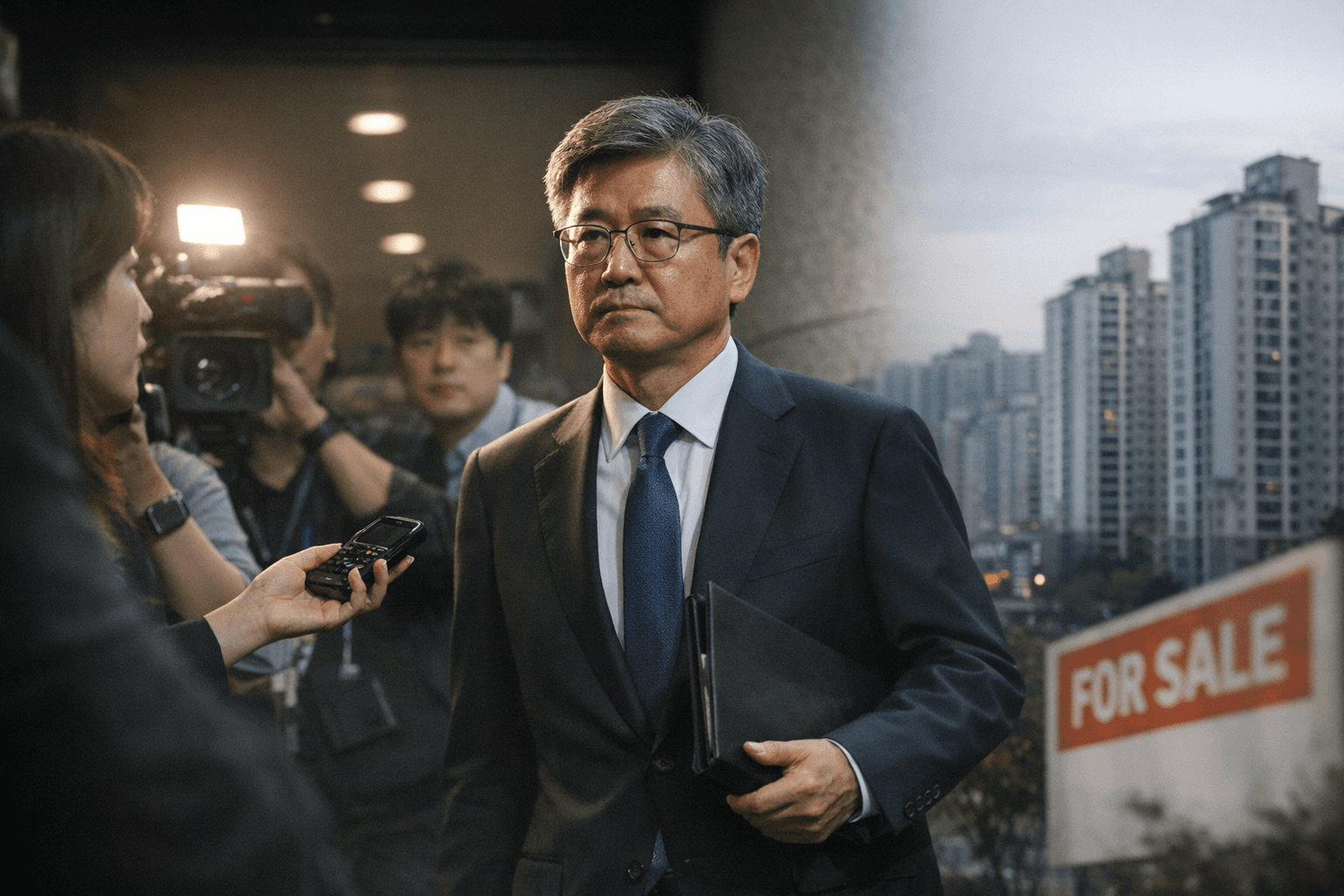
The nomination has also become a test of how South Korea evaluates central-bank leadership at a delicate moment for the currency. The won has been under pressure from heavy overseas investing by Korean residents, large equity sell-offs by foreign investors after recent gains, and broader global uncertainty. Shin said on March 31 that there were no major concerns about the won’s level because dollar liquidity remained ample, but he later said on April 13 that the Bank of Korea would need to respond properly if the currency weakened excessively.
Shin also pushed back on questions about a Korea equity ETF he bought shortly before his nomination, saying it was simply part of portfolio management because Korean stocks had been outperforming global peers. That explanation has done little to quiet the larger debate. His confirmation fight now sits at the intersection of personal asset scrutiny, exchange-rate volatility and the wider question of whether South Korea’s vetting norms are strong enough for a central banker expected to guard financial stability first and foremost.
This article was produced by Prism’s automated news system from verified source data, official records, and press releases, then run through automated quality and moderation checks before publishing. The system is built and supervised by the people who set the standards it runs under. Read our full AI policy.
Did this article answer your question?

