Banned hare coursing linked to violence, intimidation across rural UK
Police have logged nearly 9,000 hare coursing reports as Cambridgeshire farmers face convoy raids, threats and damage worth thousands.
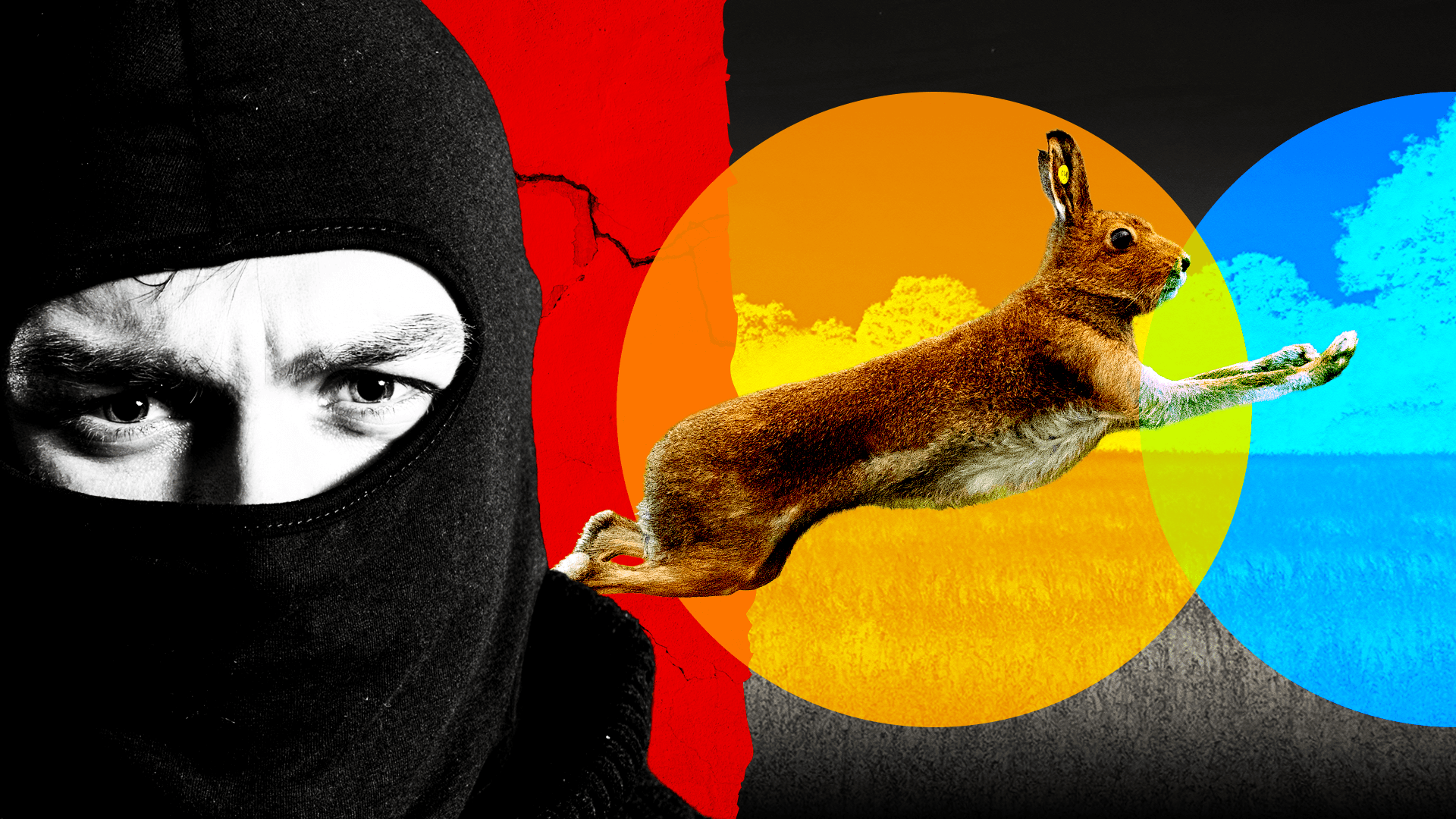
Police have received nearly 9,000 reports of illegal hare coursing, even though the practice has been banned across the UK since 2005.
In Cambridgeshire, a January convoy of about 25 speeding cars, driven by men in balaclavas, tore through farmland. Police later charged 25 people in connection with hare coursing and violent disorder, including a 13-year-old boy. Five more arrests were made, including a 25-year-old man detained at home in Melton Mowbray, Leicestershire.
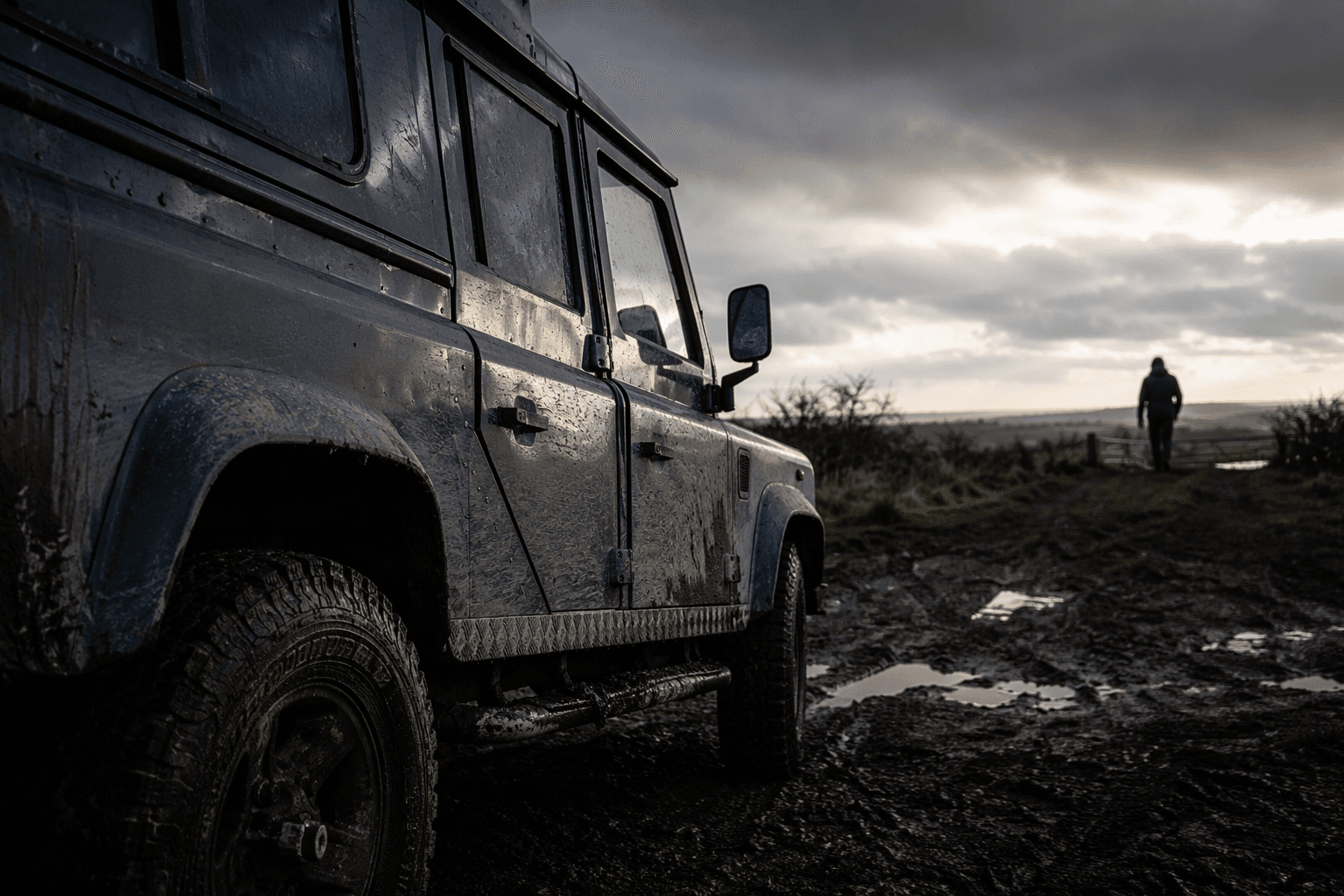
Dozens of 4x4s linked to hare coursing drove dangerously through the Fens, causing thousands of pounds of damage. Near Graveley, close to St Neots, four men were detained after a chase through fields with help from a helicopter. In Balsham, near Linton, officers counted up to 10 men fleeing from one vehicle, and several dogs were later recovered and rehomed.
Maurice Jones, a Shropshire farmer, said he was seeing hare coursing on his land every week and called it “despicable”. In Essex, Matthew Register said hare coursers had chased him with machetes, locked him in barns and caused £30,000 of damage since July. He said he had reported 198 incidents to Essex Police.
Coursing events are streamed live on social media, with bets placed on which dog will catch a hare. The activity is concentrated in flat counties where dogs can see prey more easily, especially Lincolnshire, Cambridgeshire, Norfolk and Suffolk.
Lincolnshire Police has made seizing dogs and vehicles part of its annual clampdown, a policy Deputy Chief Constable Craig Naylor said had cut incidents by 30% compared with 2017. The force has also taken DNA from seized dogs to help prove they were used illegally and has used dispersal orders to push suspected coursers out of the county. Warwickshire Police dealt with 28 incidents over two months and seized four dogs.
Activity typically rises after crops are harvested and runs into spring, when open fields give crews room to move. Northern Ireland imposed a permanent ban that took effect on 17 August 2011.
This article was produced by Prism’s automated news system from verified source data, official records, and press releases, then run through automated quality and moderation checks before publishing. The system is built and supervised by the people who set the standards it runs under. Read our full AI policy.
Did this article answer your question?