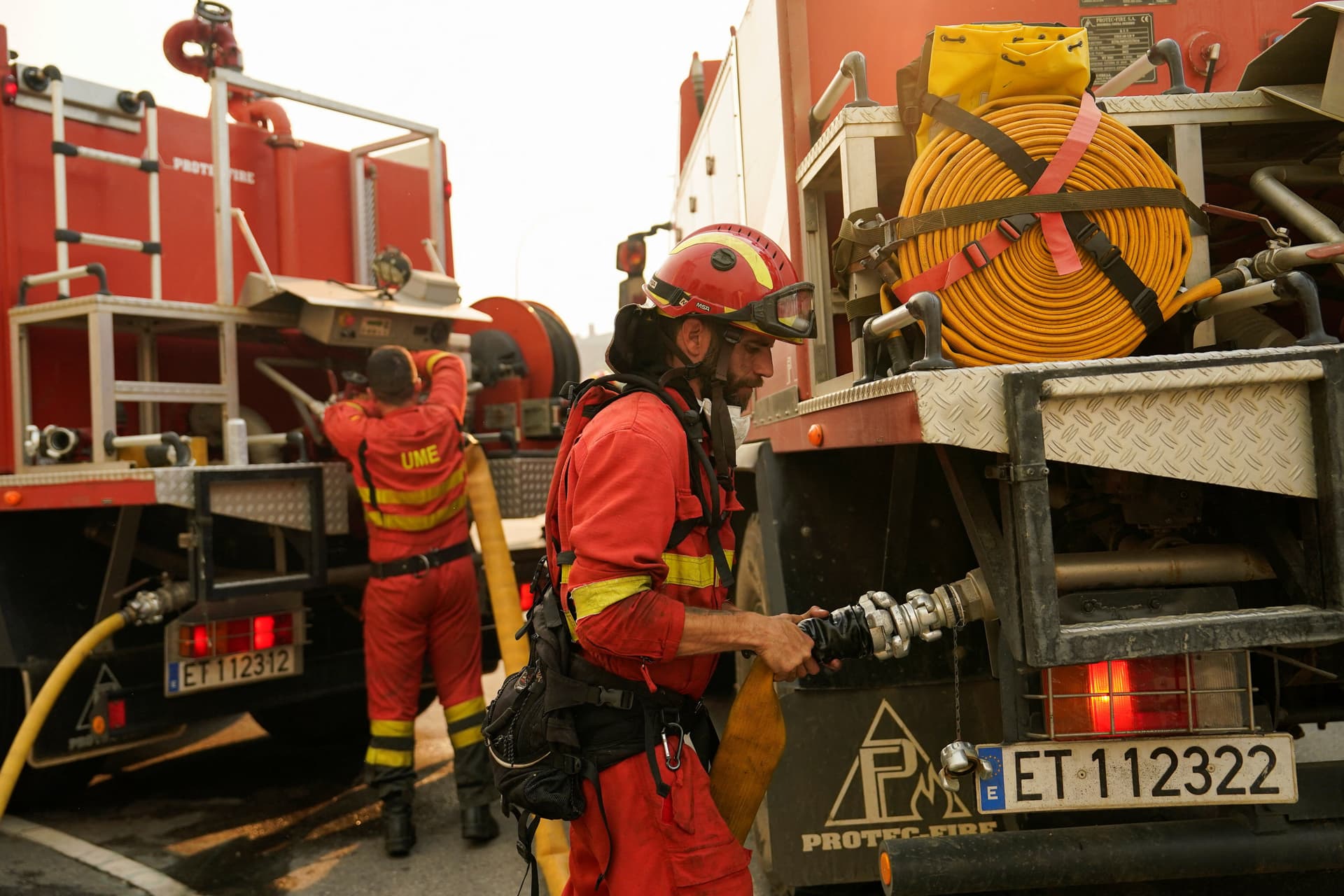
Europe battles deadly wildfires as heatwave drives record temperatures
Europe’s heatwave pushed London to 34.7C, ignited mass evacuations in Greece and France, and sharpened backlash over water bosses’ £1.1m pay rises.
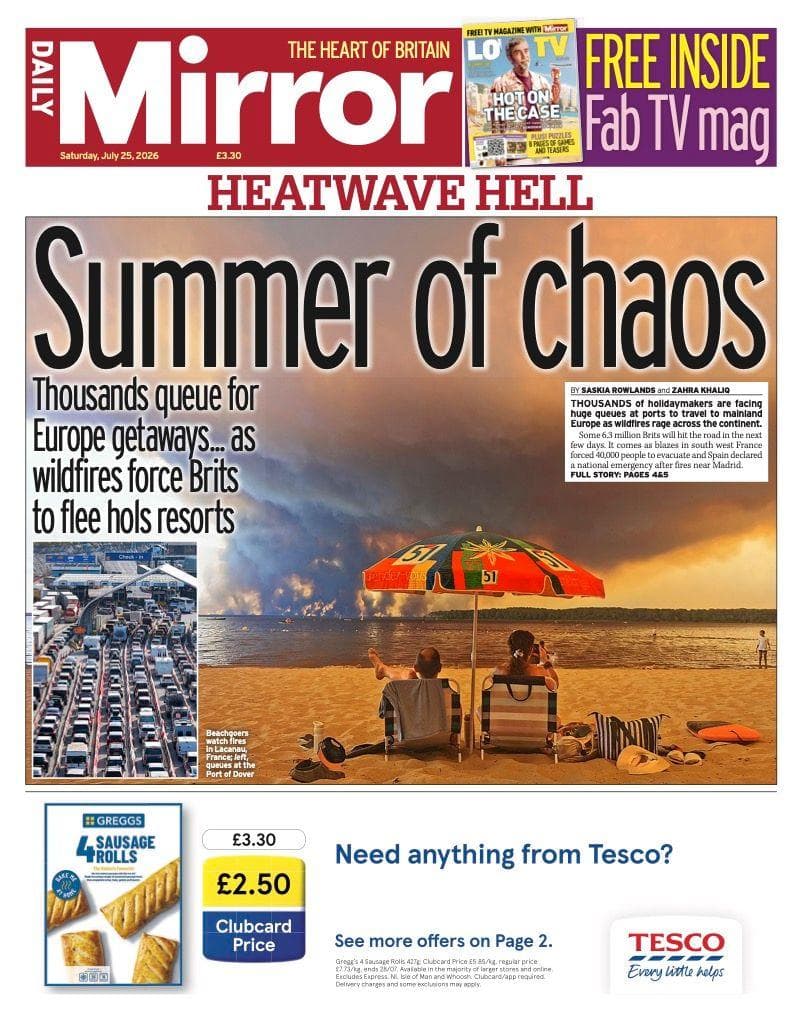
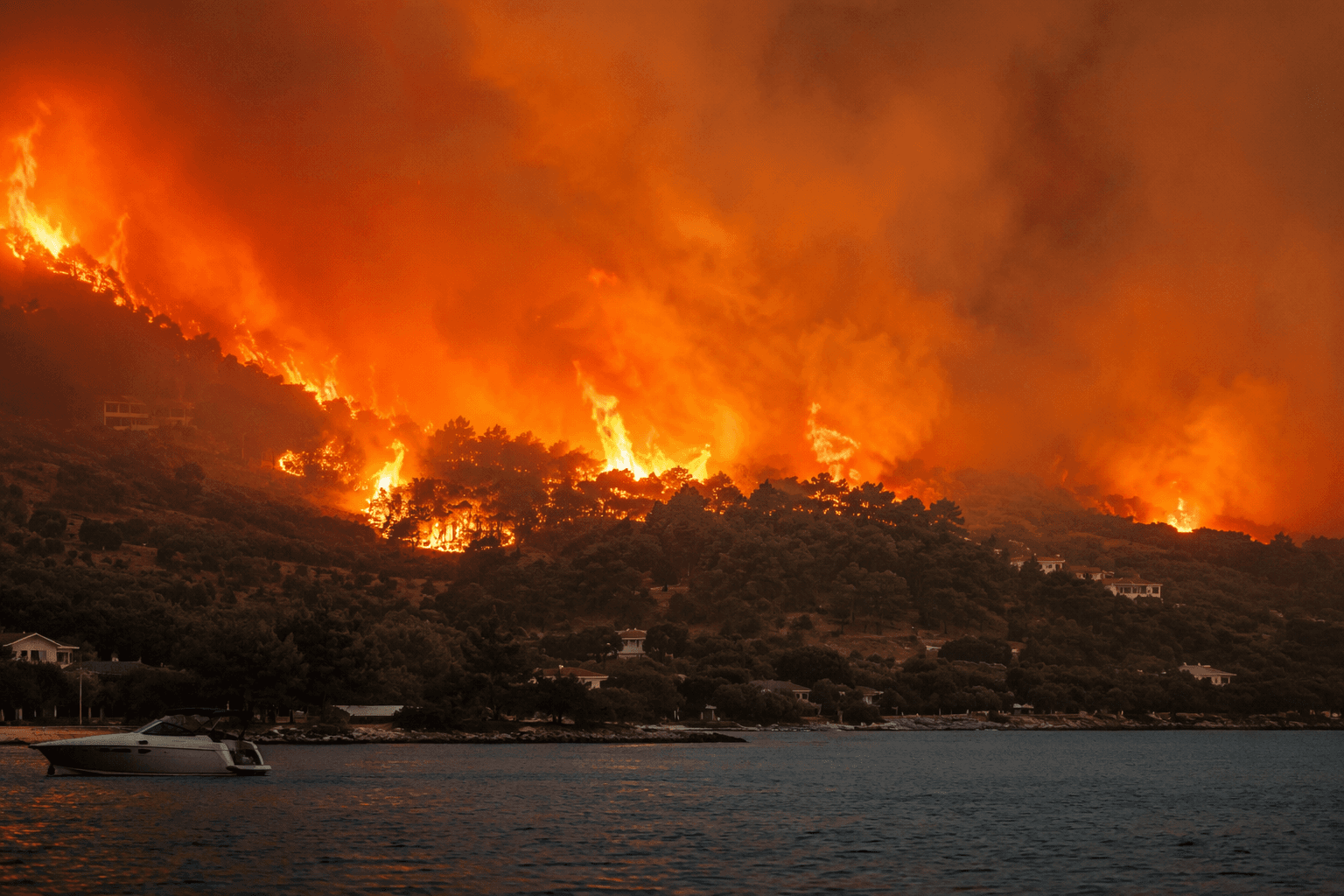
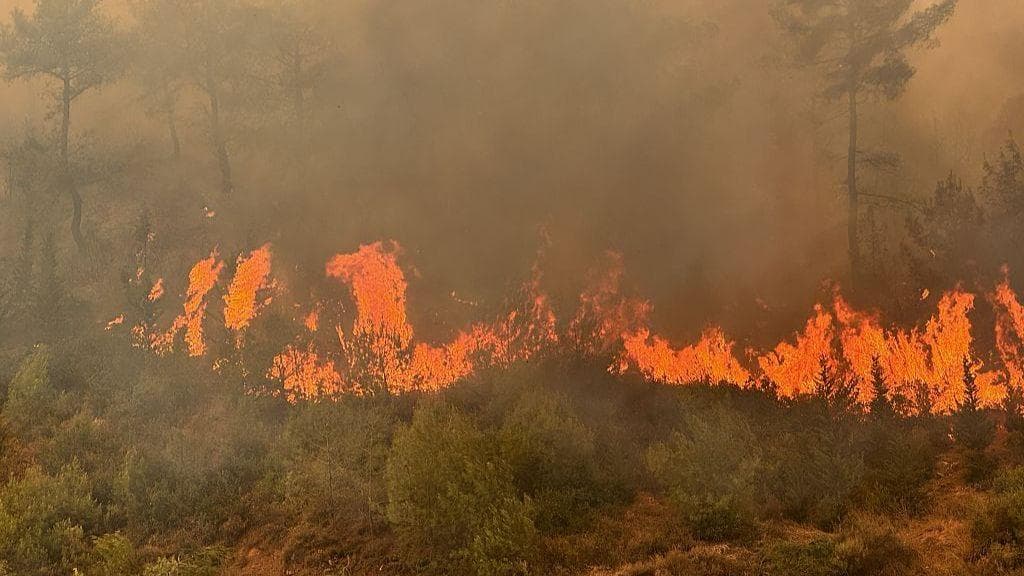
London reached 34.7C as wildfires swept across Greece, France and Spain, with the heatwave pushing both England and Spain to their hottest June on record. In Greece, more than 152 new fires broke out in 24 hours and about 4,850 firefighters were deployed as thousands of people were moved out of danger.
France faced its own emergency, with around 12,000 people evacuated from the south-west after fires near Bordeaux airport and another 10,000 cleared from southern France. Health and fire warnings were issued across much of the continent as temperatures climbed above 40C in parts of France, Spain, Italy, Greece, Portugal and Turkey.
The most severe loss of life came in southern Spain, where a wildfire killed at least 12 people and left 23 missing. Four of the victims may have been British, deepening concern in a country already under repeated heat alerts.
The crisis has revived memories of the last time Britain crossed the 40C threshold. The UK first recorded a temperature above 40C on 19 July 2022, when Coningsby in Lincolnshire reached 40.3C. BBC Weather later said summer 2025 was officially the hottest on record for the UK, with a mean temperature of 16.10C, 1.51C above the long-term average. The latest heat has made clear that record-breaking summers are no longer an outlier but part of a widening pattern of strain.
That pressure is feeding a different kind of backlash in Britain, this time over how essential services are managed. Water chiefs’ pay rises averaged £1.1m despite a ban on bonuses and anger over pollution, a combination that has put executive remuneration squarely into the public debate. Calls have grown for an end to Southern Water-style £700,000 pay rises for polluting bosses, as scrutiny intensifies over whether water companies are being run for resilience or reward.
The political link is hard to miss. As fires, evacuations and record temperatures expose how vulnerable Europe has become to extreme weather, water infrastructure and utility governance are facing the same test. The question now reaching ministers, regulators and company boards is whether basic systems are being strengthened fast enough for a hotter continent.
This article was produced by Prism’s automated news system from verified source data, official records, and press releases, then run through automated quality and moderation checks before publishing. The system is built and supervised by the people who set the standards it runs under. Read our full AI policy.
Did this article answer your question?